




Red Dead Redemption 2 — Open World Spotlight

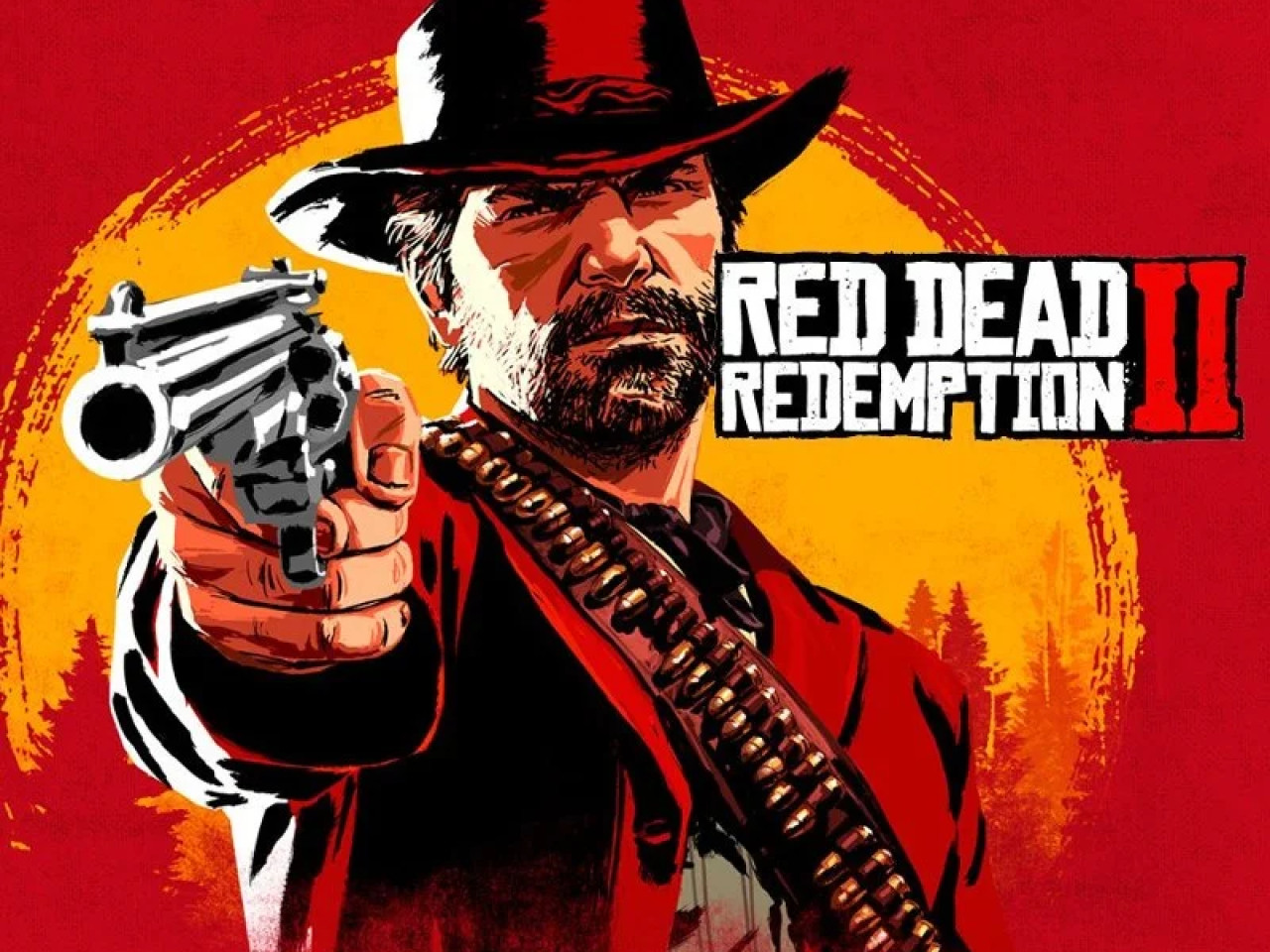
Open-world games promise freedom. Red Dead Redemption 2 delivers something rarer: a frontier that feels inhabited when you are not looking. Rockstar’s Western epic still stands apart years after release because its systems — camping, hunting, honor, and unscripted encounters — support a story about loyalty and decline instead of competing with it. Arthur Morgan is not a blank avatar collecting icons; he is a working outlaw whose routine makes every ride between towns feel earned.
This spotlight focuses on why Red Dead Redemption 2 remains one of the strongest narrative sandboxes on PC: deliberate combat, a living countryside, and side stories that reward curiosity without turning the map into busywork.
A Western that treats travel as gameplay
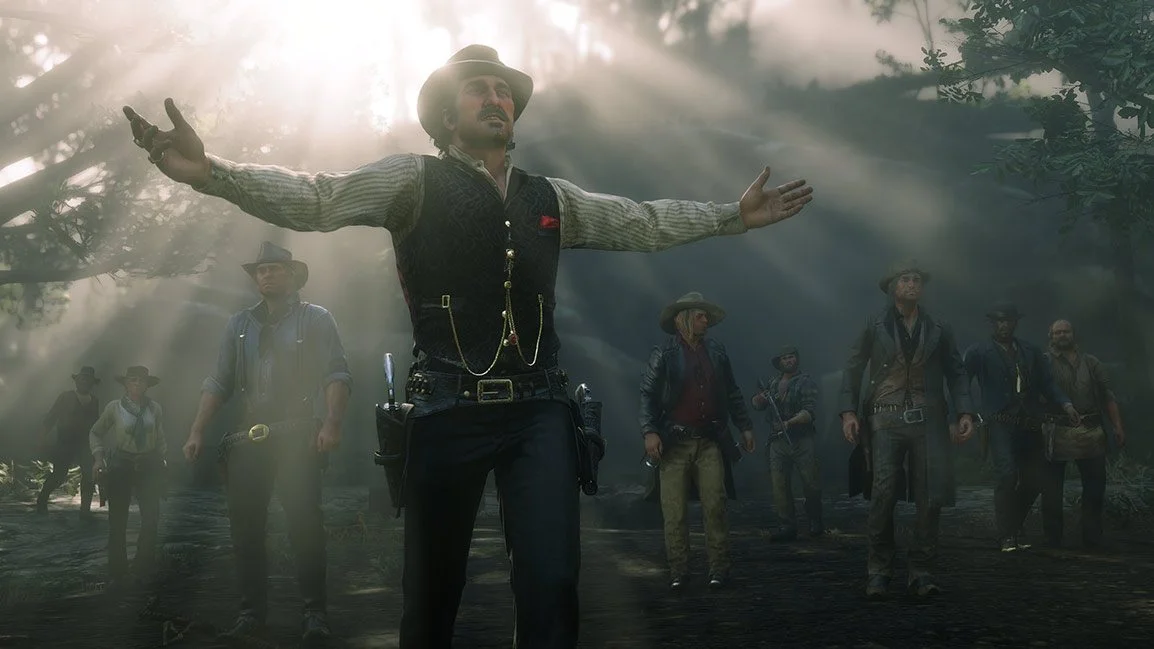
Many open worlds treat the journey as loading time with scenery. Red Dead Redemption 2 slows you down on purpose. Horse bonding, weapon cleaning, and camp upkeep sound like chores until they click as role-playing tools. You remember trails because you rode them half-awake after a botched robbery, not because a waypoint painted the shortest line.
Weather and wildlife reinforce that pace. A thunderstorm can scatter prey. A chance meeting on a ridge can become a rescue, a robbery, or a conversation that never appears in a mission log. The game trusts players to wander, which is why returning to Red Dead Redemption 2 after faster modern releases still feels refreshing.
If you want another Rockstar sandbox with a different tempo and satire, Grand Theft Auto V remains the urban counterpart — louder streets, sharper comedy, same obsession with place.
Combat that punishes impatience
Gunfights in Red Dead Redemption 2 are readable rather than chaotic. Dead Eye lets you mark targets with cinematic clarity, but ammo types, cover angles, and enemy numbers still matter. Charging a fortified homestead like an arcade shooter usually ends with Arthur face-down in the mud. The better approach is positioning, tonics, and knowing when to flee.
Melee and lasso options keep encounters flexible. Bounty hunters and rival gangs push back if your honor and notoriety swing too far. None of this turns the game into a hardcore sim, but it does ask for more thought than most story-driven action titles from the same era.
Story weight without abandoning the sandbox
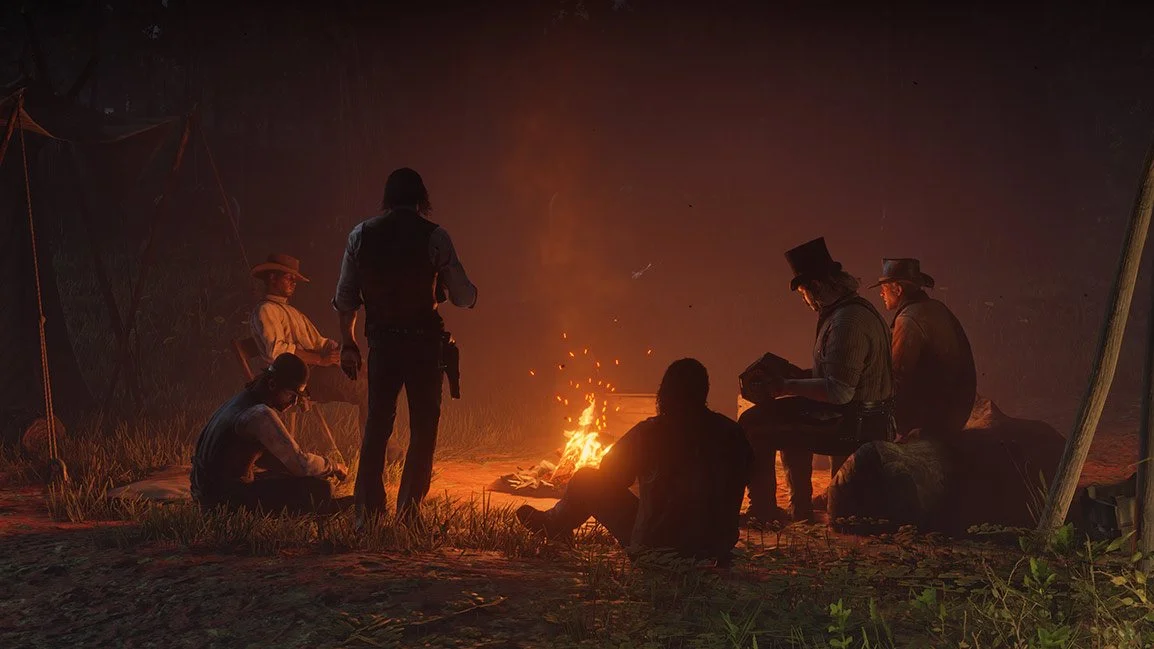
The Van der Linde gang’s collapse gives Red Dead Redemption 2 its spine. Chapters move the camp across regions, and each relocation changes which side content feels natural. Stranger missions often hit harder than main quests because they are brief, specific, and morally messy. You can play Arthur as a reluctant romantic or a colder enforcer; the writing notices either way.
That narrative craft sits closer to long-form RPG storytelling than to pure action adventures. Fans of character-driven epics who loved the moral texture of The Witcher 3: Wild Hunt will recognize the same patience with side characters — even though the systems could not be more different.
PC presentation and why it still looks intentional
On PC, Red Dead Redemption 2’s lighting, foliage, and draw distances still sell the fantasy of an untamed America. First-person mode offers an alternate way to read interiors and wildlife, while third-person remains the stronger default for horseback gunplay. Mod support and graphics options help, but the base presentation already communicates craft more than spectacle for its own sake.
Players chasing dense modern worlds sometimes bounce between Red Dead Redemption 2 and neon RPGs like Cyberpunk 2077. The comparison is useful: one sells mythic wilderness and ritual, the other sells corporate dystopia and buildcrafting. Both reward slow exploration more than checklist hunting.
Who should play it now
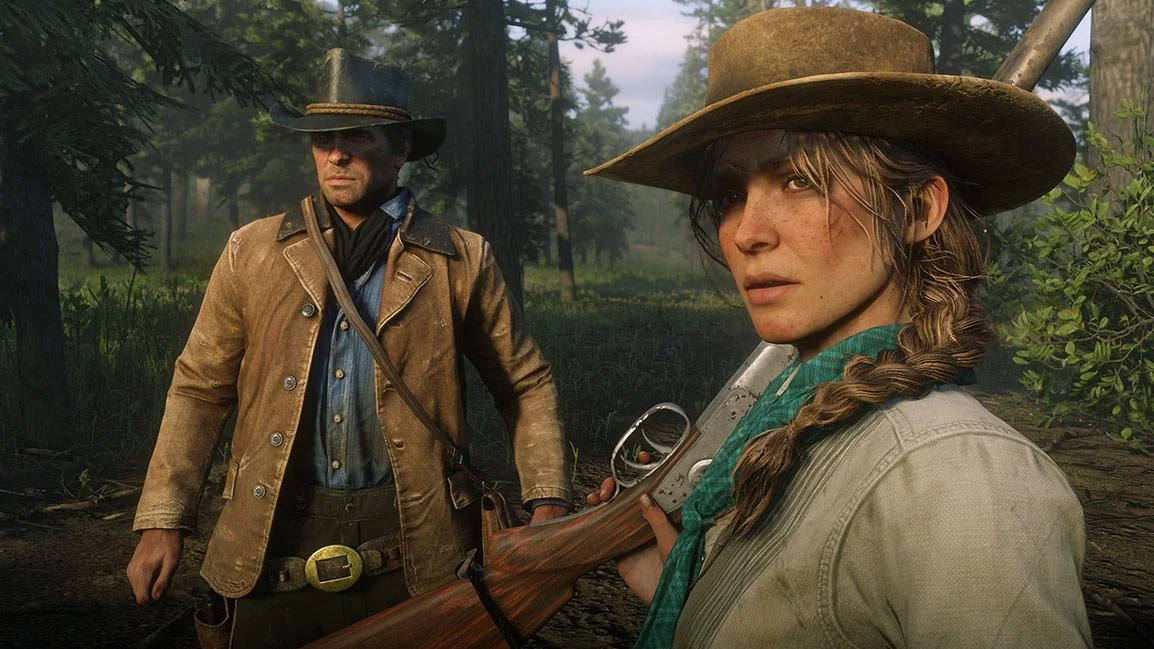
Choose Red Dead Redemption 2 if you want a long single-player campaign with atmosphere first and mission efficiency second. Skip it — or at least temper expectations — if you need constant objective pings, short session design, or competitive multiplayer as the main course. Online modes exist, but the lasting reputation belongs to Arthur’s story and the countryside around him.
For a tougher, more combat-forward open world after you finish the epilogue, Elden Ring scratches a different itch: freer structure, harsher fights, less cinematic hand-holding. If you prefer quiet traversal and odd encounters over boss gauntlets, Death Stranding is another deliberate, landscape-driven alternative.
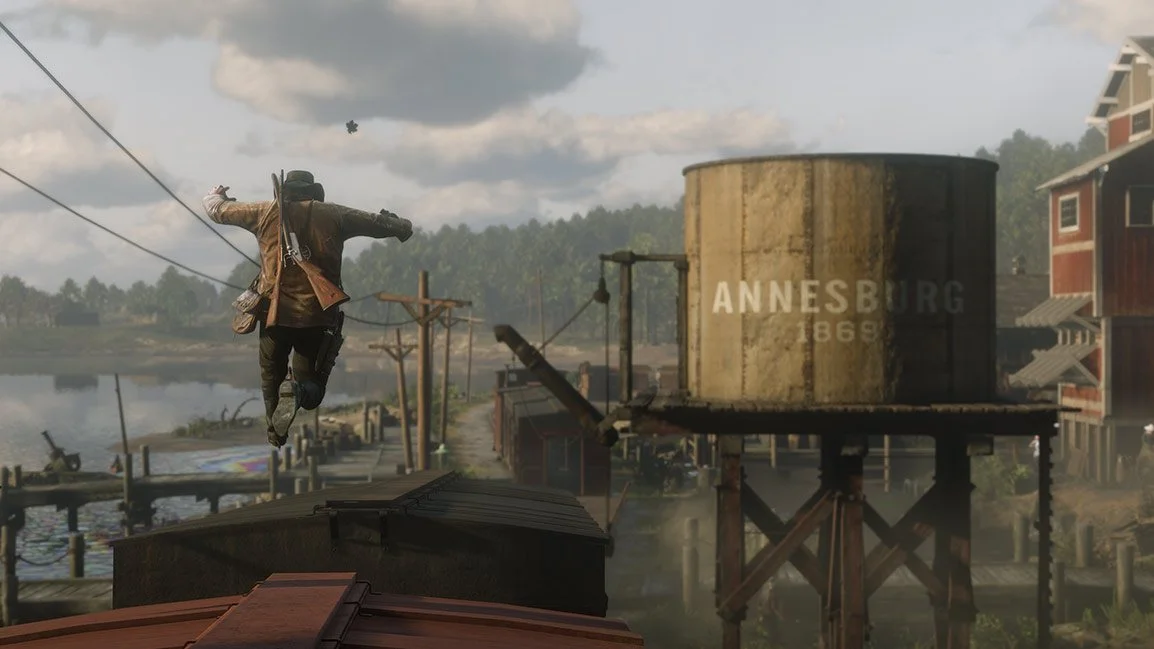
Red Dead Redemption 2 remains a benchmark for what an open-world story can feel like when systems serve character instead of drowning it. If that Western pace sounds like your next long campaign, the PC edition of Red Dead Redemption 2 is the version to judge — and Urazon lists it alongside the related titles above when you are ready to start the ride.