




Cyberpunk 2077 — Night City Spotlight

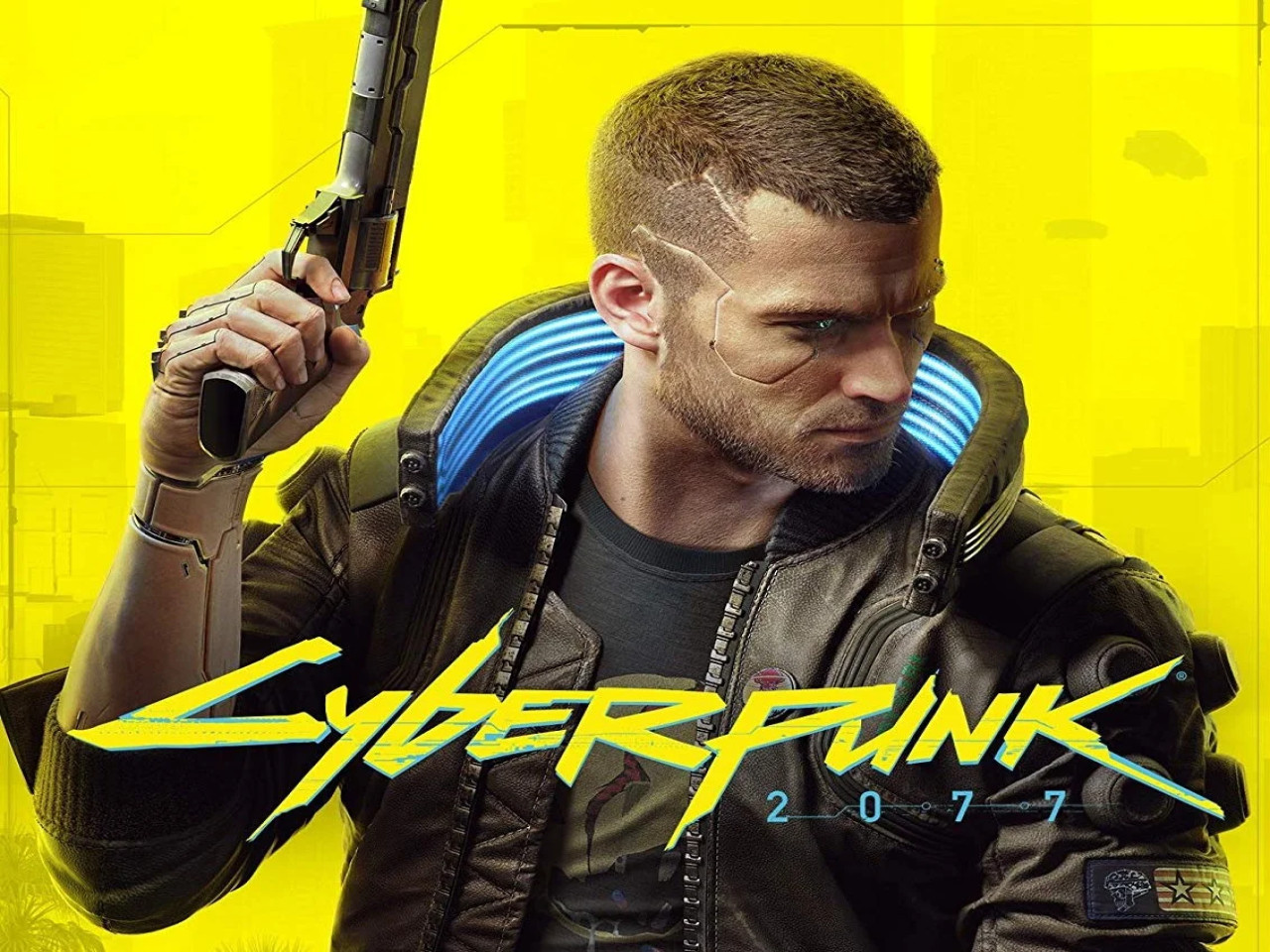
Night City does not introduce itself politely. Within minutes of starting Cyberpunk 2077, you are racing through neon-soaked streets, dodging corporate drones, and meeting fixers who treat human lives like line items on a spreadsheet. CD Projekt Red built an open-world RPG around a simple fantasy: what happens when body modification, corporate power, and street-level crime collide in a city that never sleeps? Years of patches and the Phantom Liberty expansion later, that question still drives one of the most distinctive urban RPGs on PC.
This editorial looks at why Cyberpunk 2077 remains worth playing today — not as a cautionary tale about launch-day hype, but as a mature sandbox where build variety, side stories, and first-person gunplay finally match the ambition of the setting. If you have been waiting for the right moment to visit Night City, the current version is the one worth judging.
First-person RPG combat with real build depth
Cyberpunk 2077 plays from V's eyes, and the combat loop rewards how you invest skill points. Netrunners breach security networks before stepping through the front door. Tech specialists lean on smart weapons that curve around cover. Solo builds treat every corridor like a shooting gallery with mantis blades or shotguns. The game never forces a single optimal path — it offers three attribute trees that change how you solve the same mission.
That flexibility matters in a genre where open-world RPGs often default to cover shooting with occasional stealth. Cyberpunk 2077 lets you lean into hacking mini-games, vehicle chases, or blunt-force trauma depending on your mood. Quickhacks can disable cyberware, trigger enemy weapons, or wipe security cameras without firing a shot. When you do fight, headshot damage, crit builds, and weapon mods stack in ways that encourage experimentation across multiple playthroughs.
Night City as a character, not a backdrop
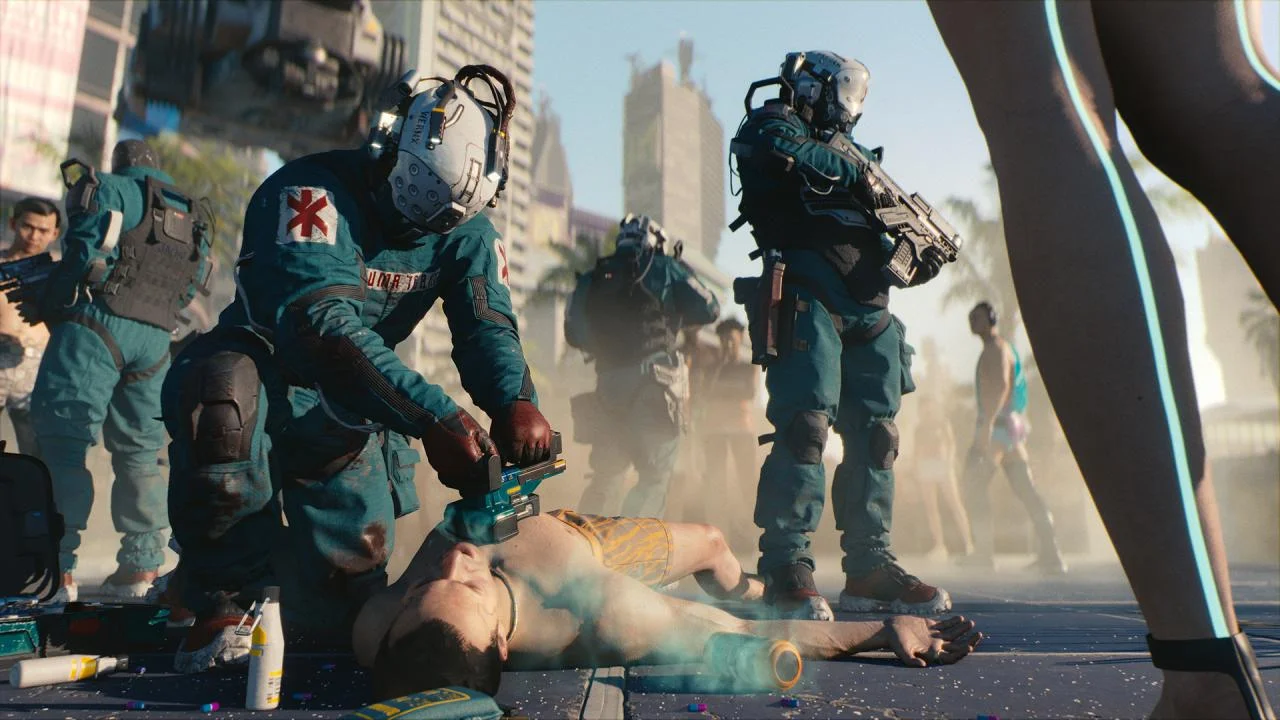
The districts of Night City feel deliberately uneven — Watson's cramped markets sit far from Corpo Plaza's sterile towers and Pacifica's flooded ruins. Side gigs pop up through fixer contacts, text messages, and overheard conversations rather than a map cluttered with identical icons. Some jobs are tragic one-offs; others spiral into multi-step investigations that reveal how corporations exploit the poor while selling immortality to the rich.
Traversal keeps the city readable despite its scale. V's double jump and dash cyberware turn vertical exploration into a habit, and motorcycles handle better than most open-world vehicles from the same era. You learn alley shortcuts, rooftop paths, and fast-travel points that make repeat visits faster without removing the sense that Night City is a place you inhabit rather than a checklist you clear.
Players who enjoy dense urban worlds often compare Night City to the atmosphere of Red Dead Redemption 2 — different genre, different century, but a similar commitment to making the environment tell stories without interrupting the player every thirty seconds.
Story, choices, and Phantom Liberty's sharper focus
The main campaign follows V and Johnny Silverhand — Keanu Reeves' digital ghost riding shotgun in your head — through a heist that goes wrong in ways both personal and existential. Lifepath selection at the start (Nomad, Street Kid, Corpo) changes early dialogue and access points, while later decisions determine which allies survive and how V's fate resolves. None of it reaches the branching complexity of a pure CRPG, but the emotional through-line lands because the game invests in specific characters rather than abstract morality meters.
Phantom Liberty adds a spy-thriller arc set in Dogtown, a walled district ruled by a charismatic militia leader. The expansion tightens pacing, improves police response in that zone, and introduces a new Relic skill tree that refreshes endgame builds. If you bounced off the base game early, the expansion is the closest thing to a structured reintroduction — though the core city still holds dozens of hours on its own.
Who should play it — and what to expect
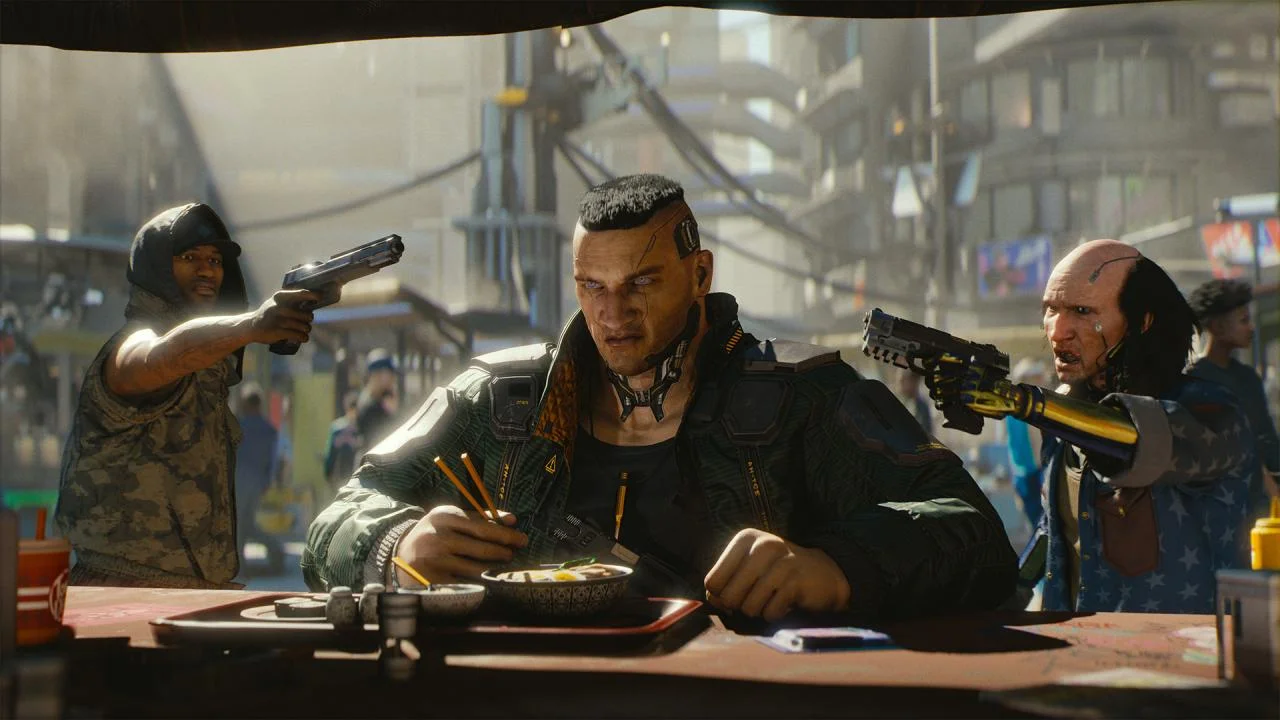
Cyberpunk 2077 suits players who want a single-player RPG with style, attitude, and combat that responds to character building. It is not a live-service sandbox, and it is not a cozy farming sim between shootouts. Mature themes, violence, and corporate cynicism are baked into the tone. If you prefer slower fantasy epics, The Witcher 3: Wild Hunt shares the same studio DNA with a medieval pace; if you want challenging action in open spaces, Elden Ring scratches a different itch entirely.
Performance on modern PC hardware is stable compared to the notorious launch period. Ray tracing still demands strong GPUs, but balanced presets run well on mid-range cards. Mod support through the official REDmod tools and community patches extends longevity for players who want custom quests or visual overhauls. Console versions received similar patch support, though this editorial focuses on the PC experience available through GOG activation.
Survival tension in a different future
Not every Night City session needs to be a main-story push. Some players treat Cyberpunk 2077 like a photography tour — capturing rain reflections, neon signage, and street fashion between gigs. Others chase 100% completion of NCPD scanners and cyberpsycho hunts that test build efficiency under pressure. The game supports both moods because its side content is short enough to fit between narrative chapters without feeling like mandatory padding.
If you like urban danger with horror undertones, Dying Light: The Beast offers parkour survival in a collapsing city — less cyberware, more infected streets, but a similar love of vertical movement. Pairing the two in your library covers both neon dystopia and daylight dread without overlapping too much playtime.
Why Night City still belongs in your library
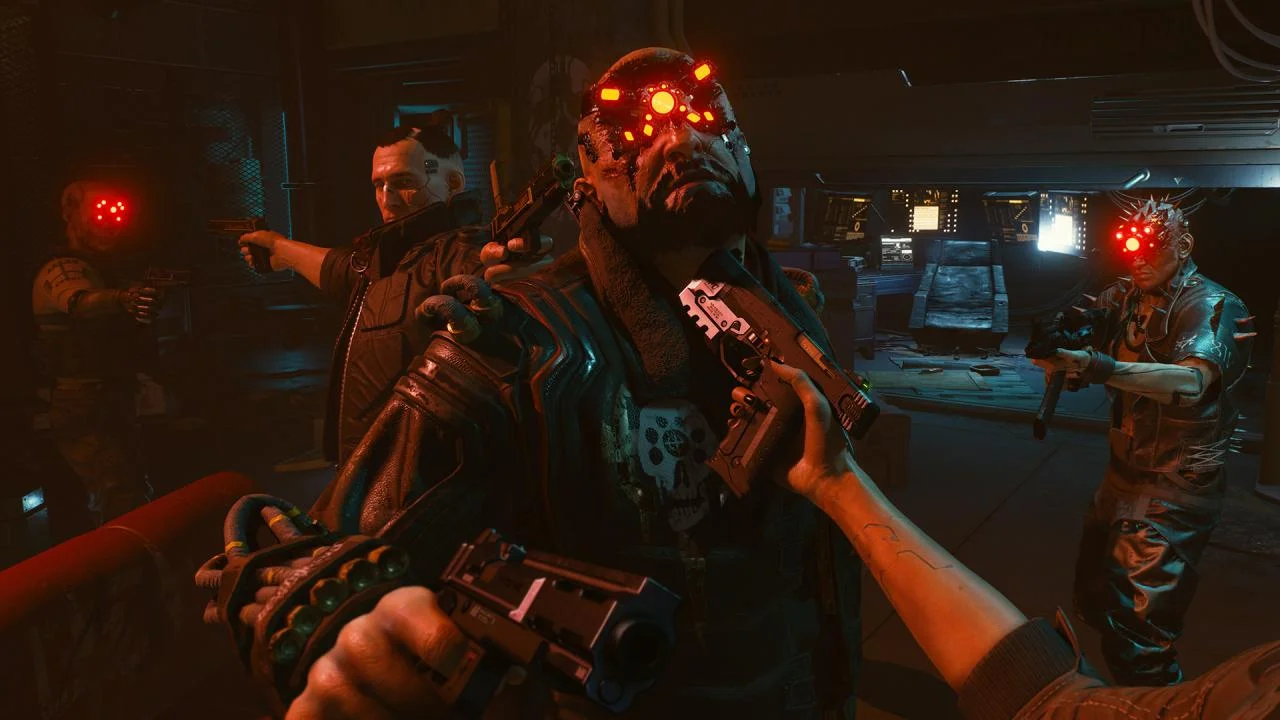
Cyberpunk 2077 earned its second life by finishing the work players expected at launch: stable performance, deeper systems, and story expansions that justify the setting's scale. It remains one of the few RPGs that commits fully to a first-person perspective, a specific aesthetic, and a city that feels hostile, glamorous, and broken in equal measure. For shoppers comparing open-world titles, it stands apart from fantasy epics and post-apocalyptic sandboxes precisely because it wants to be loud, stylish, and uncomfortable.
Tactical players who prefer squad-based clearing between RPG sessions might rotate in Ready or Not for a completely different tone — methodical room entry instead of solo chrome-fueled chaos. Cyberpunk 2077 is best when you want to role-play a mercenary carving out a reputation in a city that would discard you without a headline.
If you want to explore Night City yourself, the PC version of Cyberpunk 2077 is a solid entry point for the current build — install after checkout, choose a lifepath, and let the fixers find you when you are ready.