




Dead Space — Sci-Fi Horror Spotlight

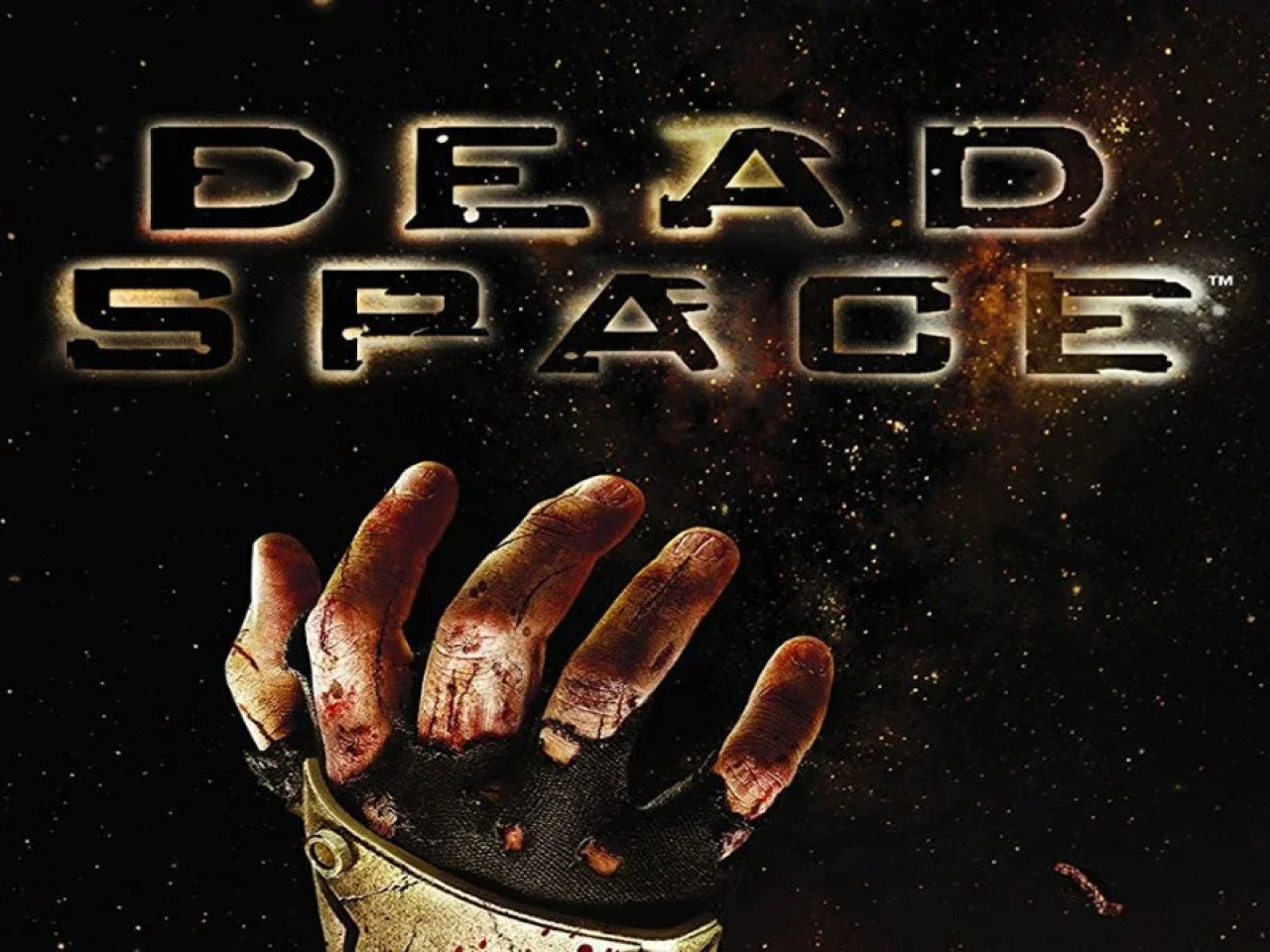
Long before the remake polished the corridors, the original Dead Space turned a routine repair job into one of gaming's most claustrophobic survival stories. You are not a soldier dropped into a war zone — you are Isaac Clarke, an engineer who boards the USG Ishimura to fix communications equipment and discovers a mining ship that has already consumed its crew. That premise still works because the game trusts silence, flickering lights, and the sound of something moving inside the wall beside you.
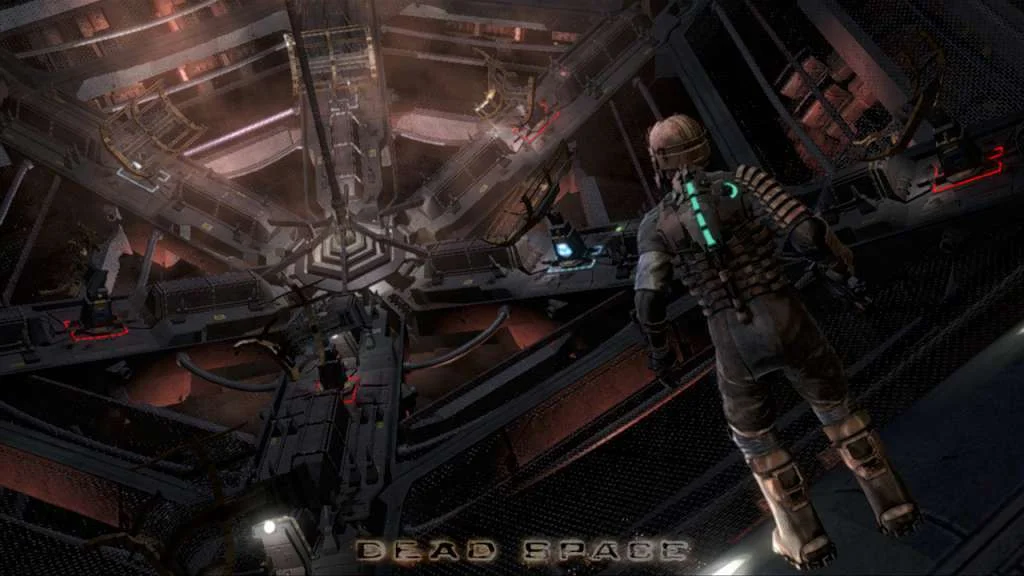
Dead Space arrived in 2008 when horror games were leaning heavily on ammunition dumps and jump scares. Visceral Games took the opposite route. Ammo is scarce, health is scarcer, and the necromorphs cannot be stopped with a clean headshot. The Ishimura itself becomes the antagonist — a labyrinth of failing life support, sealed bulkheads, and zero-gravity maintenance shafts where every rotation of the camera might reveal a new angle of attack.
Dismemberment is the entire combat language
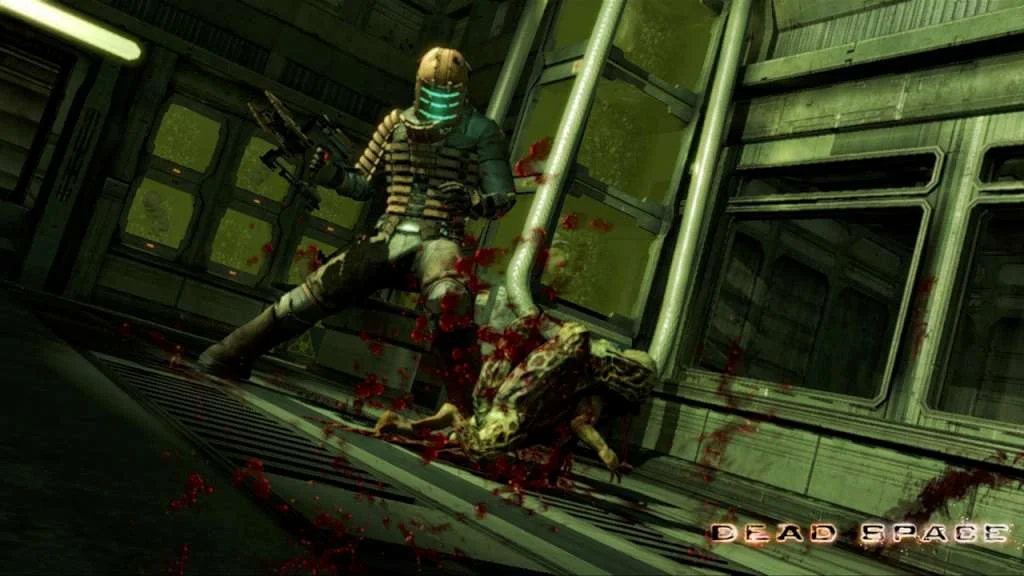
Dead Space built its identity around a simple rule: cut the limbs, not the torso. Necromorphs keep advancing even when you punch holes through their chests, so the Strategic Dismemberment system forces you to read each enemy type before you pull the trigger. Slashers need legs removed to slow their charge. Leapers require arm shots to stop mid-air lunges. Exploders demand distance management that no shotgun blast alone can solve.
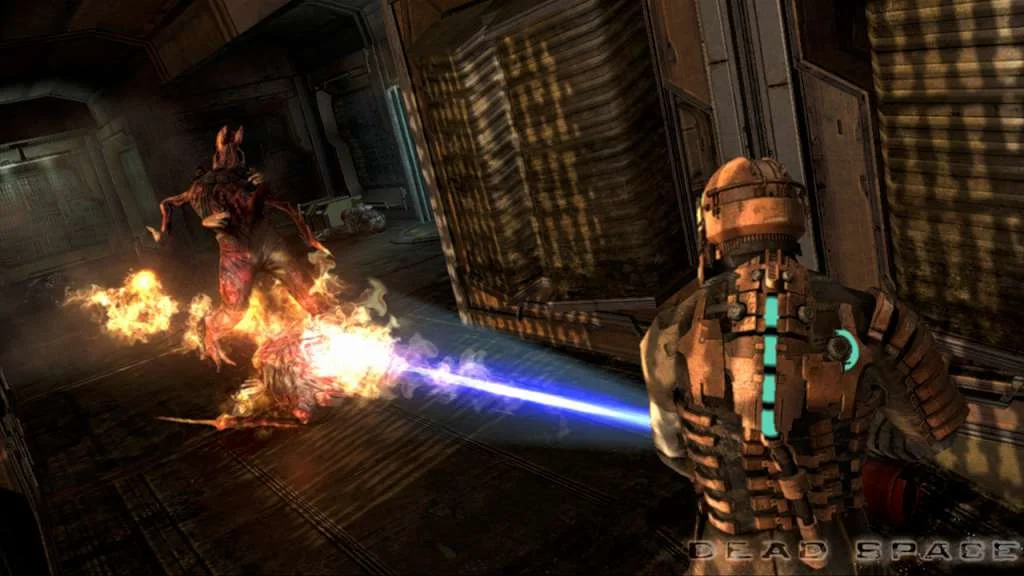
That design choice ripples through every encounter. Panic firing wastes precious rounds in a game where inventory Tetris is part of the tension. The Plasma Cutter — a tool Isaac would carry for maintenance work — becomes your most trusted weapon because its rotating slice can sever joints with precision. Stasis slows targets long enough to plan those cuts, while Kinesis turns debris and enemy projectiles into improvised ammunition. None of it feels like a power fantasy. It feels like an engineer improvising with whatever the ship still has available.
Players who cut their teeth on action-heavy shooters often underestimate how punishing Dead Space can be on higher difficulties. The game rewards calm target selection over reflex speed, which is why it still feels distinct from later horror shooters that restored more traditional gunplay loops.
Zero gravity turns dread into geometry
Some of the Ishimura's most memorable sequences strip away the floor entirely. Zero-gravity sections force you to manage oxygen consumption while necromorphs close from above, below, and behind — directions that standard corridor combat never trains you to watch. Vacuum areas add another layer: one breached visor and the silence of space replaces the ship's groaning metal with your own breathing.
These sequences work because the game changes your spatial awareness without changing the core dismemberment rules. You still need to sever limbs, but now you are doing it while drifting past rotating solar panels or crawling through maintenance tunnels barely wide enough for Isaac's rig. The Ishimura is not a backdrop — it is a level design tool that keeps horror fresh across twelve hours of campaign.
Environmental storytelling on a dying ship
Dead Space rarely stops the action for lengthy cutscenes. Instead, audio logs, blood trails, and corrupted holograms tell the story of what happened before Isaac arrived. The Marker — an alien artifact the Ishimura was secretly transporting — sits at the center of a mystery that unfolds through crew recordings rather than exposition dumps.
That approach gives the player agency over how much lore to absorb. You can sprint toward the next objective, or you can pause at a terminal and listen to a engineer describe the first transformation she witnessed. Both paths work because the atmosphere carries the narrative even when you skip optional logs. Fans of slow-burn horror who enjoyed the tension in Resident Evil 7: Biohazard Gold Edition will recognize the same respect for dread over spectacle — though Dead Space replaces Louisiana swamps with the cold industrial geometry of deep-space mining.
Why the original still matters after the remake
EA Motive's 2023 remake delivered modern visuals and quality-of-life improvements, but the 2008 release remains worth playing for reasons beyond nostalgia. The pacing is leaner — no side systems dilute the Ishimura crawl — and the slightly stiff movement actually reinforces Isaac's vulnerability. You feel like a worker in an oversized suit, not an action hero who forgot to bring enough bullets.
Collectors and horror historians often revisit the original to compare level layouts, sound design, and the rawer panic of its combat encounters. If you have only experienced the remake, the 2008 version shows where the franchise's design language was forged: the glowing UI rig on Isaac's back, the whispered hallucinations, the shop terminals that sell upgrades using resources scavenged from the same ship trying to kill you.
For players building a survival horror library on PC, Dead Space pairs naturally with story-driven tension titles like The Last of Us Part 2 Remastered — different settings and tones, but a shared commitment to making every resource decision feel meaningful.
Co-op horror and modern successors
Dead Space is strictly single-player, which is central to its fear factor — no teammate can watch your back in a zero-G shaft. If you finish the campaign and want to channel that adrenaline into cooperative survival, Back 4 Blood offers squad-based undead combat with very different pacing, while Dying Light: The Beast pushes open-zone parkour horror for players who prefer daylight tension over sealed spaceship corridors.
None of those games replace what Dead Space does specifically — industrial sci-fi isolation — but they help map where the genre expanded after Isaac's first walk through the Ishimura.
Who should board the Ishimura today
Dead Space suits players who want horror built on mechanics, not just atmosphere. If you enjoy learning enemy weak points, managing tight inventories, and exploring a fully realized disaster zone, the original campaign still delivers. It is also an easy recommendation for newcomers who want to understand the franchise before diving into Dead Space 2's escalated set pieces or the remake's visual overhaul.
Approach it expecting tension rather than constant action. The Ishimura rewards patience — listening before entering a room, checking corners before reloading, and treating every elevator ride as a potential ambush setup. That rhythm is why Dead Space outlasted many of its 2008 peers and why it remains a reference point whenever developers discuss sci-fi horror done correctly.
If you want to experience the game that defined zero-G survival dread and strategic dismemberment, Dead Space on PC remains a focused way to step aboard the Ishimura and see why the series still casts a long shadow across the genre.