




Dragon Age: Inquisition — RPG Spotlight

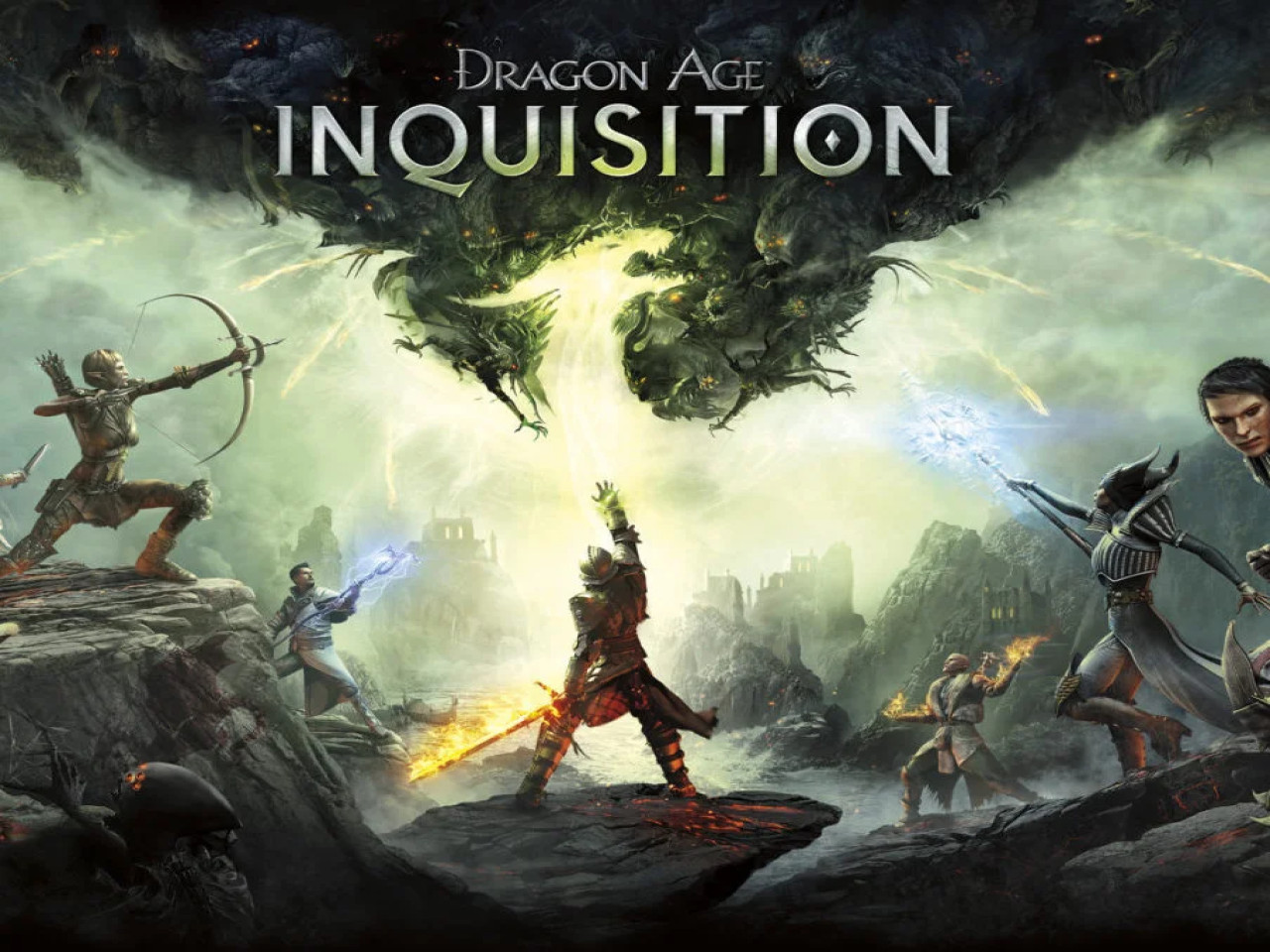
Thedas is burning before your Inquisitor ever lifts a banner. Dragon Age: Inquisition opens with a sky torn open by cataclysmic magic, factions blaming one another while ordinary people die in the rubble. BioWare's third Dragon Age game asks you not merely to fight demons but to hold together a coalition of wary allies — mages, templars, dwarven merchants, and elven rebels who distrust each other almost as much as they fear the Breach. That political pressure gives the campaign a weight that pure dungeon crawlers rarely achieve.
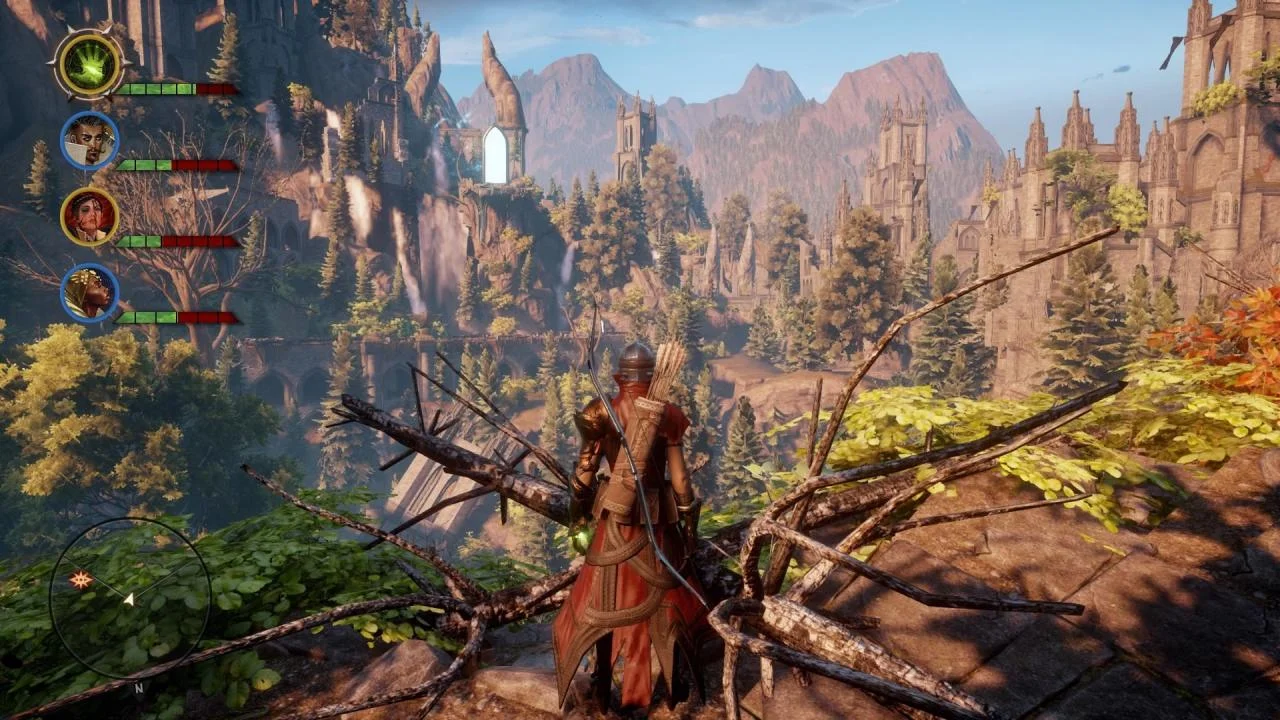
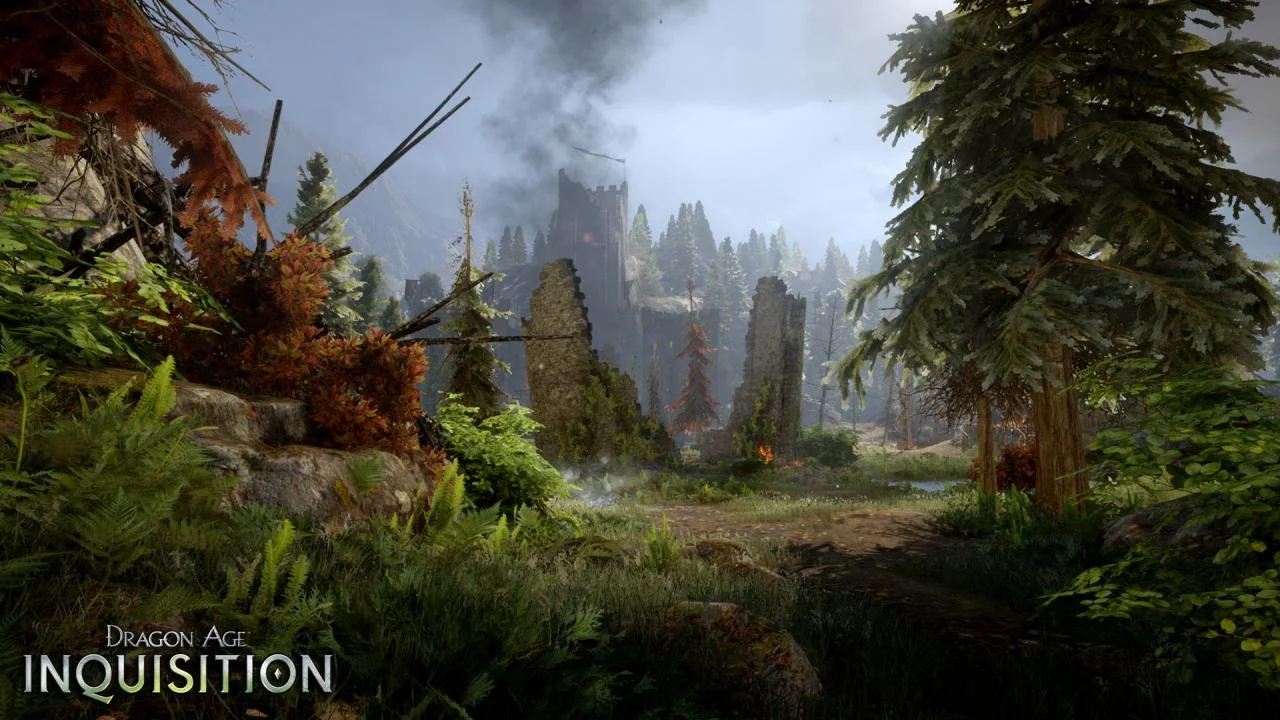
Inquisition arrived as BioWare's first Frostbite-era RPG, and the shift shows in scale. Skyhold rises from ruins into a fortress you customize; the war table turns companion missions and resource gathering into strategic choices that shape which crises you can answer. Exploration zones sprawl wider than Origins or Dragon Age II, mixing dragon hunts and puzzle-heavy ruins with quieter character moments at camp.
Companions who argue like real allies
Dragon Age: Inquisition lives in its companion writing. Cassandra Pentaghast wrestles with faith after the Chantry fractures. Varric Tethras narrates chaos with sarcasm that hides genuine loyalty. Solas speaks in riddles that retroactively reframe the entire saga for players who finish the game. Court approval mechanics nudge you toward or away from certain allies based on dialogue choices, but the best moments arrive when companions disagree with each other in cutscenes you did not script.
Players who want another story where choices ripple across a massive open map often pair Inquisition with The Witcher 3: Wild Hunt Complete Edition — different tone, same appetite for morally grey quests and companions who remember what you said three acts ago.
Combat that rewards planning over button mashing
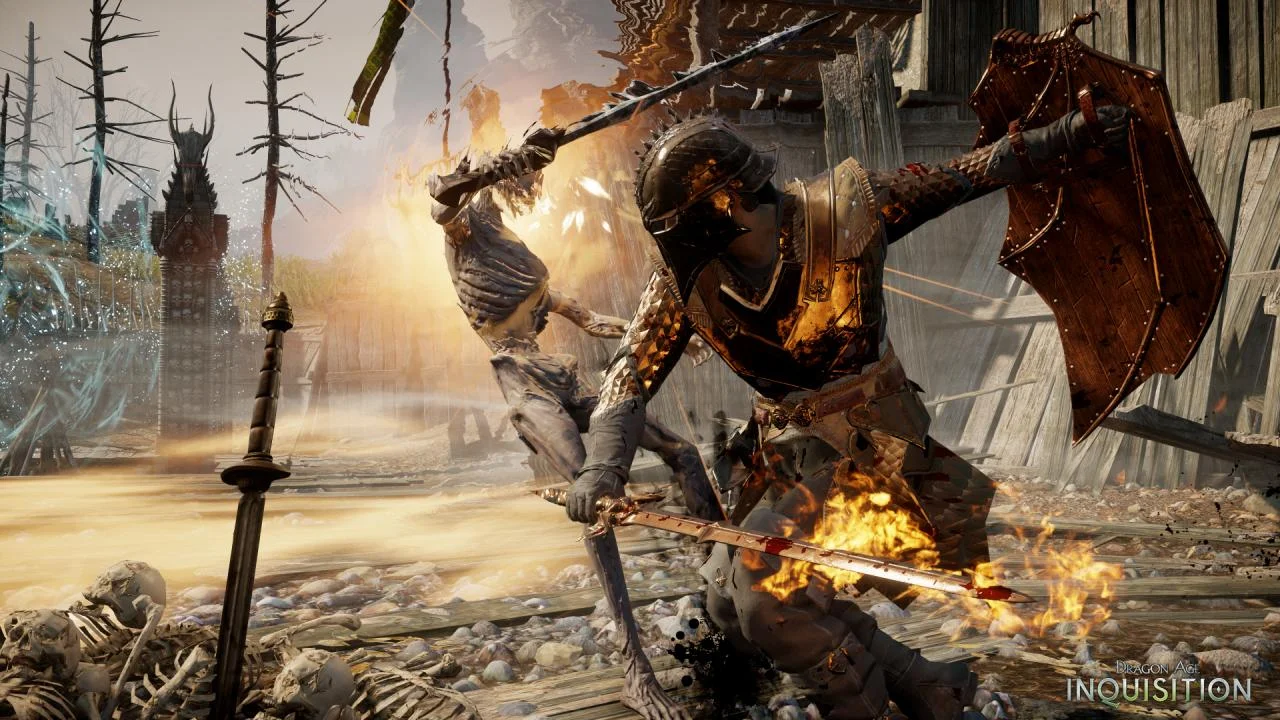
Inquisition's real-time-with-pause combat sits between tactical RPG depth and action accessibility. You control one party member directly while issuing orders to the rest, swapping abilities through hotbars tuned for your class — rogue, mage, or warrior variants with distinct crowd-control tools. Higher difficulties punish lazy positioning: archers need elevation, mages need protected casting lanes, and tanks must intercept flankers before they reach your back line.
Dragon fights function as set-piece exams. Each high dragon demands learnable patterns — breath arcs, wing slams, add spawns — and gear checks that encourage crafting upgrades from harvested materials. These encounters give exploration a purpose beyond checklist completion; you gather resources because the next dragon will not tolerate under-leveled armor.
GOTY edition value for latecomers
The Game of the Year package matters because Inquisition's post-launch arcs — Jaws of Hakkon, The Descent, Trespasser — substantially extend the campaign. Trespasser especially recontextualizes decisions you made hours earlier, making the GOTY bundle the sensible entry point rather than stopping at base-game credits. Spoils of the Avvar and Spoils of the Qunari packs add cosmetic and equipment variety for fashion-focused Inquisitors without gating story.
Open-world action fans who prefer FromSoftware pacing might alternate sessions with Elden Ring — less dialogue tree, more silent environmental lore — while still scratching the exploration itch between Inquisition story chapters.
Multiplayer and co-op detours
Inquisition includes four-player co-op missions separate from the main campaign — optional, but useful for groups who want drop-in combat without spoiling single-player plot beats. Each player controls an agent of the Inquisition with modular abilities, farming loot that feeds back into single-player crafting if you link accounts. It is not the primary reason to buy the game, yet it extends replay value for friends who finished their solo saves and want cooperative dragon slaying without starting fresh characters in another franchise.
Crafting and potion recipes tie exploration to combat readiness — herbs gathered in the Hinterlands become tonics that decide whether a nightmare difficulty attempt succeeds. That loop encourages returning to zones after story progression unlocks new areas, rather than rushing main quests alone.
Story-first groups who prefer turn-based rhythm between action sessions often keep Persona 4 Golden nearby — calendar management and social links instead of war-table timers — but Inquisition remains the go-to when you want high fantasy politics with real consequences.
Who should lead the Inquisition today
Dragon Age: Inquisition suits players who miss BioWare at its most ambitious — sprawling conversations, romance arcs, and a world that reacts to who you support in the mage-templar war. PC players benefit from mod-friendly communities and crisp keyboard-mouse targeting during hectic fights. newcomers should expect a slow burn: the opening hours establish crisis, but the best companion payoffs arrive mid-campaign once relationships deepen.
Romance options and friendship arcs vary by protagonist voice and race selection at character creation, giving replay incentive beyond class builds. Choosing a Qunari Inquisitor or an elf with different background dialogue opens scenes invisible on a first pass — useful for players who treat RPGs as branching experiments rather than one-and-done stories.
The Trespasser epilogue remains the conversation starter years later — plan for it if you care about lore implications for the wider Dragon Age timeline. Playing without spoilers from forums preserves the shock value BioWare intended for Inquisition's final act revelations.
Keyboard-mouse players gain precision when targeting high dragons' weak points during real-time-with-pause planning — a PC advantage worth using on nightmare difficulties where one mis-click costs revives.
If you enjoy action RPG combat with party tactics, Dragon's Dogma: Dark Arisen offers a very different climbing-heavy battle system — useful contrast when Inquisition's dialogue-heavy sessions need a break.
For a complete fantasy RPG with post-launch story that still sparks debate years later, Dragon Age: Inquisition remains one of the strongest BioWare packages on PC — Breach closed or not, Thedas stays worth saving.