




The Sims 3 — Life Simulation Spotlight


Before open neighborhoods and subscription expansions reshaped the franchise, The Sims 3 offered something simpler and stranger: a blank lot, a handful of simoleons, and the question of what life you wanted to invent. There is no dragon to slay and no final boss — only careers to climb, relationships to nurture or sabotage, and houses you design room by room without grid tyranny. That freedom still attracts players who want a sandbox rather than a checklist of seasonal live-service events.
The Sims 3 stands out in the series history for Create-a-Sim depth and build-mode flexibility. Traits and lifetime wishes shape gameplay beyond job promotions — a kleptomaniac artist sim plays differently from a hopeless romantic scientist even if both live on the same street. The open world connects lots without loading screens between community venues, making date nights and job commutes feel spatial rather than menu-driven.
Build mode without grid handcuffs
Free placement defines The Sims 3's creative legacy. Rotate objects freely, stretch landscapes, and sculpt lots that would be impossible under later grid-locked systems. Custom pattern tools let players paint fabrics and surfaces, sharing designs through community exchanges that kept the game alive long after launch. For players who spend more hours in build mode than live mode, The Sims 3 remains a hobbyist toolkit disguised as a life sim.
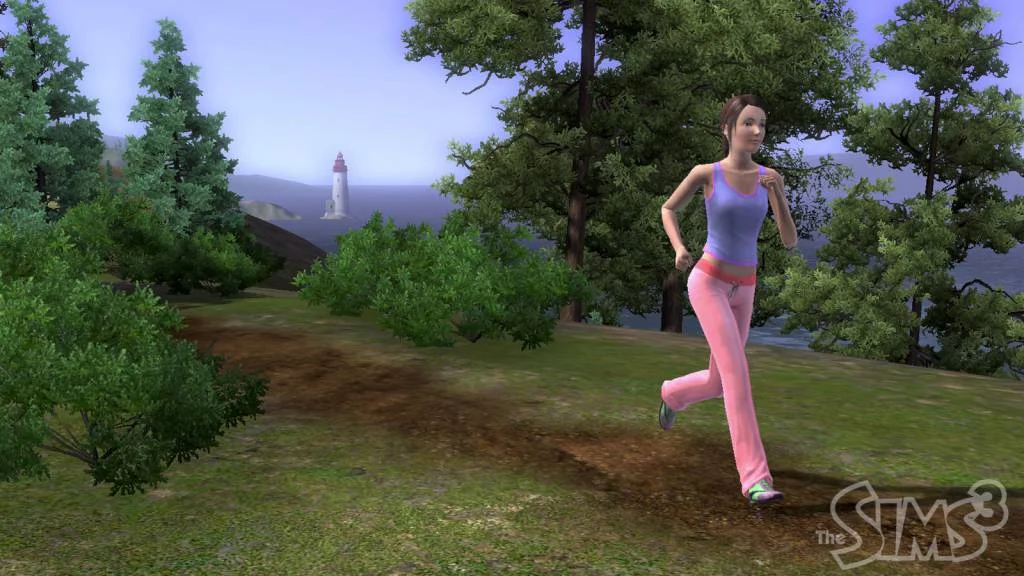
Simulation fans who prefer machinery over moodlets often pair The Sims 3 with Farming Simulator 25 — tractors instead of tea parties — but both reward patient optimization over twitch reflexes.
Open world social systems
Neighborhoods in The Sims 3 feel like places rather than isolated lots. Sims walk to work, bump into ex-partners at the diner, and spread gossip without you orchestrating every encounter. That emergent soap opera energy produces stories no writer scripted — the babysitter who became mayor, the ghost sim who refused to leave the pool. Expansion packs layered supernatural life states, study abroad, and seasonal festivals, but the base game's social web already supported hundreds of hours.
Skills matter mechanically, not just cosmetically. Gardening, cooking, handiness, and charisma unlock interactions and income streams that feel earned. Lifetime rewards let you buy convenience perks — faster learning, less bladder decay — without breaking challenge entirely if you spend wisely.
Career tracks branch into unique opportunities — ghost hunting, private investigator work, culinary empire building — depending on which expansions you own. Even in the base game, writing novels, painting masterpieces, and mastering instruments give creative sims long-term goals unrelated to traditional office careers.
Expansions and the long tail
The Sims 3's expansion ecosystem is vast, and newcomers often ask which packs matter. For many, World Adventures, Generations, and Seasons define the peak — travel tombs, richer family milestones, weather that affects mood. Late adopters on PC benefit from years of community fixes, custom content tutorials, and performance guides for modern hardware running a game built for 2009 machines.

Long-haul driving sims like Euro Truck Simulator 2 scratch a different relaxation itch — highway hypnosis instead of domestic drama — yet appeal to the same players who launch games to unwind rather than compete.
Creative communities and sharing stories
The Sims 3 predates modern gallery apps but fostered forums, legacy challenges, and machinima culture that still circulate. Players document ten-generation dynasties with self-imposed rules — only gardeners may marry politicians, every heir must master guitar — turning sandbox tools into narrative engines. Movie maker tools and screenshot staging let creators direct scenes without leaving the engine.
Crafting-focused groups who want voxel creativity between sim sessions often keep Minecraft: Java & Bedrock Edition for PC installed — block worlds instead of Victorian foyers — but The Sims 3 remains unmatched for character-driven melodrama.
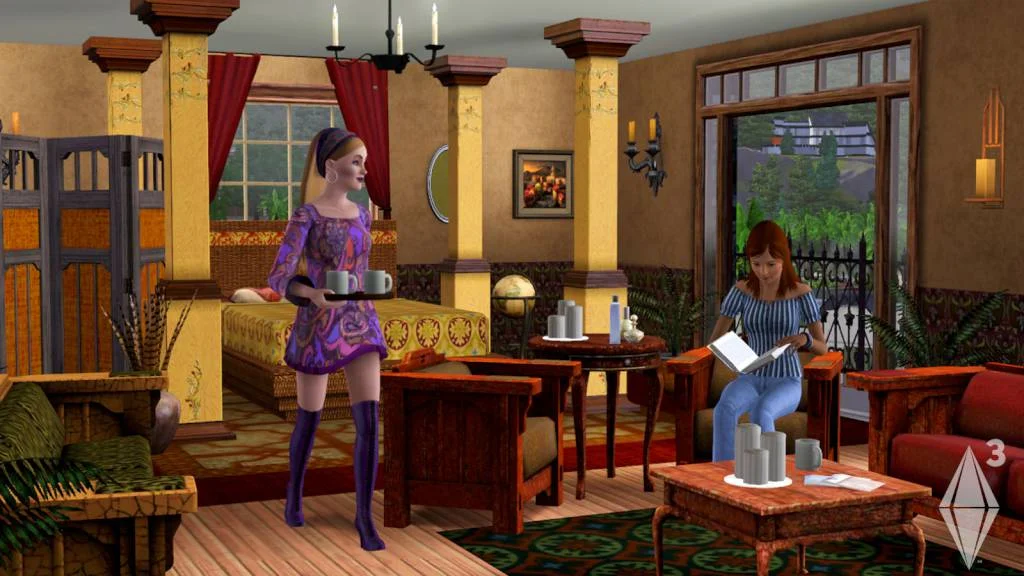
Who should start in Sunset Valley today
The Sims 3 suits players who want maximum creative control and emergent storytelling without a battle pass clock. PC remains the definitive platform — mouse precision for build mode, mod support, and multi-monitor staging for creators. Expect older engine quirks: routing oddities, occasional performance tuning, and UI that feels dated beside The Sims 4's polish.
Those trade-offs buy freedom: open worlds, deep traits, and build tools that still impress architects in the community. If you miss when life sims felt like toys rather than platforms, The Sims 3 delivers.
WooHoo mechanics, family trees, and aging options let legacy players document generations with screenshots and forum journals — a slower content cycle than daily login rewards, but one that produces personal stories no live event can replicate. Modding communities extend clothing, hair, and world objects years after official support slowed, keeping Sunset Valley visually fresh on modern PCs.
Performance tuning guides help modern rigs handle open worlds smoothly — disabling certain memories, capping story progression pop-ups, and using fixed mods for routing bugs. Investing an hour in setup saves dozens of hours of stutter during large parties or festivals.
Story progression photographers often pause aging during legacy challenges — a toggle in options — so toddlers do not become elders before chapter two finishes. That control preserves narrative pacing for forum-friendly legacy rulesets.
Holiday and seasonal mods from the community refresh worlds without official storefront updates — Halloween decor in Appaloosa Plains or winter festivals in Starlight Shores extend replay for players who calendar real-time events alongside sim birthdays.
Survival-crafting fans exploring creature-collector trends might peek at Palworld between sim generations — absurd contrast by design — but for pure domestic sandbox play, The Sims 3 on PC remains an essential chapter in the series worth revisiting.