




Titanfall 2 - Movement Shooter Spotlight

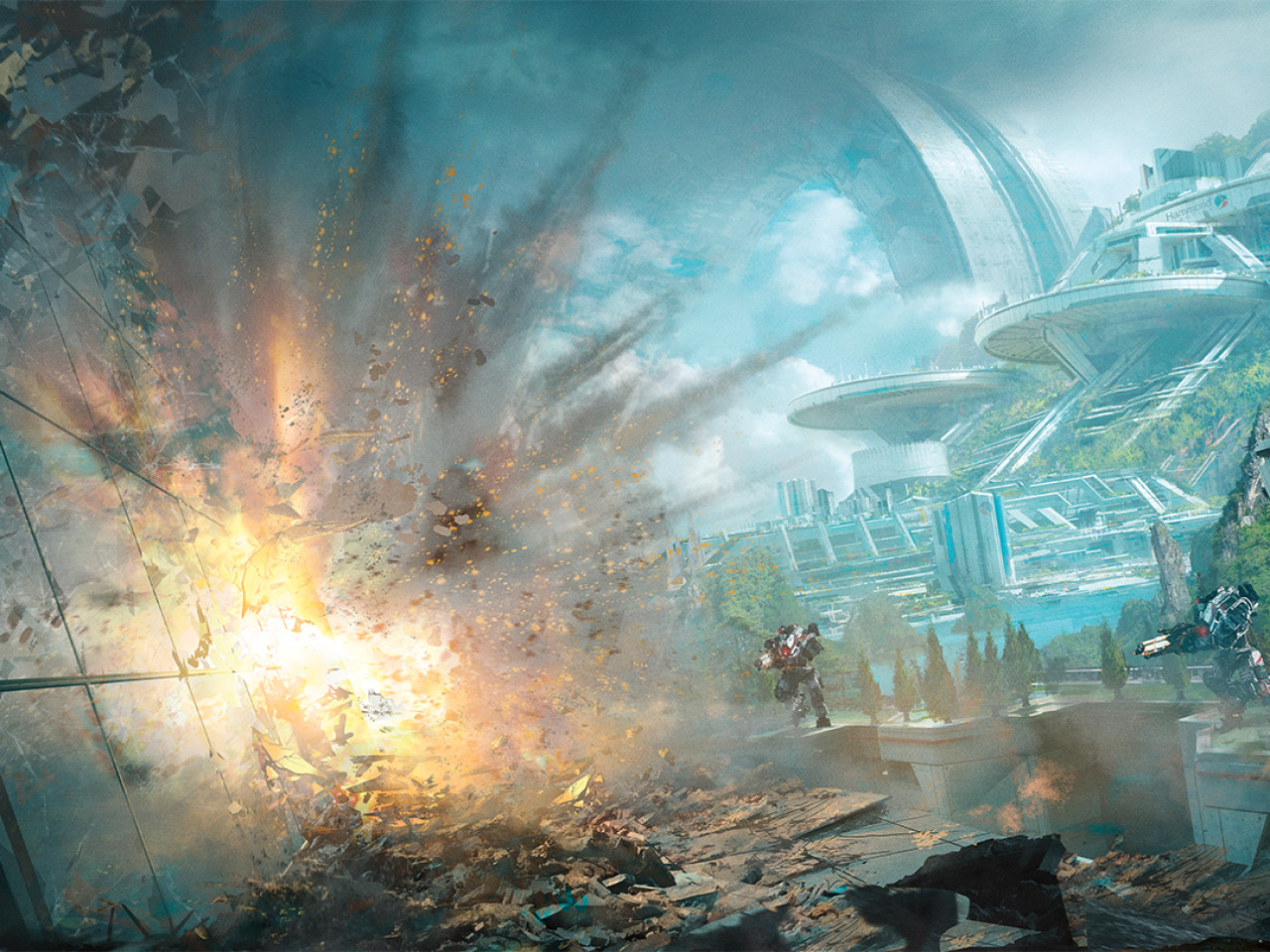
Titanfall 2 is still the rare shooter that makes you feel faster than the map. Respawn Entertainment shipped it on 28 October 2016, with Electronic Arts publishing, then brought the PC build to Steam on 18 June 2020. The pitch is simple and still unusual: you are a Rifleman who becomes a Pilot, then you share a war with a Titan that talks back. Jack Cooper and BT-7274 are the campaign. Wall-running, sliding, and a second body the size of a truck are the grammar.
Plenty of sequels inflate the sandbox and lose the sentence. Titanfall 2 keeps the sentence. If you want a first-person campaign that still teaches new verbs an hour in, this is the one to catalog.
Pilots that refuse to walk
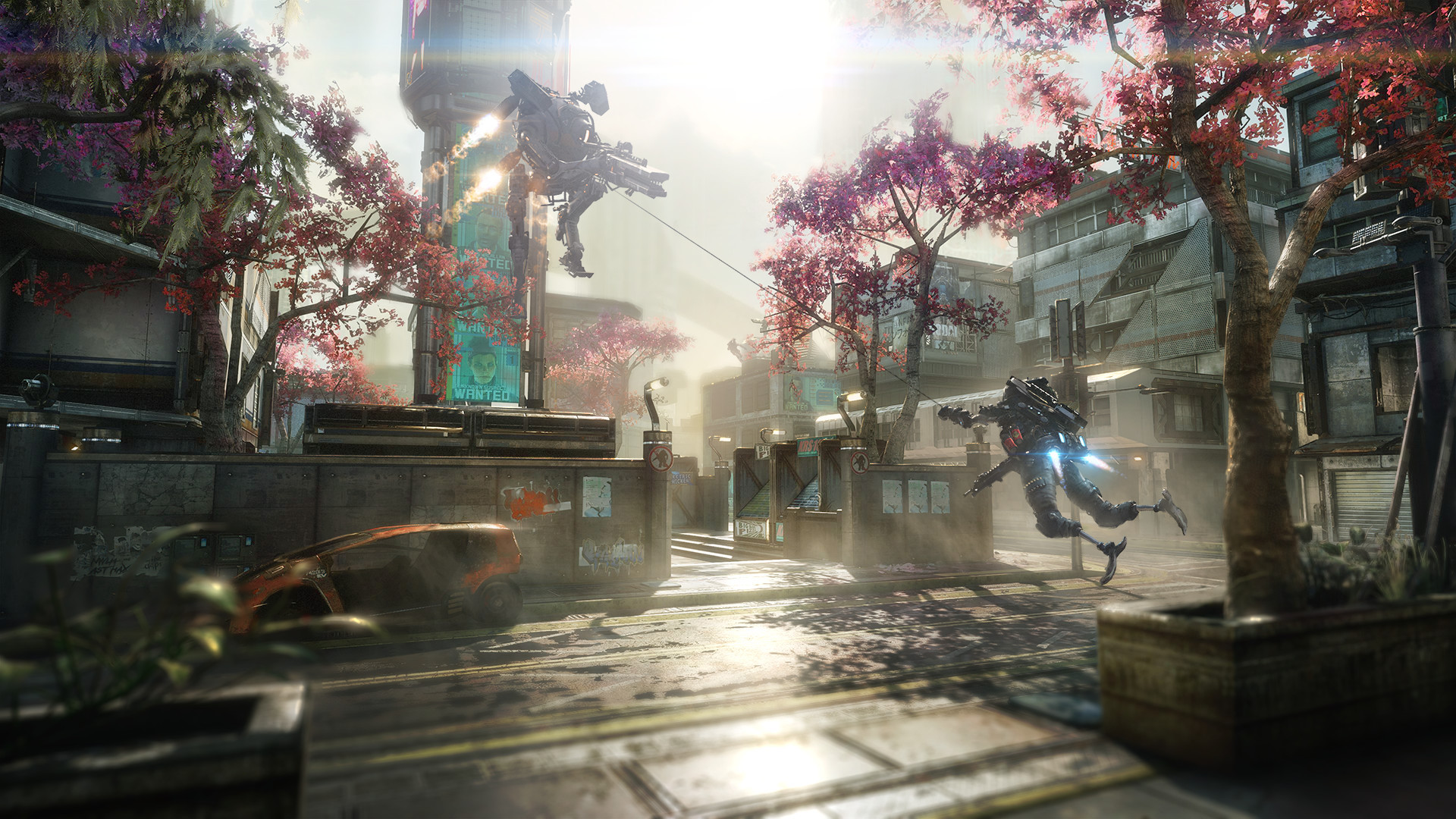
Most FPS games treat vertical space as a ladder. Titanfall 2 treats it as a lane. You bounce off walls, cut across streets under hanging mechs, and spend more time in the air than behind a crate. Kits change how you cheat gravity. The rifle still matters. The map matters more. If you stop moving, you are already losing the argument.
That same hunger for speed lives in louder, heavier form in DOOM Eternal, where the loop is glory kills and arena pressure instead of Titan drop. Sci-fi shooters that prefer nanosuit power over parkour still have Crysis 3 Remastered. Neither replaces the Pilot. They just prove that movement-first FPS design still has a shelf.
BT-7274 and the campaign that still surprises
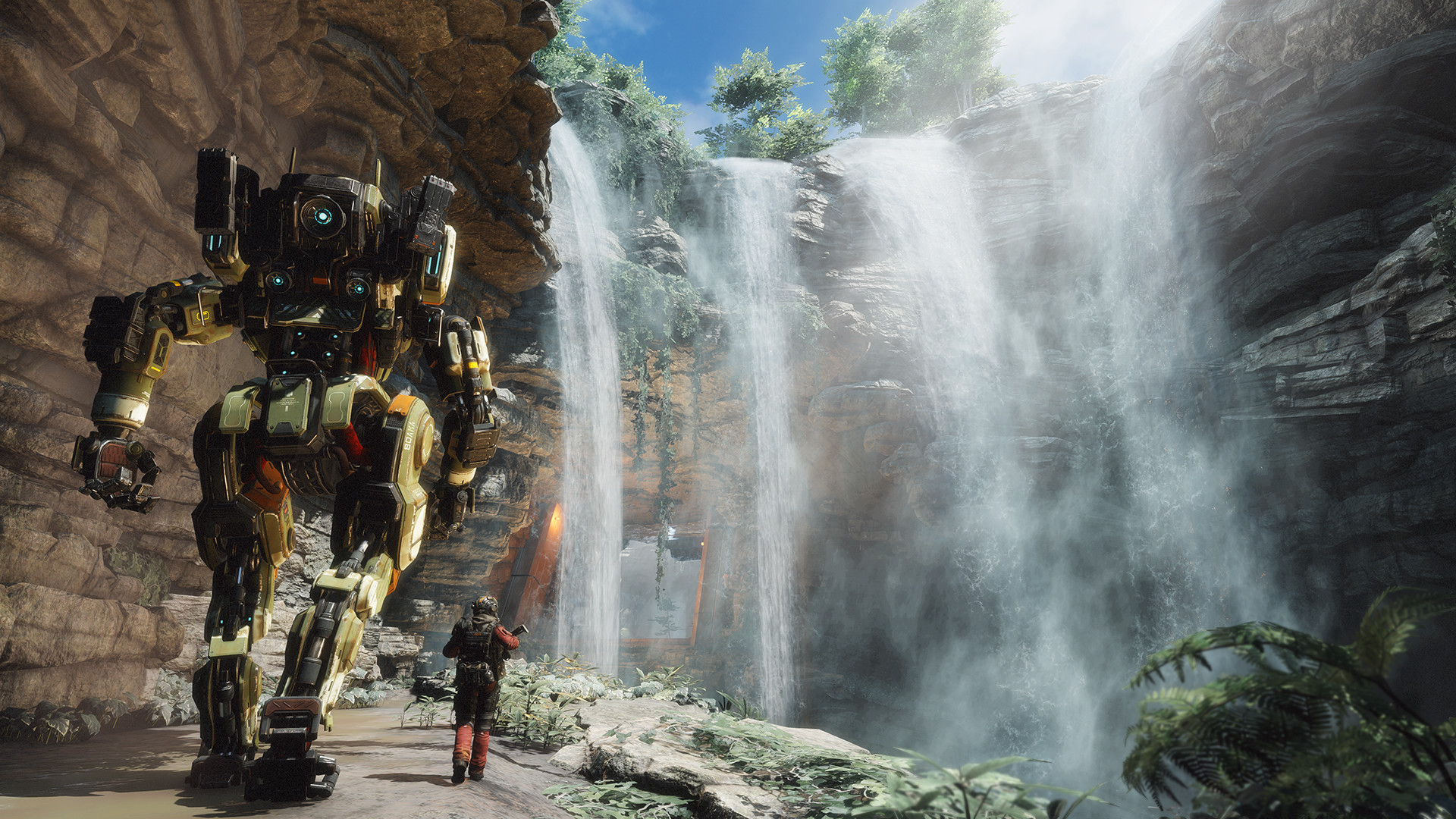
The campaign is why Titanfall 2 outlived the meme that it was only a multiplayer add-on. Cooper is not a silent cipher. BT is not a skin with a health bar. Missions keep throwing away the last toy: a time-split facility, a gauntlet that asks you to think like both bodies, a joke that lands because the robot has already earned it. Respawn later took character work into a different galaxy with STAR WARS Jedi: Survivor. The studio fingerprint is there. The guns and the wall-runs are here.
Do not expect a twenty-hour RPG. Expect a tight single-player that still has a mission people quote years later. That is rarer than another open map full of icons.
Titans as a second body, not a vehicle skin
Calling a Titan a tank misses the design. You embark, you disembark, you use the chassis as cover and as a punchline. Loadouts change the personality of the machine: some hold a line, some chase, some make a mess at close range. The sunset brawls look like advertisements. The real pleasure is the switch: a Pilot fight that suddenly becomes a Titan argument, or the reverse when you eject and keep running.
If you want industrial sci-fi tension without the parkour, Dead Space still teaches you to aim when the room is already screaming. Survival-minded players who prefer scarce ammo after a drop can walk Metro Exodus. Distance and dread are their jobs. Titanfall 2 owns the sprint between them.
Multiplayer after the credits
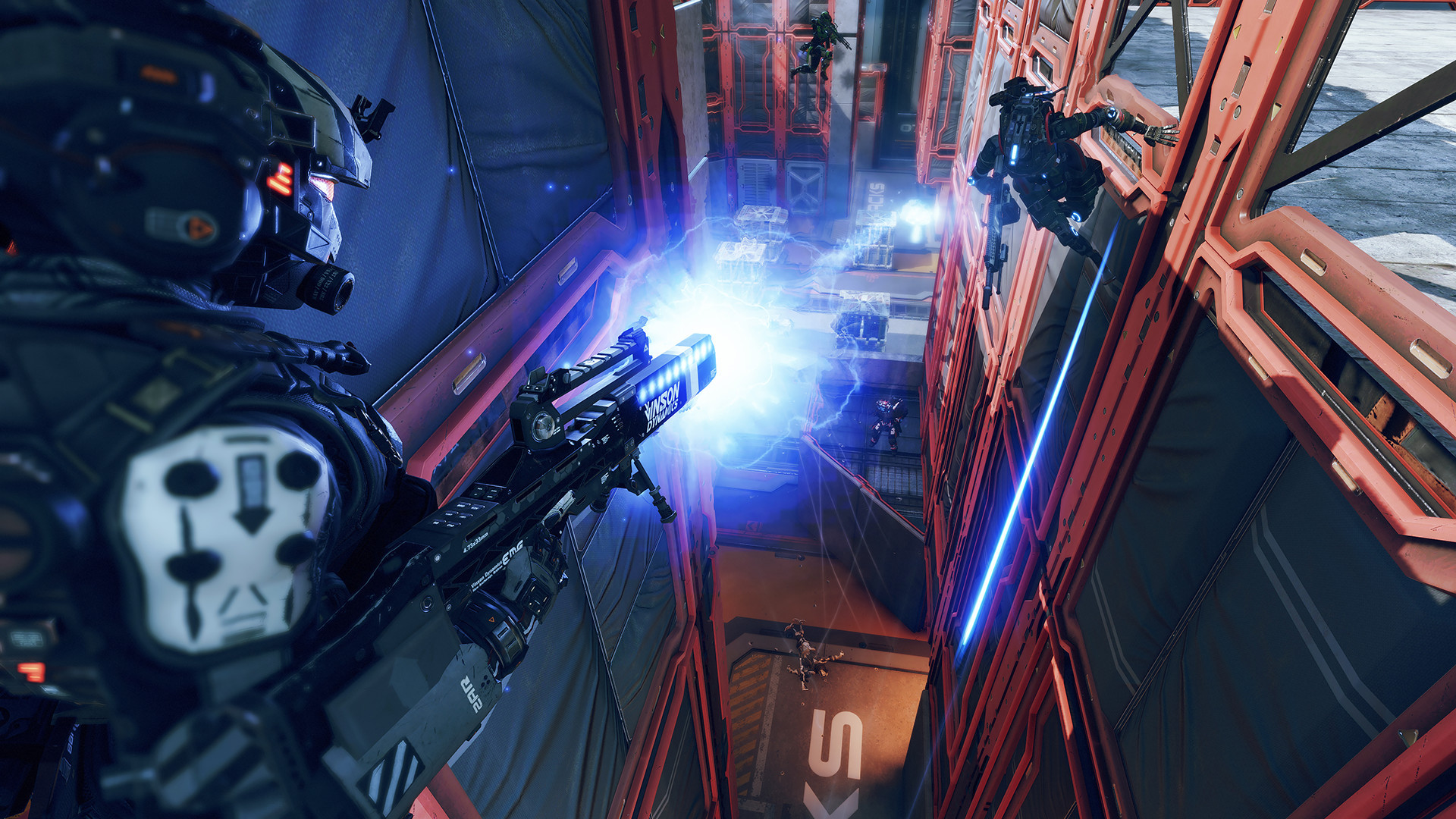
The campaign is the reason to start. Multiplayer and Frontier Defense are why some players never leave. Attrition, last Titan standing, and the PvE defense mode still reward people who learned the movement in story missions. Servers and populations shift over years; the design does not. You are still a small target that can embarrass a walking fortress if you refuse to stand still.
It is not a live-service checklist. It is a 2016 shooter that still feels like it was built by people who hated idle strafing. That is the catalog case, not a battle-pass calendar.
Who should take the drop
Titanfall 2 is for players who like first-person movement as a skill, a short campaign with a robot that has a personality, and multiplayer that still asks you to think in three dimensions. It is a poor fit if you need a sprawling loot RPG, a grimdark tone with no pulp, or a shooter that never takes the gun out of your hands to put you in a Titan.
On PC, keyboard and mouse make the wall-runs honest. A controller works if you already live in the assist. When you want Cooper and BT in a library, Titanfall 2 on Urazon is a straightforward way to start the drop without hunting noisy marketplace listings.