




Alien Isolation — Survival Horror Spotlight


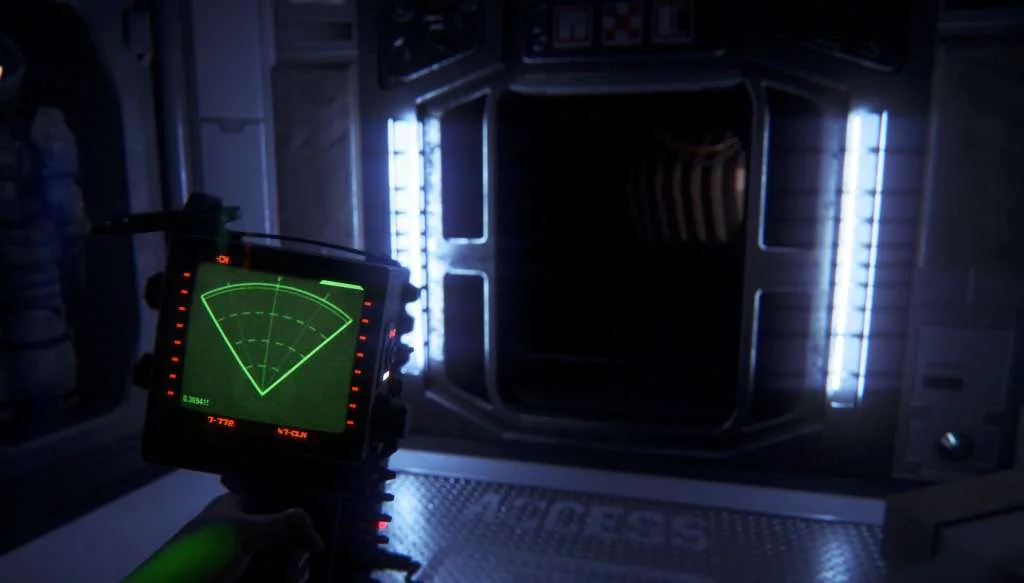
Creative Assembly’s Alien: Isolation remains the rare licensed horror game that understands the monster is scarier when you cannot reliably kill it. You play as Amanda Ripley aboard the Sevastopol station, scavenging tools and hiding from a single Xenomorph that hunts with persistent, reactive AI. Motion tracker beeps, flamethrower bursts, and locker doors become the entire language of survival. Years later, the campaign still feels like a masterclass in tension rather than a haunted-house checklist.
What keeps Alien: Isolation essential on PC is how systems conspire against comfort. Saving requires Sevastopol’s limited save stations. Noise and light telegraph your position. Androids and human survivors complicate routes that would otherwise be pure stealth puzzles. Even familiar tools stay double-edged: a noisemaker buys space until it draws the wrong attention, and a flare lights a path while painting a target. The result is a first-person horror fantasy that respects Ridley Scott’s original film more than most shooters wearing the Alien brand — and that respect is exactly why players still recommend it when someone asks for “real” xenomorph dread.
One alien, endless second guesses
The Xenomorph is not a scripted jump-scare actor. It patrols, investigates disturbances, and forces you to abandon plans mid-corridor. Alien: Isolation teaches you to listen: vents, footsteps, the tracker’s widening arcs. Crafting noise makers and using the flamethrower as deterrence rather than a primary weapon reinforces that you are never meant to feel powerful for long.
That vulnerability pairs naturally with other careful first-person journeys. Fans of resource dread often move from Sevastopol to the surface campaign of Metro Exodus, while players who want industrial sci-fi horror with more combat tools still respect Dead Space as a complementary classic.
Sevastopol as a pressure cooker
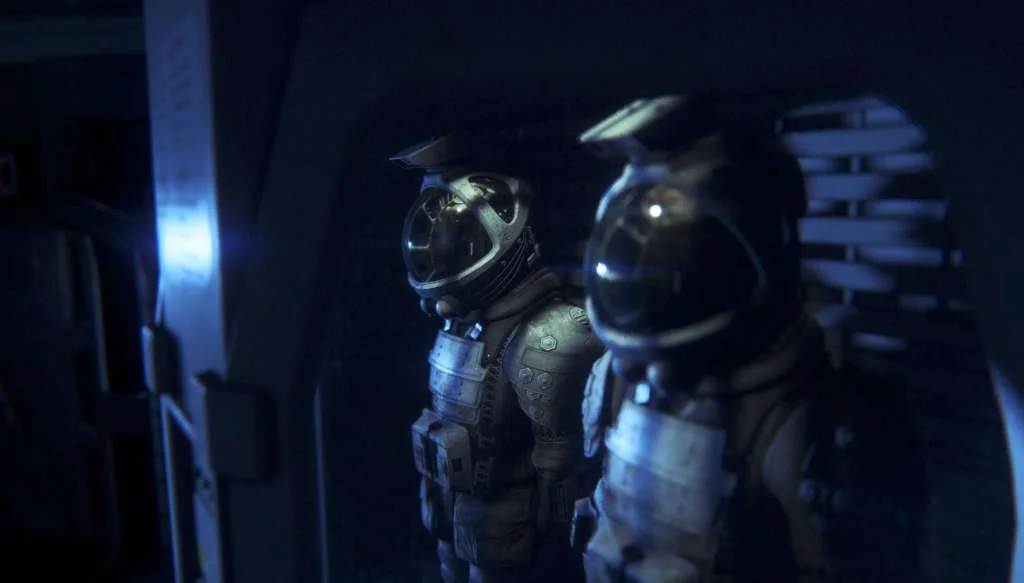
Level design sells the fantasy. Station modules feel lived-in and hostile at once — corporate signage, failing lights, maintenance shafts that become escape routes. Alien: Isolation paces louder human conflict against quieter alien stalking so the Xenomorph never becomes background noise. Optional recordings and environmental storytelling deepen Amanda’s search without pausing the hunt for lengthy cutscene dumps.
If you like stealth improvisation without cosmic horror, Indiana Jones and the Great Circle offers whip-and-distraction infiltration in a pulp register. For methodical tactical clearing instead of hiding, Ready or Not flips the power fantasy entirely — useful contrast after a night of locker panic.
Who should board Sevastopol now
Alien: Isolation suits horror fans who accept slow burns, players who enjoy stealth toolkits, and anyone burned by Alien games that turn the creature into fodder. It is less ideal if you want constant gunfight pacing or short session lengths; deaths can erase bold runs between save points. On PC, modern patches and community guidance make the classic campaign easier to finish cleanly than at launch, but the core intimidation remains intact.
After surviving the station, brighter or more kinetic catalogs help reset your nerves: swinging through New York in Marvel's Spider-Man 2, or decompressing in the creature sandbox of Palworld if you need color after grayscale dread.
Sound design carries as much terror as the creature model. Ambient station groans, distant metal impacts, and the tracker’s rising chirp train you to freeze before you see anything. Alien: Isolation understands that horror is often an audio problem first, which is why headphones remain the recommended way to board Sevastopol even a decade on.
Those audio cues pair with scarce inventory choices to keep every corridor decision meaningful. Do you spend parts on a noisemaker now, or save them for a later vent escape you cannot yet see?
Why the tracker still beeps
Alien: Isolation endures because it refuses to make the Xenomorph fair. Every system exists to keep you guessing, and that design honesty is rarer than another high-fidelity remaster. Amanda’s campaign remains the benchmark for licensed horror that trusts atmosphere over arsenal. Replay value comes from route knowledge as much as from endings: once you understand Sevastopol’s rhythms, the station becomes a different kind of puzzle without losing its teeth.

If you want that Sevastopol pressure on PC, Alien: Isolation on Urazon is still the definitive way to hear the tracker spike and freeze.