




METRO 2039 Returns to Moscow in February 2027

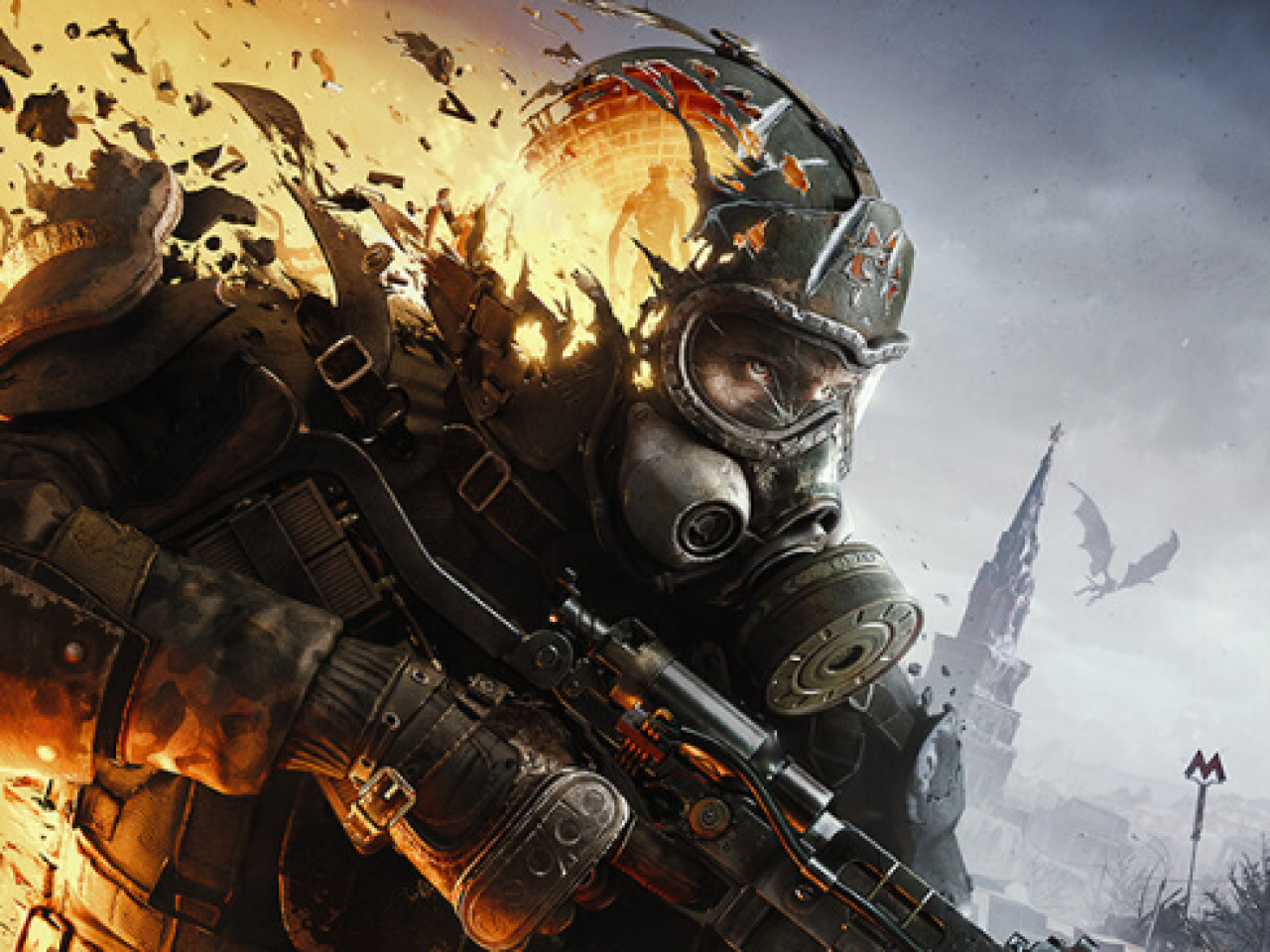
Metro Exodus sent Artyom into the light. METRO 2039 sends someone else back under it. 4A Games and Deep Silver have locked a February 2027 window — not a day, not “winter,” February — for PlayStation 5, Xbox Series X|S, and PC on Steam, Epic Games Store, and Xbox on PC. The studio is clear about what the game is not: it is not a novel adaptation of a specific Glukhovsky book, and it is not another silent trip on the Aurora. It is an original story written with Dmitry Glukhovsky, set four years after Exodus, with a fully voiced lead called the Stranger and a Moscow Metro that has stopped pretending to be a patchwork of rival stations.
That last point is why the title is in search boxes again. Hunter, the Spartan players remember as a Ranger, now rules a Novoreich built on propaganda and a promised war for the irradiated surface. The Stranger is pulled from exile by nightmares and a past he will not name, then forced into the one place he swore off. Gamescom’s “Renegade” trailer and a hands-on station demo have already shown first-person stealth, a pneumatic rifle that needs pumping, and tools for cutting into “frozen stories” — rooms sealed so the world can keep a secret until you breach it. This piece collects what 4A has actually shown about METRO 2039: the date, the politics in the tunnels, and whether a return to claustrophobia still leaves room to wander.
Release date: February 2027
Developer: 4A Games
Publisher: Deep Silver
Genre: First-person shooter
Platforms: PlayStation 5, Xbox Series X|S, PC (Steam, Epic Games Store, Xbox on PC)
Engine: 4A Engine
Official website: deepsilver.com/games/metro2039
Hunter’s peace is the problem
Twenty-five years after the bombs, the Metro’s factions have been folded into one banner. Hunter’s Novoreich sells unity; the Stranger’s inner monologue, in the gameplay trailer, calls it a lie — a brighter future that became a cult of posters, statues, and a fascist cut of Spartan armour. 4A’s stated themes are blunt: the cost of silence, the horror of tyranny, the price of freedom. Glukhovsky has already said this will be darker than anything the games have done. The Dark Ones flicker in the nightmares; Artyom and the Aurora crew are gone from the frame. You do not need the novels, or even Exodus, to enter — the studio is selling METRO 2039 as a jumping-on point — but veterans will recognise the insult of a Ranger who became the thing Rangers used to hunt.
That is a different emotional job from Exodus’s travelogue hope. If you want the last finished argument for leaving the tunnels before 2027, Metro Exodus is still the catalog chapter that proved 4A could open the map without dropping the gas mask. Play it for the surface; play this preview for the politics of going back.
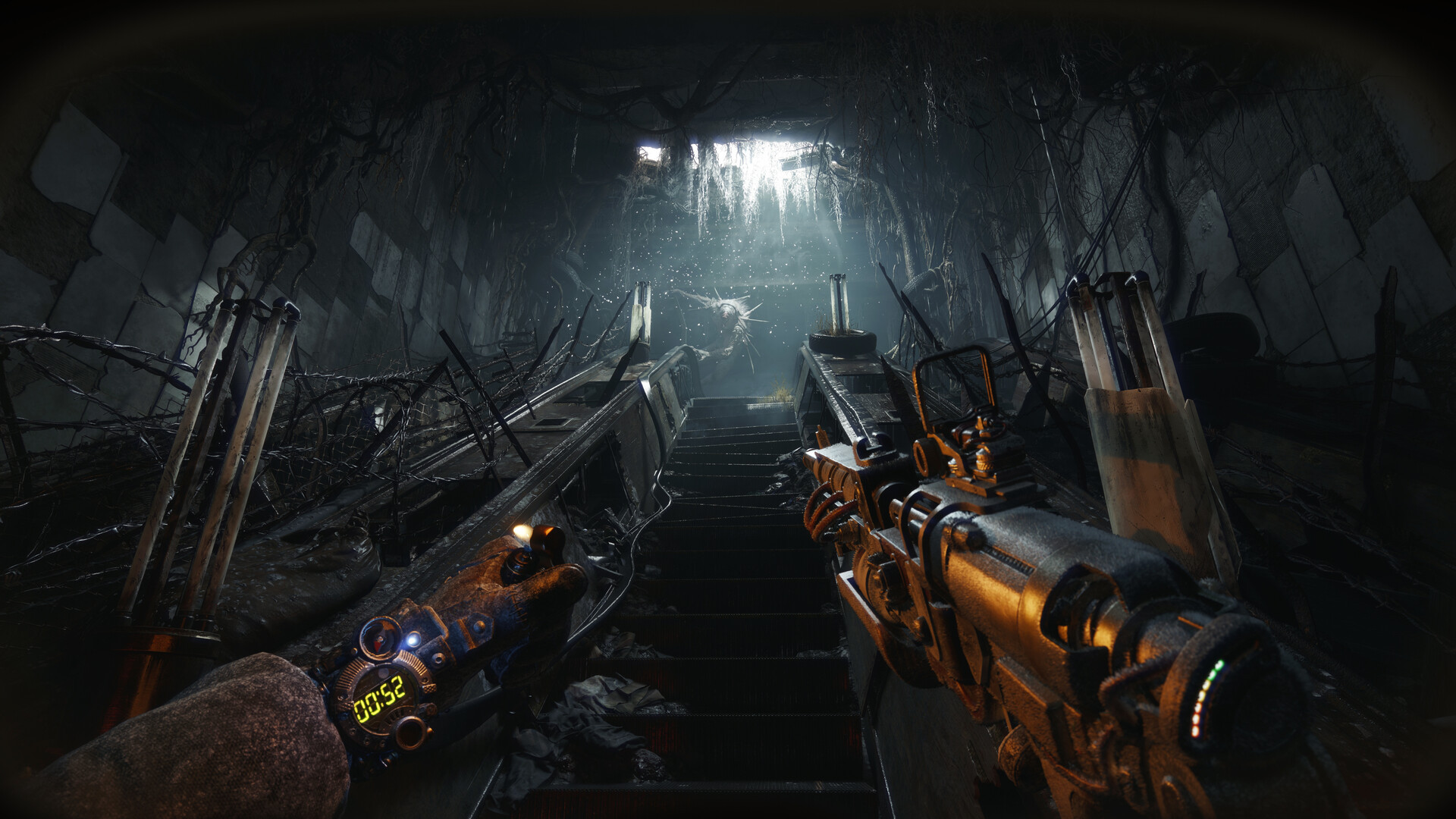
First-person in METRO 2039: a wrecked escalator, a lighter, a jury-rigged rifle, and a wrist timer — the diegetic survival kit 4A has always preferred to a floating HUD.
Tunnels first, surface still lethal
Gameplay is a return to close, dirty stealth-action rather than Exodus’s wide seasonal valleys — with the important caveat that the surface is not a loading-screen memory. Hands-on coverage from Gamescom describes Sevastopolskaya as a lived-in station settlement, then irradiated Moscow streets that still reward leaving the critical path. New tools are small and specific: breaching charges for walls, an acetylene torch for welded doors, UV light that both reveals hidden marks and pushes mutants back. The Shatun is a pneumatic stealth rifle you keep under pressure by hand, the spiritual successor to the Tikhar rather than a loot-shooter exotic. Director Andriy Shevchenko’s phrase for level dressing is “frozen stories”: bodies and objects staged so a room explains itself if you look.
That design sits between corridor horror and a semi-open chapter. Hot-swapping tools on a busy d-pad was already a complaint in the preview build; whether the full game streamlines that is unconfirmed. What is confirmed is single-player only, 4A Engine, development split between Ukraine (under wartime conditions) and Malta, and a Collector’s Edition later this year that includes a replica of the Stranger’s Spartan helmet. METRO 2039 is not chasing a live-service loop. It is chasing the feeling that every bolted door had a reason to be sealed.
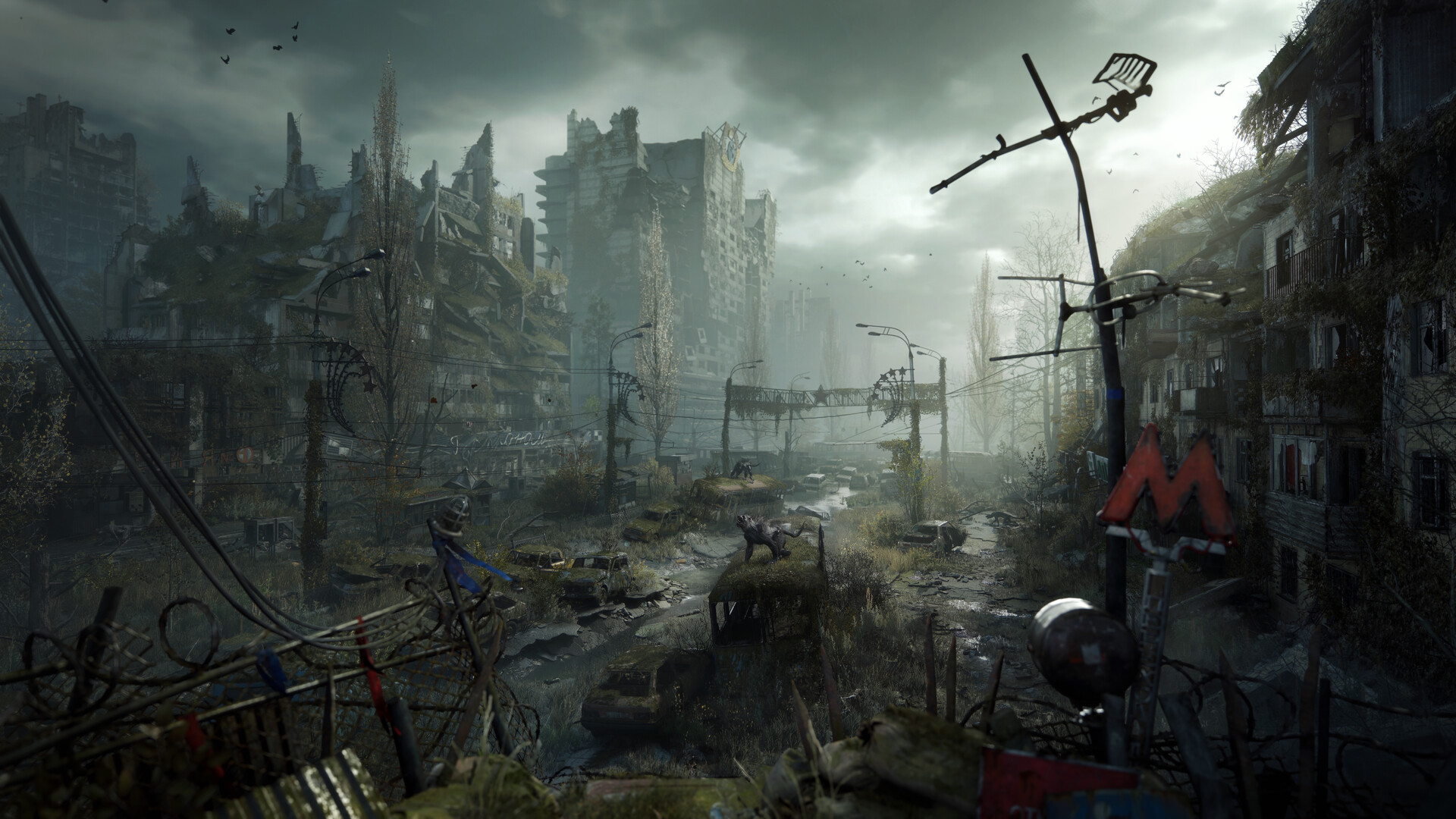
The surface 4A still wants you to fear: a Moscow street gone to moss and wrecks, the red Metro M still standing, mutants using the buses as perches.
February is a window, not a dare
METRO 2039 is for players who missed the claustrophobia of 2033 and Last Light and were willing to trade some of Exodus’s horizon for denser stations — and for anyone who wants a voiced lead without needing a wiki tab. It is a poor match if you want co-op, if you need a locked day in the calendar, or if “darker than before” sounds like a content warning you do not want. Honest risks: February 2027 slipped from an earlier winter 2026 target; a new protagonist can bounce people who only loved Artyom; propaganda-heavy worldbuilding can turn preachy if the gunplay does not stay first.
While the tunnels stay closed, the closest analog already in the catalog is S.T.A.L.K.E.R.: Shadow of Chornobyl Enhanced Edition — another Eastern European exclusion zone where anomalies and human factions will kill you for curiosity. Different country, same appetite for air you should not trust. When February keys appear, Urazon remains a direct way to check PC prices. Until then, the brief is unusually coherent for a sequel: back to Moscow, a liar in the tunnels, and a stranger who has run out of wilderness.