




Palworld — Creature Survival Spotlight

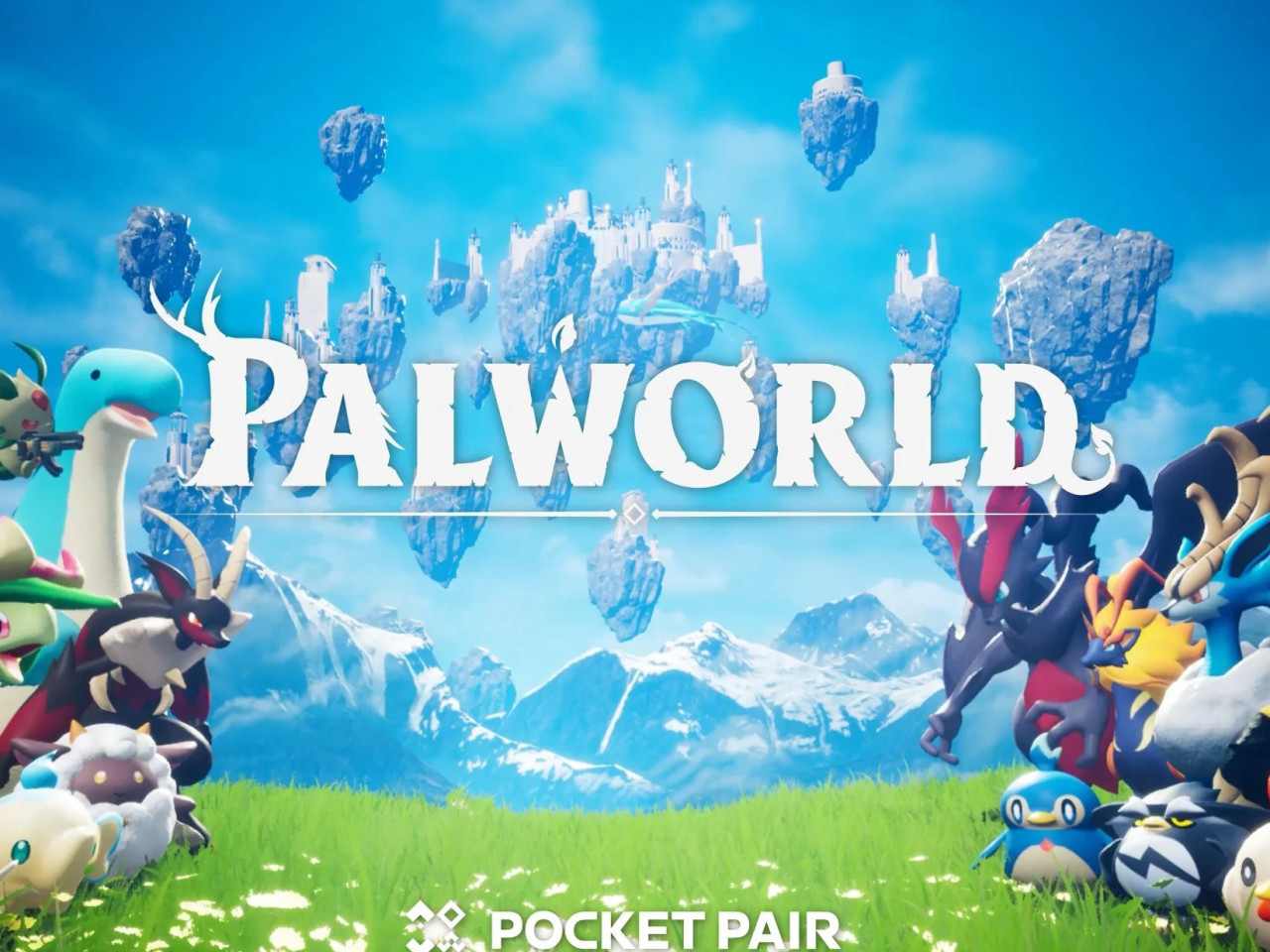
Palworld did not become a phenomenon because it looked like a creature collection parody. It stuck because Pocketpair welded open-world survival systems — base building, crafting, multiplayer raids, resource loops — onto a cast of catchable pals that can fight, farm, and staff your outposts. On PC, that mix still reads as one of the strangest successful genre collisions in recent memory: part creature adventure, part factory management, part co-op sandbox where the joke wears off and the systems keep going.
What keeps Palworld interesting after the meme cycle is how many playstyles it tolerates. Solo explorers can treat it like a survival RPG with mounts and boss towers. Friends can specialize labor across a shared base. Aggressive players lean into raids and captured workforce logistics that other creature games refuse to touch. If you bounced off purely wholesome collection loops, Palworld is the sandbox that lets the fantasy get darker without abandoning the joy of discovering a new pal on a ridgeline. Early Access growth also matters here: Pocketpair kept expanding biomes, pals, and quality-of-life systems, so the island you load today is denser than the viral launch build that first flooded clip feeds.
Catch, craft, and industrialize the island
Progression in Palworld is less about gym badges and more about turning a scrap camp into a humming production chain. You gather, unlock tech, assign pals to mining or assembly, then push outward for rarer species and tougher bosses. The loop rewards curiosity about biomes as much as combat builds, which is why the game still feels like a survival title wearing a creature-collection skin.
Players who enjoy systemic sandboxes after finishing denser story campaigns often pair that mood with looter chaos in Borderlands 4 or persistent online scavenging in Fallout 76. Neither replaces Palworld’s captive-labor fantasy, but both scratch the urge to optimize a messy world with friends.
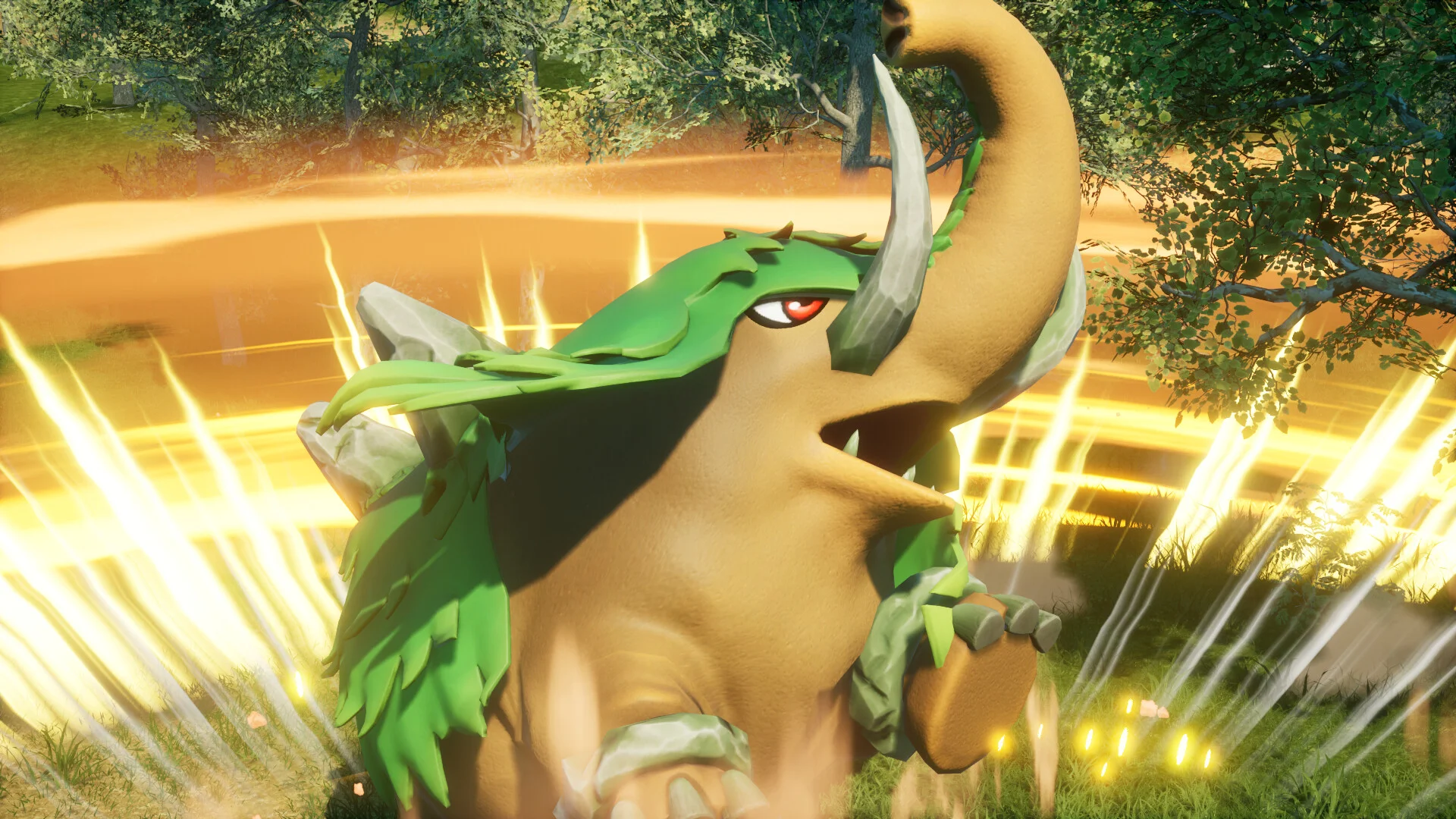
Multiplayer bases and raid pressure
Co-op is where Palworld’s personality sharpens. Shared bases turn individual catch sessions into a logistics puzzle: who farms ore, who breeds for traits, who defends against raids. Cross-play friendly sessions and private server options make it easy to treat the island like a long-running clubhouse rather than a disposable weekend demo. That social layer is also why the game keeps regenerating discussion even after launch spikes cool down.
If your group prefers authored co-op stories instead of sandbox maintenance, Marvel's Spider-Man 2 offers a polished dual-hero campaign, while mythic boss nights in Black Myth: Wukong scratch a completely different co-op-adjacent itch — solo spectacle you can still talk about in the same Discord.
Tone, controversy, and who it suits
Palworld’s irreverent tone is deliberate. Automating pals into production lines will delight some players and unsettle others, and that tension is part of the identity rather than an accidental edge. Visually it stays readable and colorful even when systems get ruthless, which helps the game stay approachable on mid-range PCs despite open-world density.
This is the right buy if you want creature collecting with survival teeth, base automation, and multiplayer longevity. It is less ideal if you need a tightly written single-player campaign or pure competitive ranked ladders. Precision fantasy fans waiting between sessions can decompress with Sniper Elite 5, and stealth-minded players may prefer the quieter dread of Alien: Isolation after a weekend of industrializing pals.
Technically, Palworld benefits from approachable system requirements relative to heavier open-world RPGs, which helped the multiplayer island fantasy spread beyond high-end PCs. That accessibility, combined with a systems fantasy that keeps expanding, is why the title still belongs in any PC survival conversation that pretends creature collecting and factory logistics cannot share a save file.
Why the island still matters
Palworld remains relevant because it commits to being a systems toy first. Capture loops feed bases, bases feed expeditions, expeditions feed stronger pals, and multiplayer turns every optimization into a shared argument. That flywheel is rarer than another pretty open world with a catch button. It also explains the long tail: players return not only to finish a story, but to rebuild production lines after a raid or to chase a breeding outcome that finally staffs the night shift.

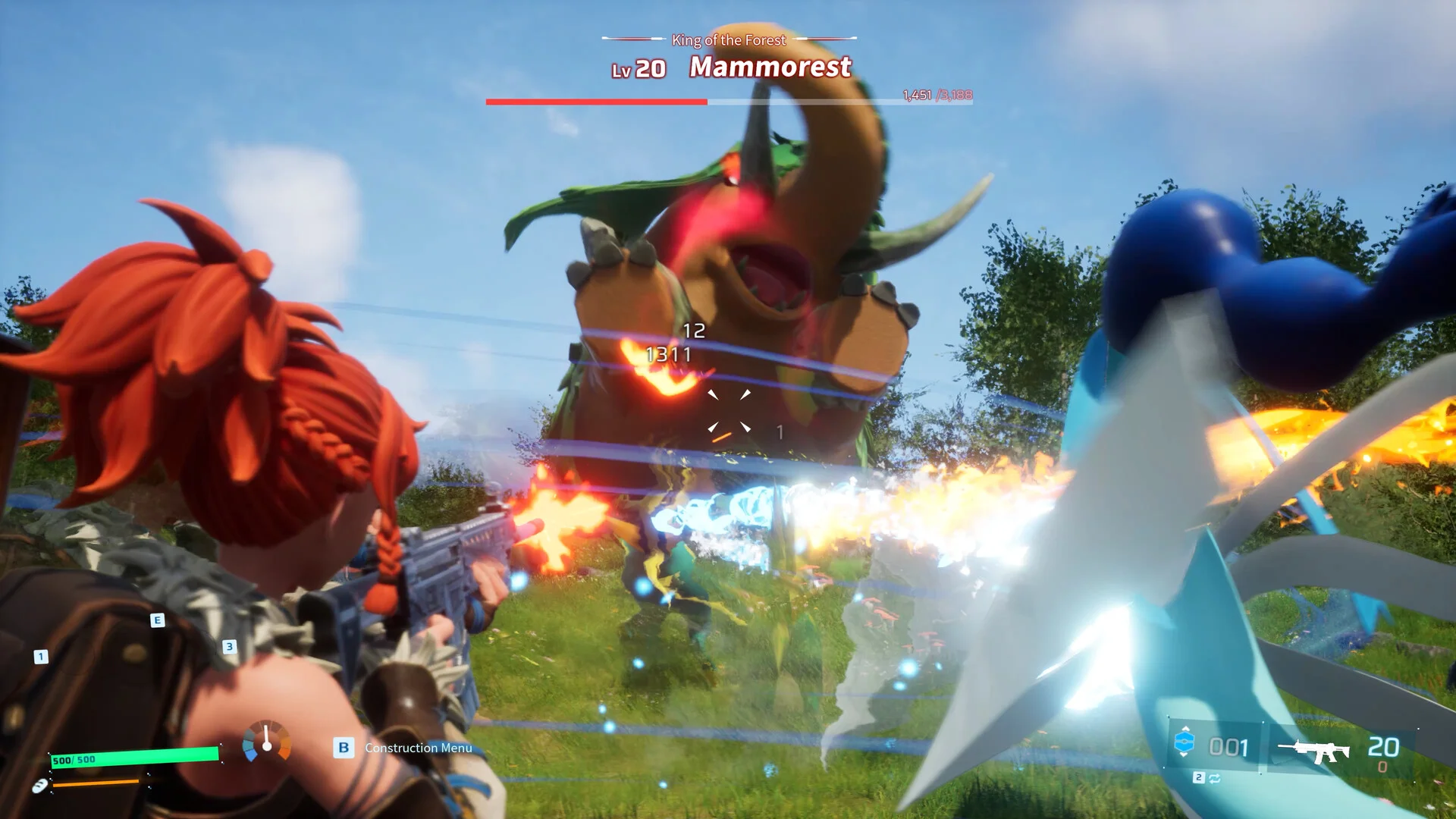
When you are ready to build that first automated outpost, Palworld on Urazon is a straightforward way to start the island loop on PC without hunting noisy marketplace listings.