




Black Myth: Wukong — Action RPG a fondo

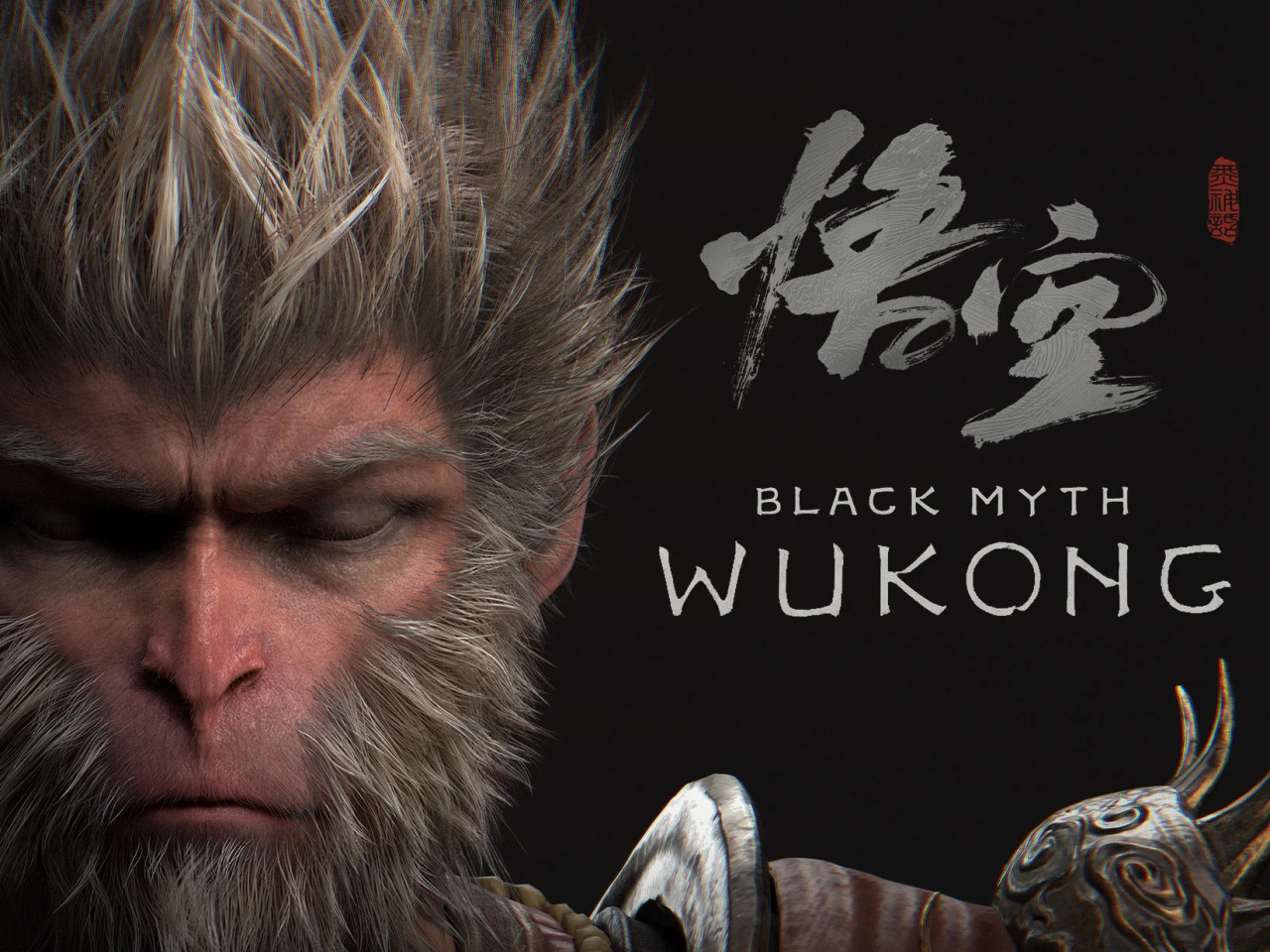
Game Science no inventó al Predestinado de la nada. Black Myth: Wukong toma silueta, bastón y desparpajo mítico de Viaje al Oeste y reconstruye esa leyenda como action RPG en tercera persona: jefes exigentes, tempo de hechizos y transformaciones que convierten al cazador, un instante, en presa. El resultado es menos un folleto turístico del folclore chino que un viaje de combate concentrado por montañas pintadas, templos en ruinas y guaridas de criaturas pensadas para el espectáculo, sin renunciar a la profundidad mecánica.
Lo que mantiene interesante Black Myth: Wukong cuando se apagan los primeros momentos virales del tráiler es cómo apila las herramientas a propósito. Las posturas del bastón cambian el ritmo a mitad de pelea. Los puntos de Focus premian una presión limpia de ataques ligeros y esquivas bien medidas. Los hechizos interrumpen patrones de jefe que aplastarían un enfoque de machacar botones. Si llegáis esperando un clon Souls puro, el juego sorprende; si esperáis un fighter de espectáculo sin peso, la barra de aguante y las curas limitadas empujan en sentido contrario.
Posturas de bastón que redibujan cada duelo
El bastón inspirado en el Ruyi es el compañero constante, pero Black Myth: Wukong se niega a tratarlo como un único repertorio. Smash, Pillar y Thrust enfatizan cada una alcances y perfiles de riesgo distintos; cambiar entre ellas a mitad de encuentro forma parte de leer a un jefe, no de esperar un cambio de fase guionizado. Los pesados cargados gastan el Focus que se gana con agresividad y defensa perfecta, así que las mejores partidas saben a tempo controlado, no a rodar de pánico.
Esa claridad de cuerpo a cuerpo guiada por posturas encaja bien junto a otras campañas de acción de personaje en la tienda. Quienes disfrutaron el forcejeo legible y cinematográfico de God of War Ragnarök reconocerán el mismo apetito por jefes de escena espectacular, aunque la economía de recursos de Wukong sea más estricta y más dependiente de los hechizos. Para otro sabor de precisión bajo presión, TEKKEN 8 premia leer las aperturas con una satisfacción parecida, en una arena competitiva en lugar de una tierra salvaje mítica.
Hechizos, espíritus y transformaciones completas
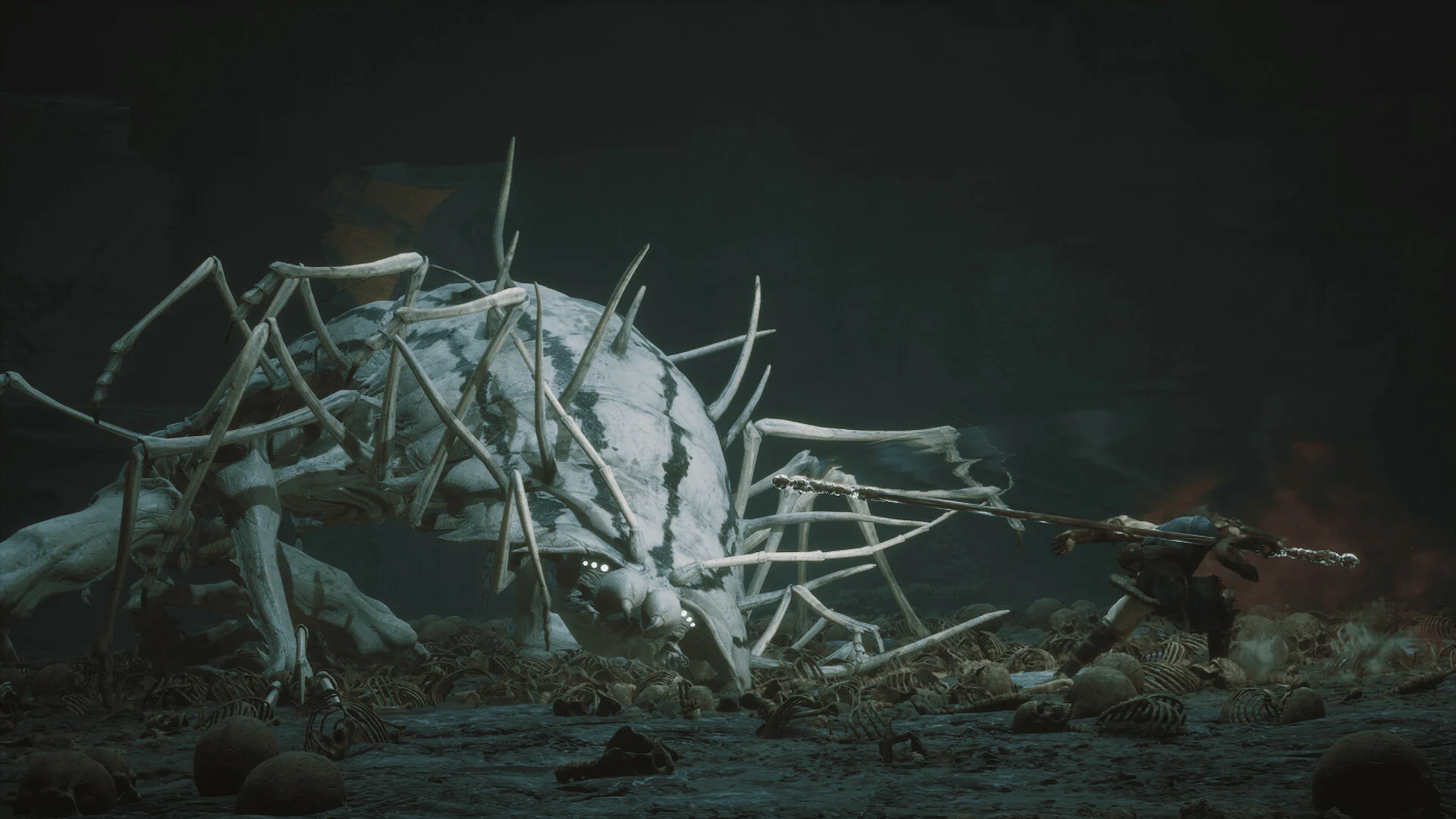
La variedad de combate se amplía cuando los hechizos entran en el equipo. Immobilize, herramientas defensivas de piel de piedra y trucos de movilidad como Cloud Step existen para abrir ventanas — no para sustituir el bastón. Solo podéis mantener un conjunto limitado entre descansos en el santuario, lo que obliga a decisiones de carga reales antes de capítulos duros. Los espíritus capturados de los yaoguai derrotados añaden técnicas de ráfaga más cortas, mientras que las transformaciones completas os prestan temporalmente una barra de vida aparte y un repertorio distinto, tomado del enemigo superado.
Esos momentos de cambio de forma son donde Black Myth: Wukong se siente más juguetón sin convertirse en comedia. Convertir un duelo desesperado en una breve inversión de papeles evita que los intentos largos de jefe se sientan idénticos. Quienes exploran y disfrutan coleccionar herramientas a lo largo de una campaña también pueden apreciar cómo Indiana Jones and the Great Circle construye sus escenas espectaculares alrededor de la improvisación con artilugios, aunque el tono sea aventura de pulp y no tragedia mítica.
Capítulos marcados por el lugar y el folclore
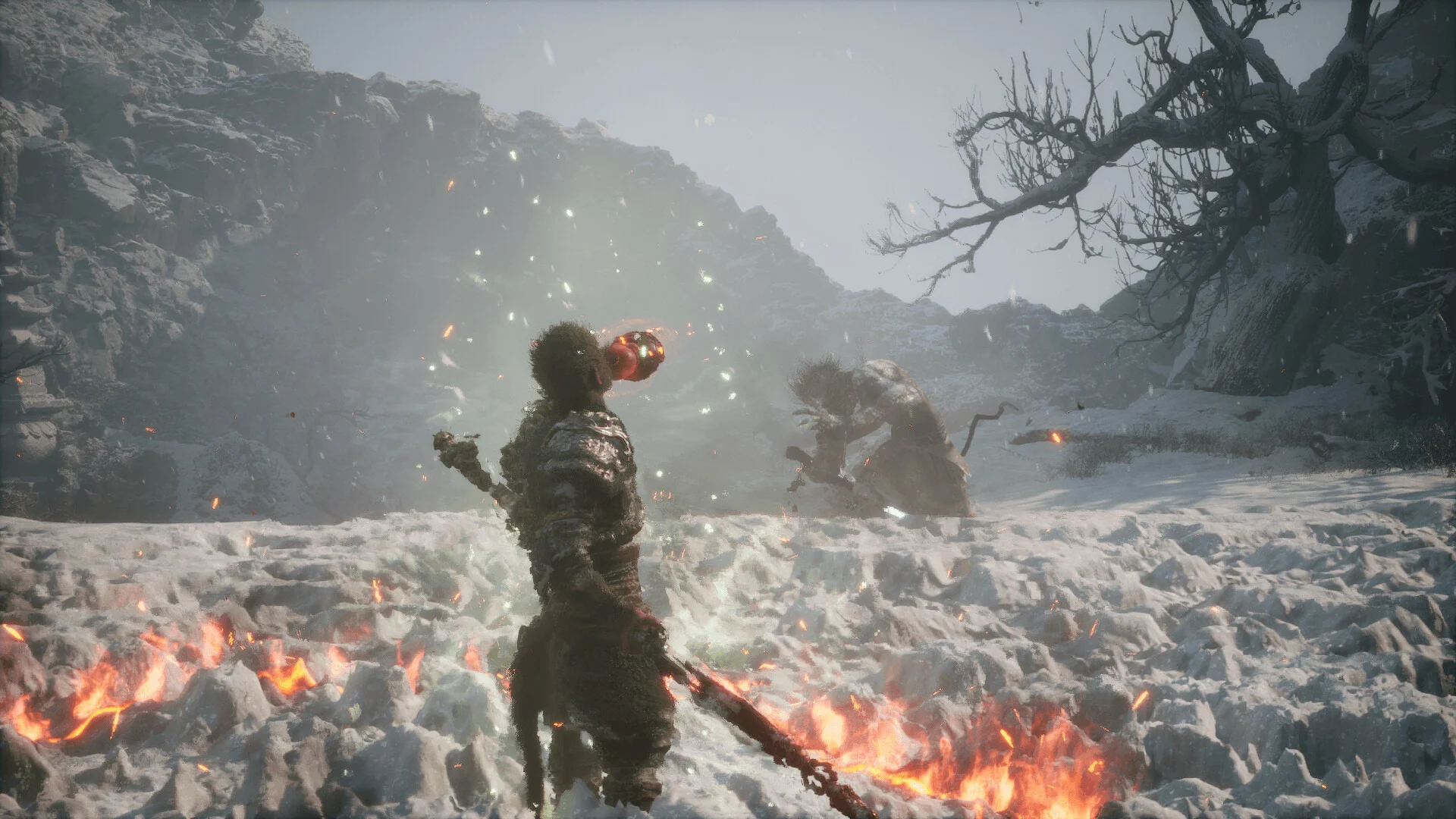
Los niveles están en gran medida dirigidos más que ser cajas de arena de mundo abierto, y aun así dejan sitio a senderos laterales, jefes opcionales y narración visual a través de santuarios, murales y encuentros con PNJ. Cada capítulo se apoya en una identidad de bioma distinta — bosques con niebla, valles chamuscados, alturas nevadas —, de modo que el progreso se siente como viajar por una leyenda, no como un pasillo de arenas idénticas. El silencio del Predestinado deja que el mundo y el elenco de apoyo carguen el ambiente, lo que encaja con quien prefiere atmósfera frente a charla constante.
Si vuestra biblioteca ya incluye viajes tensos y autorales por paisajes hostiles, Metro Exodus ofrece otra presión de supervivencia, con armas de fuego y filtros en lugar de formas de bastón. Los fans de acción con inclinación al terror que quieran espacios más estrechos y angustia industrial pueden pasar a Dead Space tras el arco mítico de Wukong — un buen contraste que sigue valorando el uso cuidadoso de recursos.
Presentación en PC y a quién le encaja
En PC, Black Myth: Wukong es visualmente ambicioso: follaje denso, efectos de hechizo cargados de partículas e intros cinematográficas de jefes que se benefician de una GPU capaz y de controladores gráficos actualizados. El rendimiento ha mejorado con parches desde el lanzamiento, pero el juego sigue premiando ajustar los preajustes gráficos en lugar de asumir que cada máquina puede maximizar cada efecto. Los mandos se sienten naturales para el tempo de esquiva; teclado y ratón siguen siendo plenamente viables para quien prefiere ese estilo de entrada.
El punto dulce de público está claro. Hay que disfrutar jefes exigentes, estar dispuestos a descansar en santuarios y replantear una carga de hechizos, y tener curiosidad por las imágenes de Viaje al Oeste presentadas con el ritmo de un action RPG moderno. Es menos ideal si queréis bucles multijugador infinitos o una aventura puramente narrativa sin fricción de combate. Para un cajón de arena más suelto de recolección de criaturas tras una campaña en solitario dura, Palworld está en el extremo opuesto del espectro de intensidad — contraste útil, no un sustituto.
Por qué el Predestinado sigue importando
Black Myth: Wukong triunfó comercialmente porque los tráileres vendían espectáculo, pero perdura para los jugadores porque el arsenal de combate sigue creciendo de formas significativas. Cambios de postura, gasto de Focus, ráfagas de espíritus y transformaciones completas dan a los intentos repetidos de jefe un sentido de descubrimiento en lugar de puro desgaste. El marco folclórico no es decorado de escaparate; informa el diseño enemigo, la fantasía de transformación y la melancolía callada bajo las peleas más llamativas.
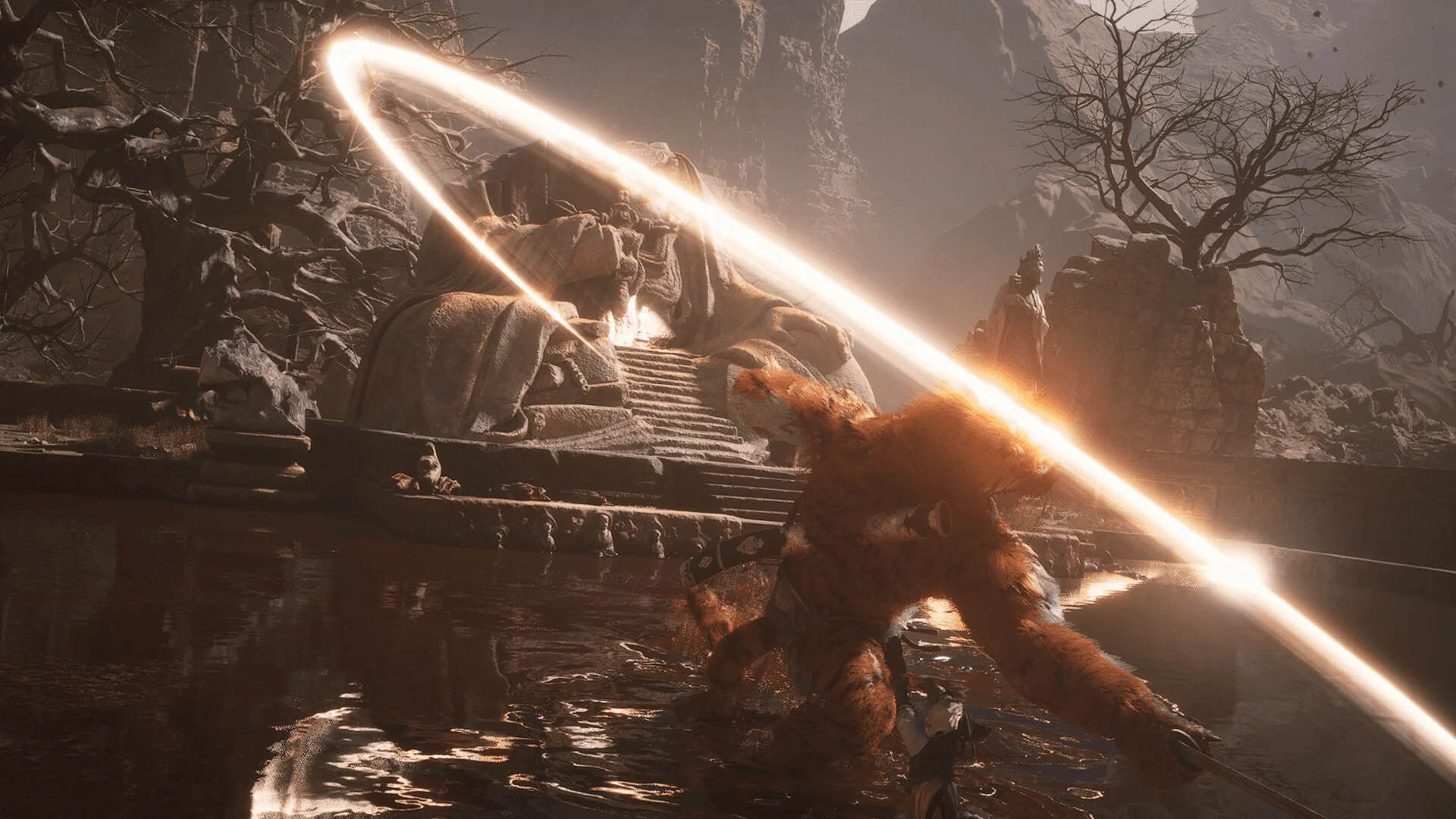
Si queréis un action RPG autónomo construido alrededor del dominio del bastón y el oficio de jefes míticos, Black Myth: Wukong en Urazon es el lugar para empezar el viaje del Predestinado en PC, sin cazar entre anuncios ruidosos de mercado.