




Indiana Jones Great Circle — foco de aventura


MachineGames no construyó Indiana Jones and the Great Circle como un reskin de Wolfenstein con fedora. La aventura en primera persona del estudio se apoya en el desplazamiento con látigo, el cuerpo a cuerpo improvisado, el sigilo por espacios ocupados y salas de puzles que premian la curiosidad frente a vaciar cargadores. Las armas existen, pero disparar una suele ser el error más ruidoso que podéis cometer — una decisión de diseño que por fin trata a Indy como un revoltijo de ingenio, puños y timing afortunado, no como un avatar de disparos a la carrera.
Ambientado en una cacería alrededor del globo ligada al misterioso Great Circle, el juego se mueve entre pasillos del Vaticano, excavaciones en el desierto y otros hitos pulp al ritmo de un serial: infiltrarse, observar, resolver, escapar. Indiana Jones and the Great Circle está en su mejor momento cuando os sentís un poco mal preparados, con una sartén o una botella de vino porque el plan elegante ya se vino abajo dos salas atrás.
Inmersión en primera persona sin piloto automático de shooter
Jugar con los ojos de Indy hace táctil la improvisación del inventario. Escaneáis escritorios en busca de distracciones, probáis anclajes del látigo para atajos y decidís si un disfraz aguantará la mirada de un guardia. Tramos ocasionales de trepar en tercera persona rompen el punto de vista lo justo para aclarar el platforming y os devuelven bajo el ala del sombrero. Ese híbrido mantiene Indiana Jones and the Great Circle legible sin abandonar el pedigrí en primera persona de MachineGames.
Si queréis otro viaje escrito que aún valore el posicionamiento cuidadoso, Metro Exodus cambia látigos por filtros y naturaleza en superficie. Quienes prefieren la presión silenciosa en horror industrial pueden virar a Alien: Isolation, donde la improvisación es el único plan de supervivencia — un primo más duro del sigilo pulp de Indy.

Sigilo, disfraces y peleas a puñetazos desordenadas
El sigilo aquí es cinético, no glacial. Distracciones a las patrullas, derribos ambientales y rutas disfrazadas os dejan seguir en movimiento si leéis bien las líneas de visión. Cuando saltan los puños, las peleas son cortas, sucias y dependen del último objeto que agarrasteis — más cerca de una trifulca en el sótano de un museo que de un fighter de arena equilibrado. El látigo cose combate y desplazamiento: tirar de un enemigo, cruzar un hueco o comprar un segundo mientras reinterpretáis la sala.
Ese sabor improvisado encaja de forma interesante con otras aventuras de PC que premian el uso de herramientas. God of War Ragnarök es más espectáculo mítico que arqueología, pero comparte el gusto por espacios-problema de set piece. Para un despeje táctico moderno en lugar de infiltración pulp, Ready or Not pide disciplina bajo reglas de enfrentamiento muy distintas.
Puzles, pistas de cámara y Adventure Points
El misterio no se limita a las cinemáticas. Puzles de campo, enigmas opcionales y una cámara que puede resaltar pistas os empujan a mirar dos veces murales, mecanismos y salas montadas. Completar objetivos alimenta Adventure Points en el kit de Indy, así que la exploración tiene un pago mecánico más allá de las notas de lore. Indiana Jones and the Great Circle os quiere cotillas — el tipo de jugador que abre cada puerta lateral antes de perseguir el camino crítico.
Los coleccionistas de mundo abierto que disfrutan mapas más densos después de una aventura lineal pueden saltar a Marvel's Spider-Man 2, mientras los fans de la fantasía de precisión a larga distancia se descomprimen con Sniper Elite 5. Ninguno sustituye la fantasía del fedora; ambos rascan picazones vecinas de acción escrita entre tramos de puzle más quietos.
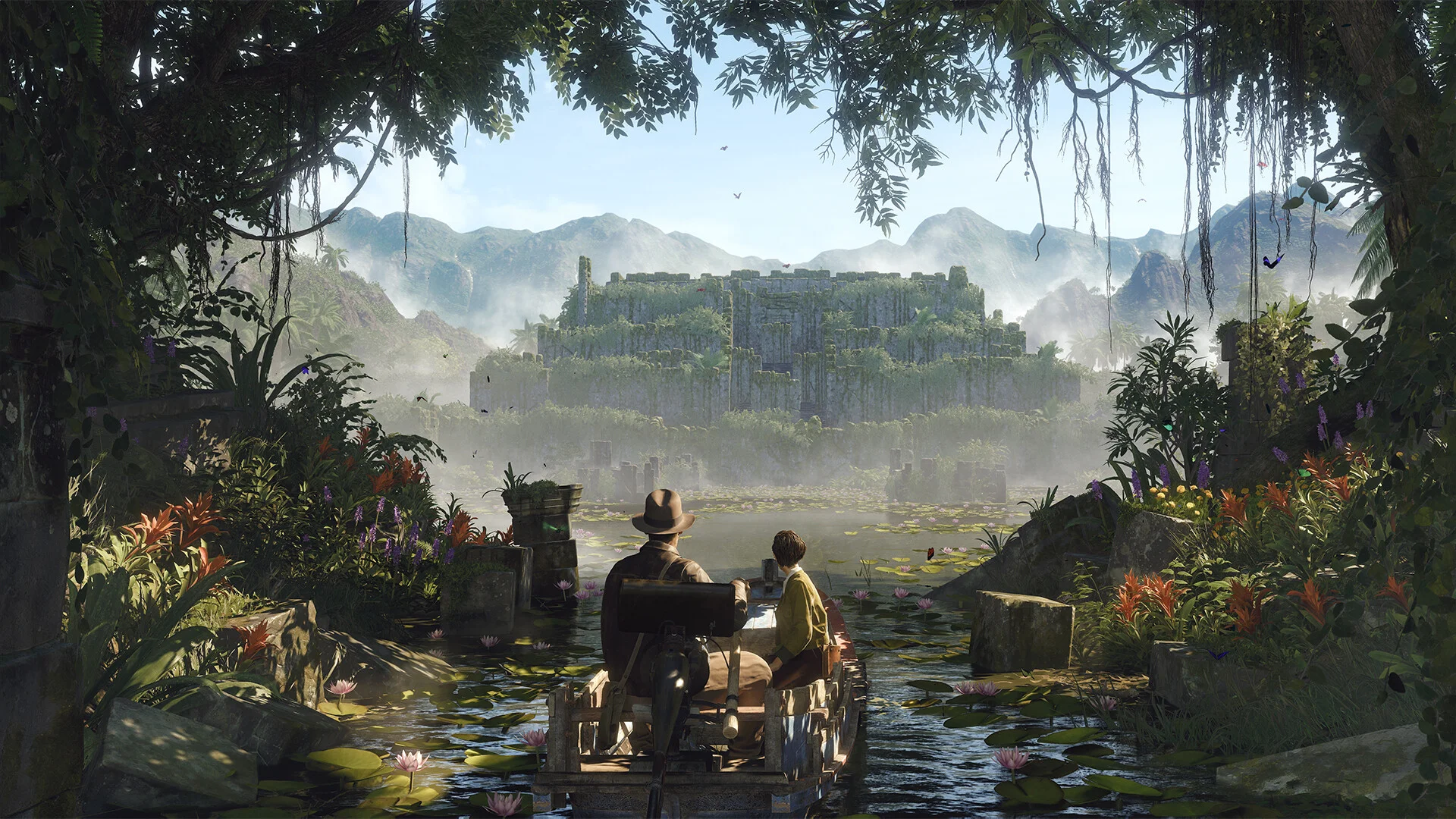
Quién debería excavar el Great Circle
En PC, Indiana Jones and the Great Circle se beneficia de una lectura en primera persona clara y de un esquema de control que sostiene asomarse, lanzar y apuntar el látigo sin convertir cada encuentro en un tiroteo. Encaja con jugadores a los que gustaba el sigilo afín a las simulaciones inmersivas, el ritmo de aventura clásica y las historias que tratan los espacios ocupados por nazis primero como puzles. Es menos ideal si queréis disparos continuos o un bucle de servicio vivo tras los créditos.
Los viajeros muy narrativos que comparan tono también pueden mirar The Last of Us Part II Remastered por un drama de personajes con los pies en el suelo en un marco de género muy distinto. Los fans del combate mítico que cierren el rastro de Indy pueden ir hacia Black Myth: Wukong por duelos de bastón que no comparten nada de la contención de Indy — y ese contraste es exactamente el punto.
Por qué esta aventura de Indy funciona
Indiana Jones and the Great Circle funciona porque los sistemas protegen la fantasía del personaje: pensar primero, balancearse después, disparar al final. Disfraces, atajos de látigo y cuerpo a cuerpo de fortuna mantienen los fallos entretenidos en lugar de binarios. La estructura alrededor del globo entrega variedad pulp sin abandonar la columna vertebral de sigilo y puzle que hace específico el enfoque de MachineGames.
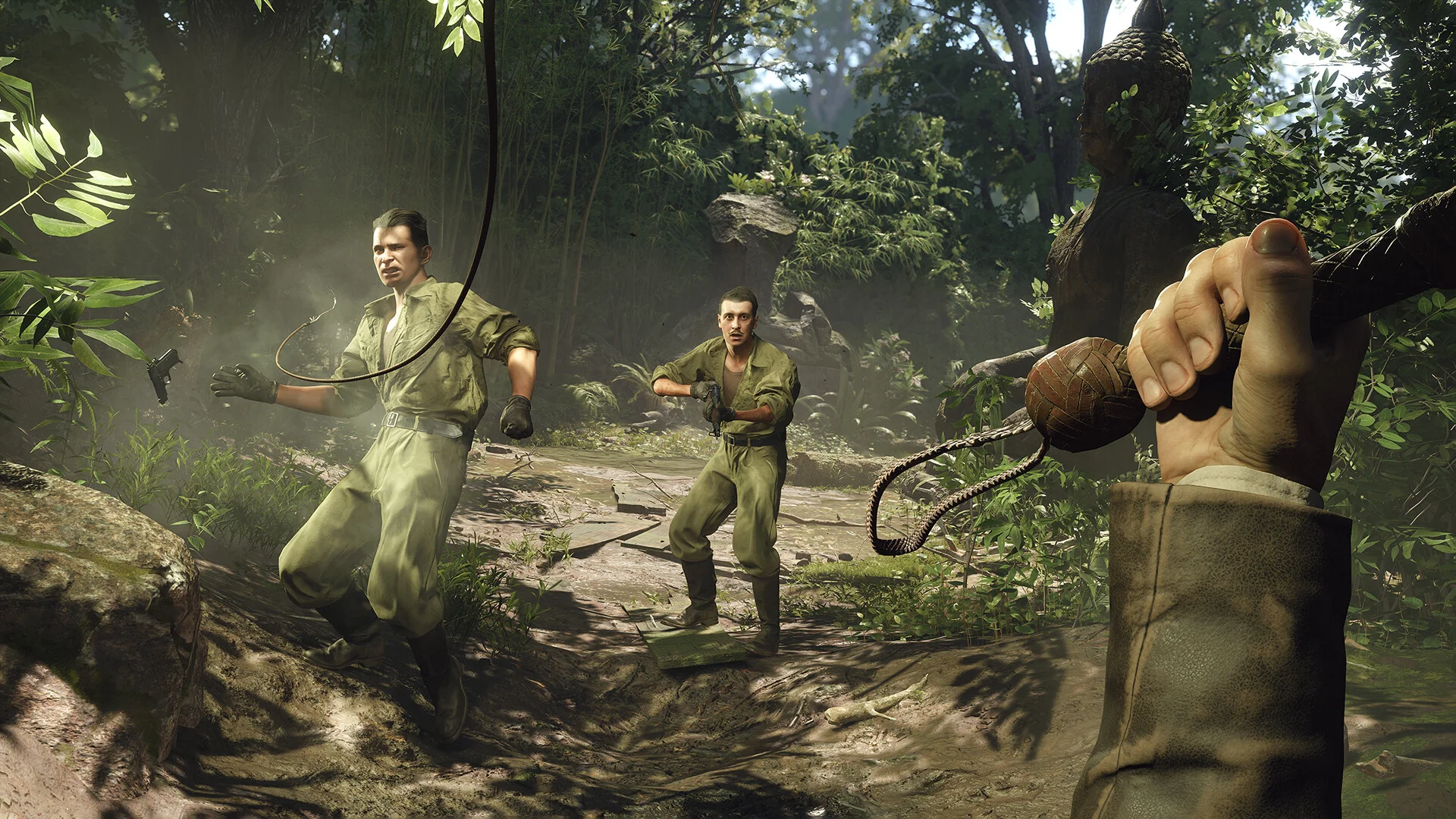
Si queréis una aventura en primera persona construida alrededor del oficio del látigo y la travesura arqueológica, Indiana Jones and the Great Circle en Urazon es una forma limpia de empezar la excavación en PC.