




Marvel's Spider-Man 2 — Open-World-Spotlight

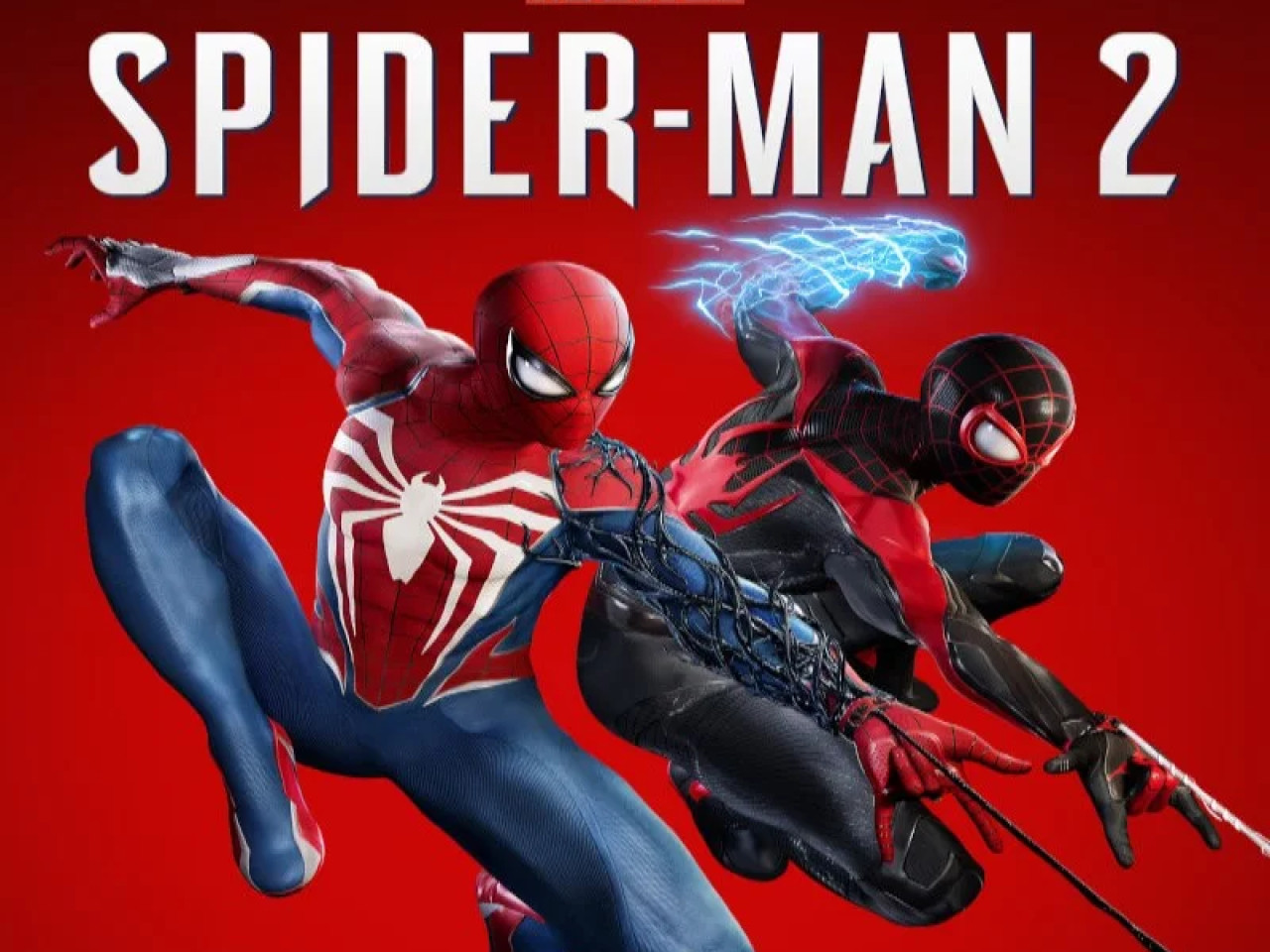
Insomniacs Sequel behandelt New York nicht als Kulisse, an der du zwischen Cutscenes vorbeischaust. Marvel's Spider-Man 2 setzt Peter Parker und Miles Morales auf dieselbe Karte und verlangt, dass du schnelleres Schwingen, härtere Kämpfe und zwei persönliche Krisen gleichzeitig spürst. Die Kampagne bleibt eine straff inszenierte Superheldengeschichte, aber die Stadt selbst — jetzt bis nach Brooklyn, Queens und Wahrzeichen wie Coney Island — macht die Fantasie zweier Spider-Men greifbar für PC-Spieler, die auf Nixxes’ Port gewartet haben.
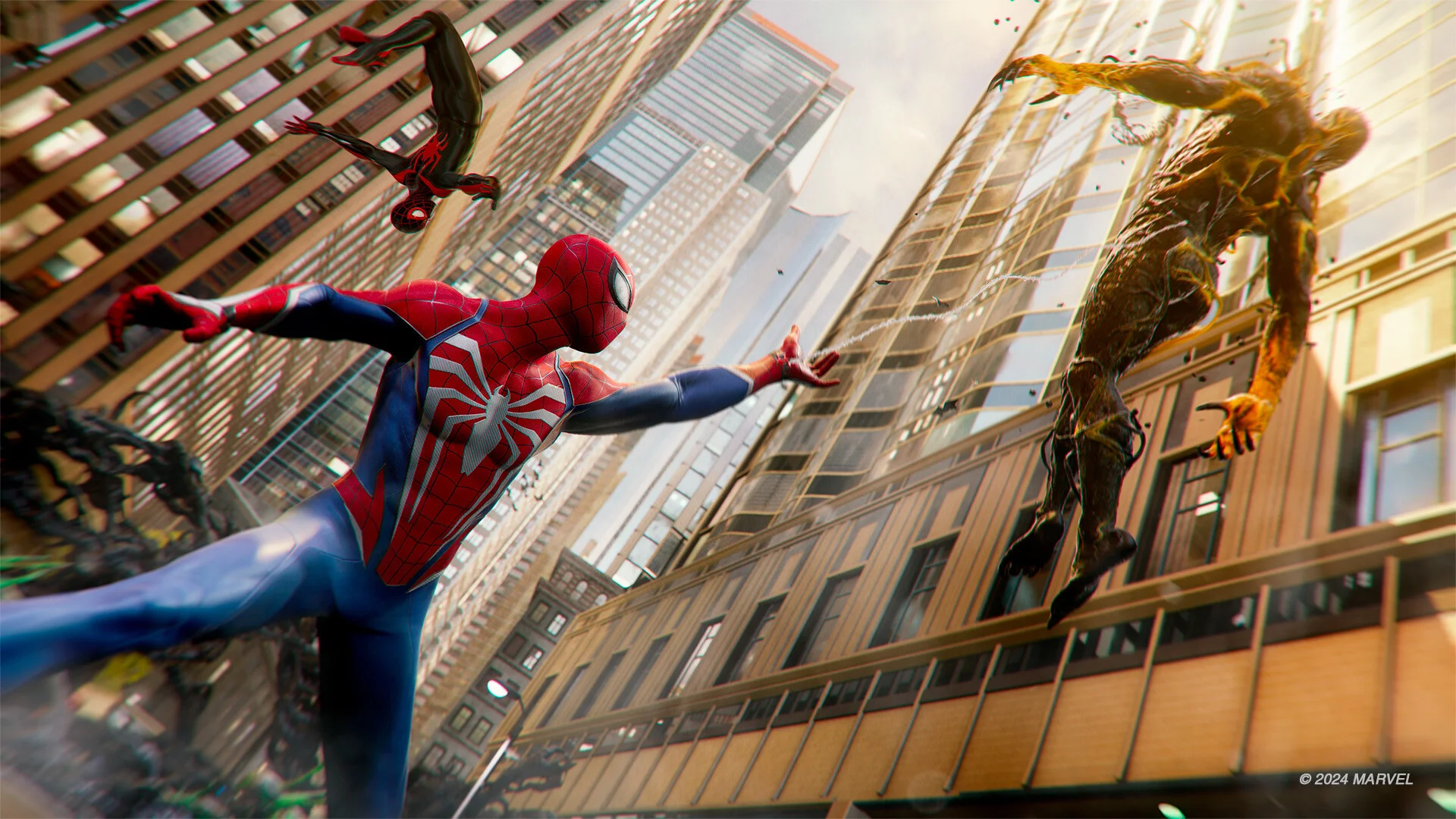
Was Marvel's Spider-Man 2 von einer simplen Power-Fantasy-Checkliste trennt, ist, wie Traversal und Kampf einander verstärken. Web Wings machen lange Gleitflüge zu bewussten Routen über die Boroughs. Symbionten-Werkzeuge geben Peter einen dunkleren Aggressionsschub, der das Kampftempo ändert, während Miles sein bioelektrisches Toolkit für Crowd Control und stealth-lastige Ansätze behält. Du wechselst nicht nur Skins; du wechselst Problemlösungsstile mitten in der Mission.
Zwei Spider-Men, eine eskalierende Stadt
Open-World-Segmente lassen dich zwischen Peter und Miles im freien Erkunden wechseln, und das zählt mehr als ein Novelty-Schalter. Nebenaktivitäten, Nachbarschaftsgeschichten und Kampfherausforderungen fühlen sich oft auf die Stärken eines Helden abgestimmt an, sodass Erkunden als Miles anders wirkt als denselben Block als Peter zu räumen. Diese Dual-Protagonist-Struktur hält Marvel's Spider-Man 2 davon ab, in ein einziges Upgrade-Laufband zu kippen, selbst wenn die Karte dicht mit Icons ist.
Wenn du cineastische Character-Action magst, die trotzdem Raum zum Herumwandern lässt, bietet God of War Ragnarök einen vergleichbaren Appetit auf Setpiece-Drama in einem lineareren Paket. Für eine andere Art städtischen Chaos nach dem Schwingen tauscht Borderlands 4 heldenhafte Zurückhaltung gegen Co-op-Looter-Komödie — nützlicher Kontrast statt Ersatz für Insomniacs Ton.
Symbionten-Druck und Villain-Setpieces
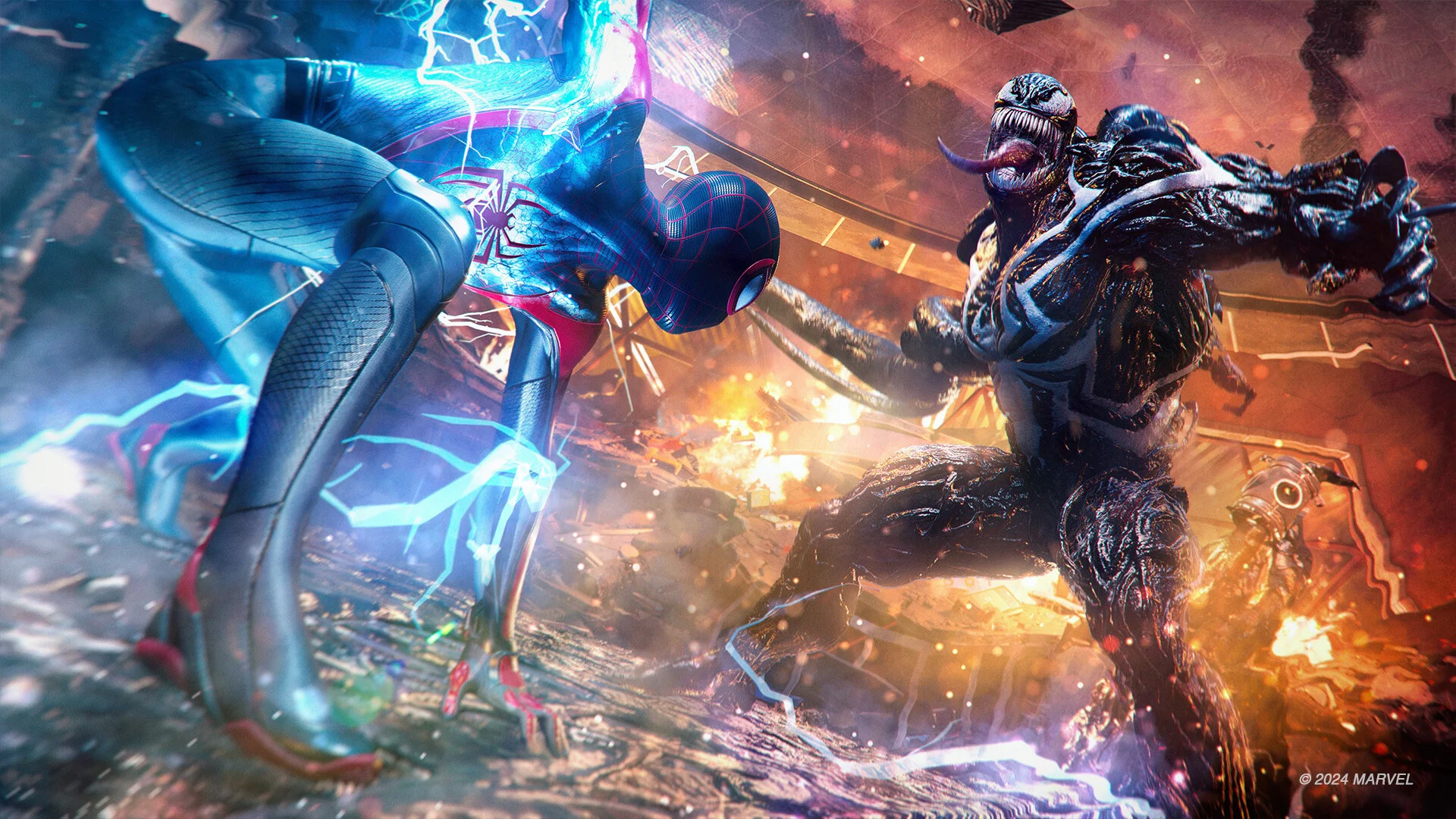
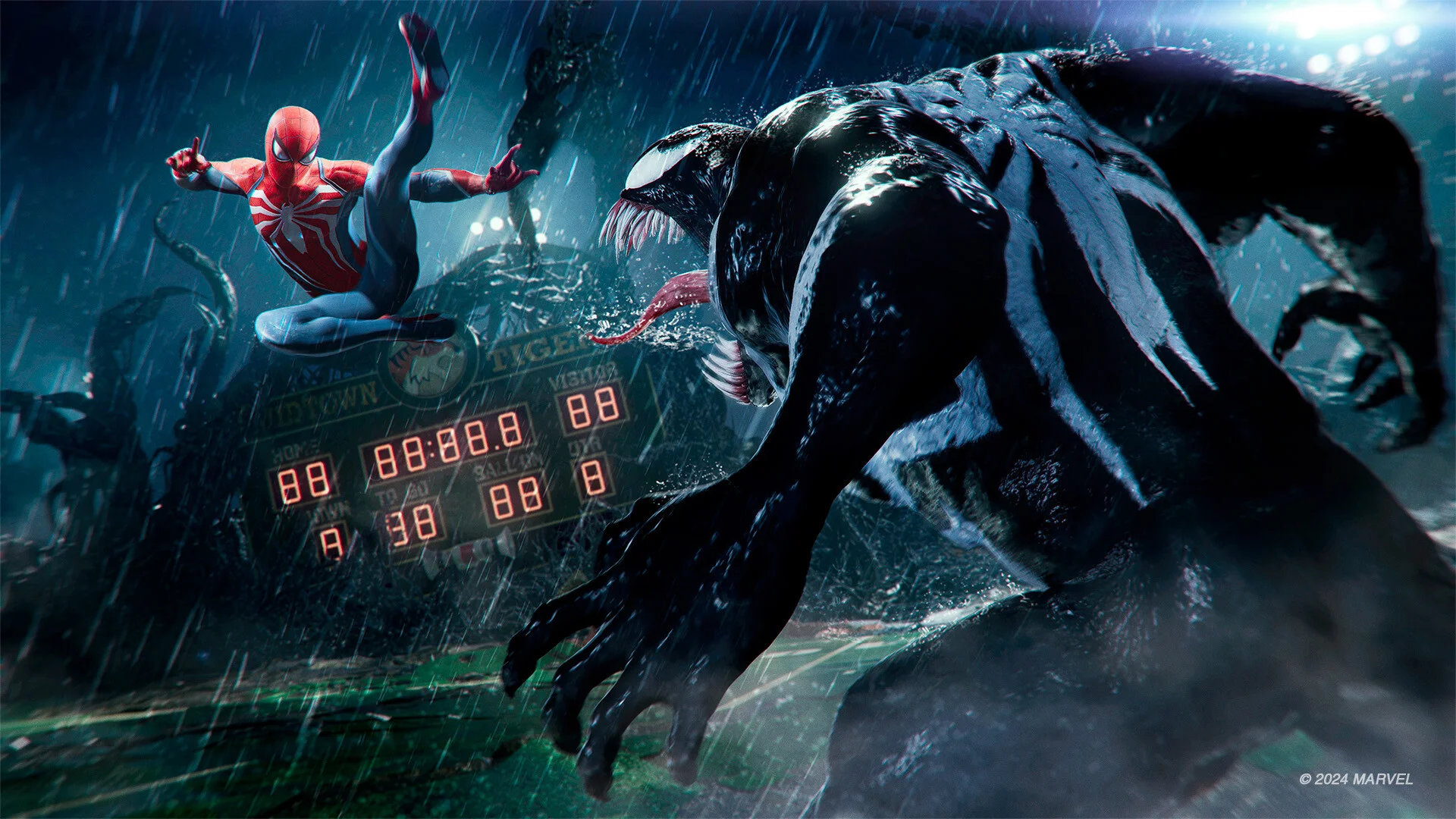
Die Story fädelt Venom und Kraven durch eine Kampagne, die Peters neue Kraft erst berauschend und dann gefährlich spüren lassen will. Kampfbegegnungen eskalieren von Straßengangs zu größeren Setpieces, in denen Symbionten-Schübe und Gadget-Loadouts entscheiden, ob ein Fight sauber endet oder chaotisch wird. Miles’ Kit bleibt das klarere Gegengewicht — weniger Korruptionsfantasie, mehr präzise Störung —, damit Dual-Helden-Missionen nicht identisch wirken.
Bossdesign setzt weiter auf Spektakel, aber Marvel's Spider-Man 2 ist am stärksten, wenn die Arena vertikale Fluchtwege und Zivilistenchaos zum Managen gibt. Spieler, die gespannte, inszenierte Konfrontationen in geerdeten Settings mögen, schätzen vielleicht auch die langsamere Bedrohung von The Last of Us Part II Remastered, während Stealth-und-Gadget-Improvisierer zu Indiana Jones and the Great Circle für Ego-Problemlösung ohne Web-Shooter wechseln können.
Traversal als der echte Skill-Check
Web-Swinging war immer die Signatur der Reihe, und dieses Sequel schärft sie mit Web Wings, engerem Momentum und einem größeren spielbaren Footprint. Zu lernen, wann man taucht, gleitet und eine Weblinie neu verbindet, ist die halbe Freude am freien Erkunden. Foto-Gelegenheiten und optionale Challenges belohnen Spieler, die die Skyline als Spielplatz behandeln statt als Ladescreen zwischen Missionen.
Diese kinetische Freiheit sitzt weit weg von methodischen FPS-Kampagnen, doch Fans bewusster Bewegung unter Druck mögen trotzdem, wie Sniper Elite 5 Positionierung zur ganzen Fantasie macht. Wer nach Wochen Luftkampf mythischen Nahkampf will, bietet Black Myth: Wukong Stab-Stances und Boss-Handwerk in einem völlig anderen kulturellen Register.
PC-Präsentation und wer sich den Anzug anziehen sollte
Am PC profitiert Marvel's Spider-Man 2 von Nixxes’ üblicher Options-Tiefe: Ultrawide-Support, Upscaling-Pfade und Grafik-Toggles, die zählen, sobald du High-Speed-Swings durch dichte Geometrie kettst. Das Spiel sieht am besten aus, wenn Crowd-Dichte und Effekte stabil bleiben, deshalb fahren Midrange-Systeme oft besser, wenn sie Frame-Konsistenz über jede Raytracing-Checkbox stellen. Controller fühlen sich natürlich für Luftsteuerung an; Maus und Tastatur bleiben brauchbar für Spieler, die präzise Kamerakontrolle im Kampf bevorzugen.
Das ist der richtige Kauf, wenn du eine moderne Superhelden-Kampagne mit Dual-Protagonisten, einem größeren New York zum Meistern und Kampf willst, der Gadgets mit auffälligeren Power-Spikes mischt. Weniger ideal, wenn du Missionsstruktur in Open Maps nicht magst oder rein kompetitives Multiplayer bevorzugst. Für eine lockerere Kreaturen-Sandbox nach den Credits sitzt Palworld am entgegengesetzten Ende der Intensitätsskala.
Warum das Sequel noch hart schwingt
Marvel's Spider-Man 2 gelingt, wenn Bewegung, Dual-Helden-Fantasie und Villain-Druck im Gespräch miteinander bleiben. Die erweiterten Boroughs geben dem Schwingen neue Ziele, während Symbionten- und Venom-Kräfte Kämpfe davon abhalten, in den Takt des Vorgängers zurückzufallen. Es bleibt Insomniacs Marke polierten Blockbuster-Designs — zugängliche Systeme, cineastische Peaks und eine Stadt, die Neugier zwischen Story-Beats belohnt.
Wenn du beide Spider-Men auf einem PC-Save haben willst, ist Marvel's Spider-Man 2 auf Urazon ein gerader Einstieg in die Dual-Helden-Kampagne, ohne sich durch laute Marktplatz-Listings zu wühlen.