




Metro Exodus — Postapokalyptisches Spotlight

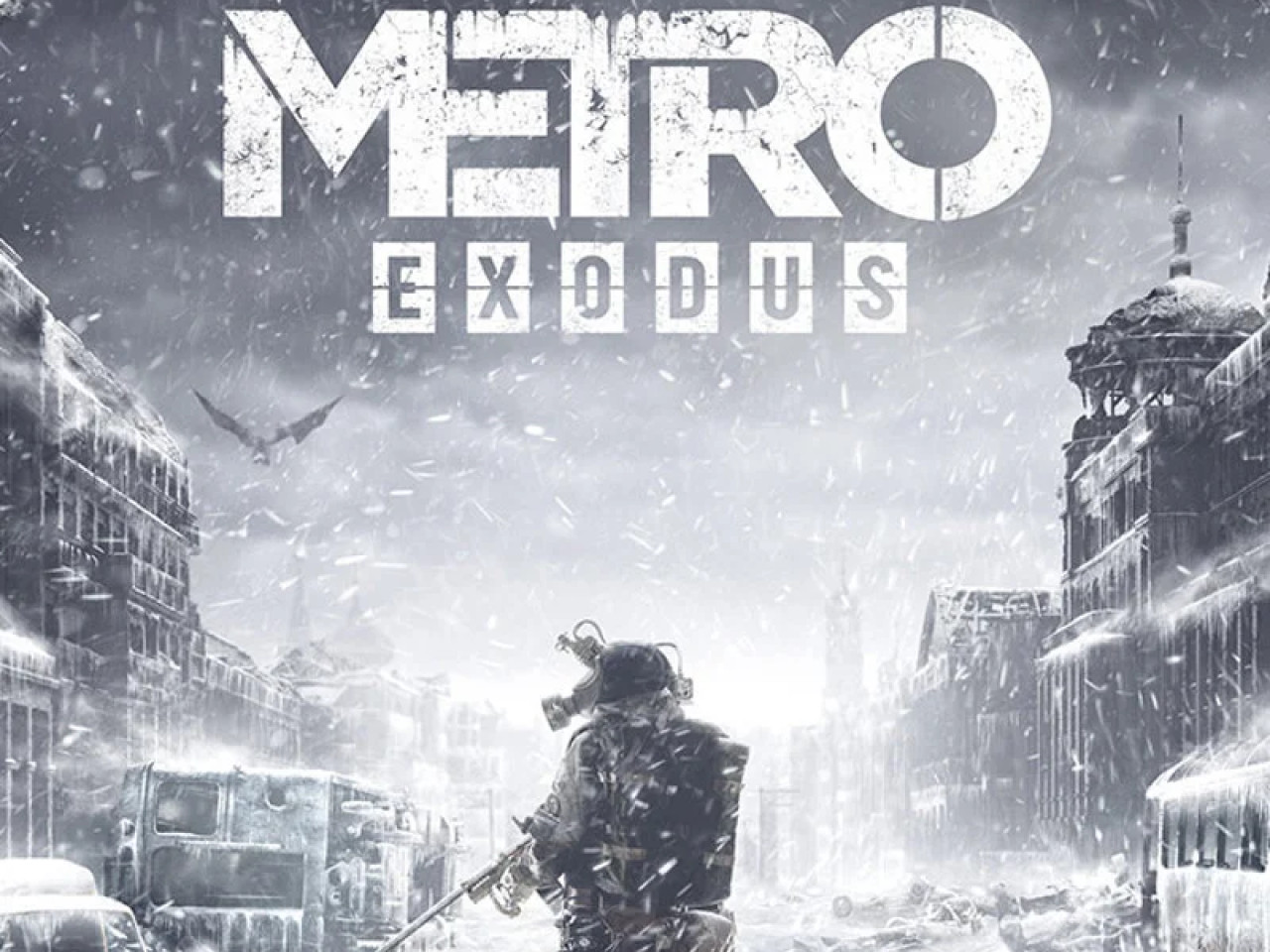
Metro Exodus stellt eine Frage, die die meisten postapokalyptischen Shooter umgehen: was passiert, nachdem du den Bunker verlässt? Artyom und eine kleine Gruppe Überlebender fliehen aus den verstrahlten Tunneln unter Moskau und stoßen auf die russische Oberfläche — Schnee, Flüsse, Mutantengebiete und fragile Siedlungen, die Gesellschaft aus Resten neu gebaut haben. Der Wechsel von klaustrophobischem Korridorkampf zu offener, saisonaler Wildnis ist die definierende Wette des Spiels, und sie geht weitgehend auf, weil 4A Games nie vergisst, dass Knappheit weiter jede Begegnung regiert.
Metro Exodus ist kein Looter-Shooter im Pelzmantel. Crafting, Waffenmodding und moralische Entscheidungen setzen die Metro-Linie fort, aber jede große Region verhält sich wie ein halb offenes Kapitel mit eigener Politik, eigenem Wetter und eigenen Bedrohungen. Du kannst dem kritischen Pfad zum nächsten Waggon der Aurora folgen oder für optionale Begegnungen abbiegen, die Geduld mit Lore, Ausrüstung und ruhigeren Charaktermomenten belohnen. Diese Struktur gibt der Kampagne einen Reisetagebuch-Rhythmus, der in linearem FPS-Design selten ist — und deshalb fühlt sich das Spiel Jahre nach dem Launch noch frisch an.
Von Metro-Tunneln in die offene russische Wildnis
Die ersten Stunden stellen vertraute Spannung wieder her: Gasmaskenfilter, die herunterticken, flackernde Stirnlampen-Akkus und die gedämpfte Panik einer Gesellschaft, die sich vom nuklearen Winter nie erholt hat. Sobald die Aurora-Lokomotive zur mobilen Basis wird, öffnet Metro Exodus jedoch große Sandbox-Karten, auf denen Erkundung freiwillig, aber narrativ belohnt ist. Wolga-Siedlungen, Waldkommunen und Wüstenaußenposten führen jeweils neue Fraktionen mit widersprüchlichen Werten ein — Pazifisten, Sklavenhalter, Technokraten — ohne die Action für lange Exposition anzuhalten.
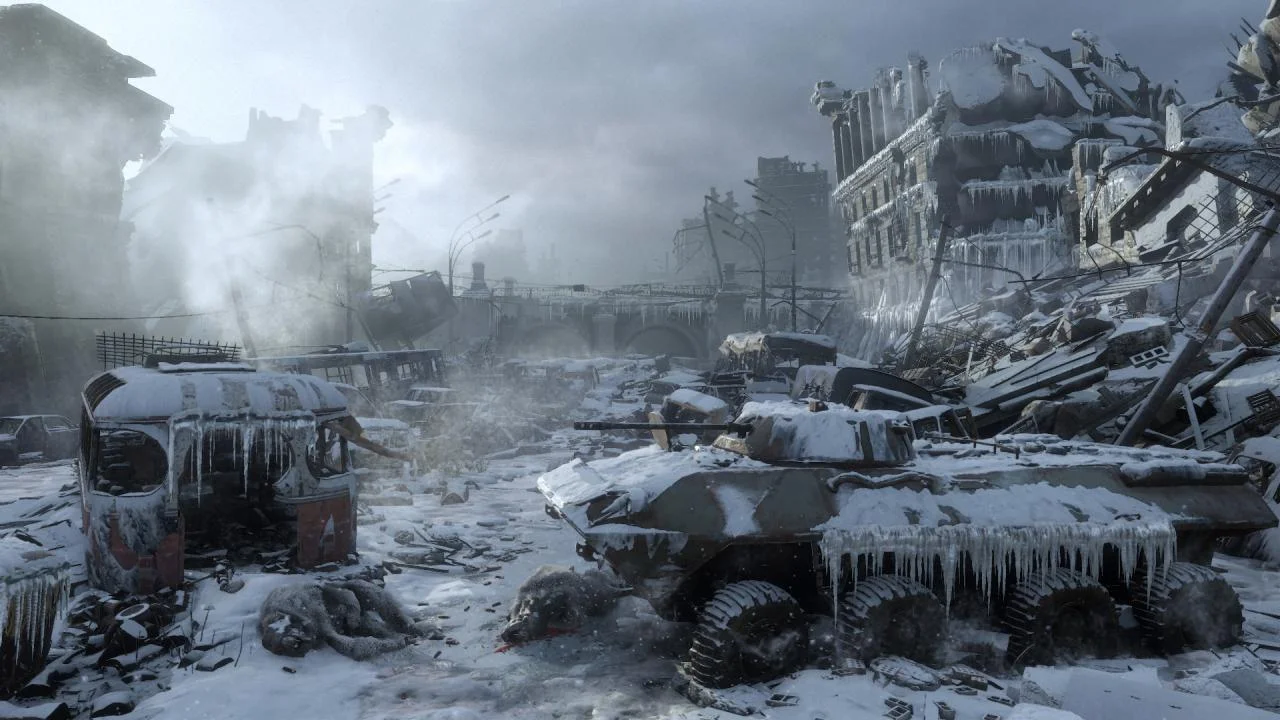
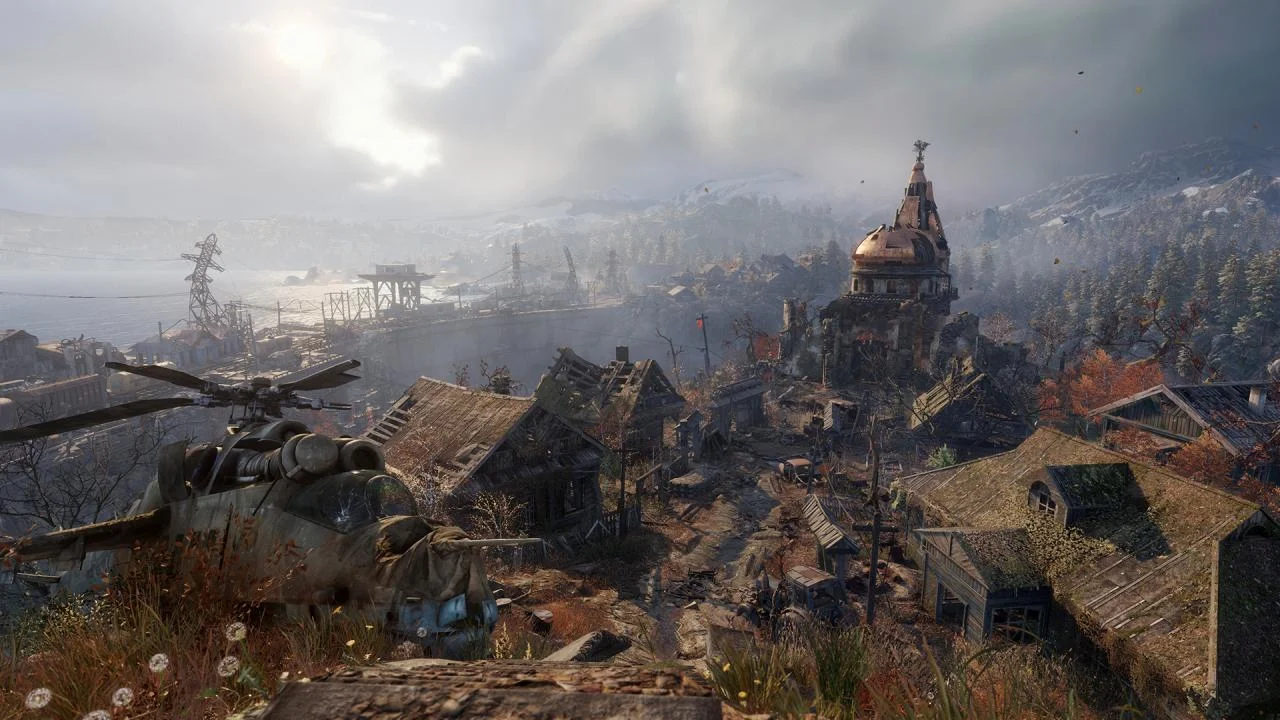
Jahreszeiten zählen mechanisch ebenso wie atmosphärisch. Winterkapitel verlangsamen Bewegung und verändern Sicht; Sommerabschnitte weiten Sichtlinien, setzen dich aber anderen Raubtiermustern aus. Das Spiel nutzt den Maßstab der Umgebung, um Isolation zu verkaufen: du räumst keinen Häuserblock, du durchquerst ein Tal, in dem Schüsse mehr anlocken können als die Gegner, die du siehst. Spieler, die strukturierte Open Worlds mit Questmarkern bevorzugen, finden das Tempo bewusst, aber Fans immersiver, sim-naher Erkundung schätzen, wie viel Optionalität abseits der ausgetretenen Pfade liegt.
Kampf, der Vorbereitung belohnt, nicht Spray-and-Pray
Feuergefechte in Metro Exodus behalten die brutale Ökonomie der Reihe. Selbstgemachte Munitionsarten legen nahe, Waffen an Werkbänken an Bord der Aurora zu modden, bevor du dich einer Mission verpflichtest, und Schalldämpfer zählen, wenn Stealth einen Außenposten günstiger räumt als ein Frontalangriff. Mutanten treffen aus der Nähe hart; menschliche Gegner nutzen Deckung und Flanken, wenn du deine Position verrätst. Das Spiel erwartet, dass du ein Gebiet scannst, die Windrichtung für ablenkende Wurfwaffen notierst und entscheidest, ob ein Armbrustbolzen in diesem Kapitel mehr wert ist als eine Schrotpatrone.
Diese Ressourcen-Spannung passt natürlich zu anderen survival-lastigen Shootern am PC. Wenn du unter Druck in Dead Space plünderst, bietet Metro Exodus eine andere Form von Verletzlichkeit — Oberflächenluft statt Vakuum, aber dasselbe Gefühl, dass jeder Inventarplatz verdient wurde. Für breitere postapokalyptische Erkundung kratzt Fallout 76 einen ergänzenden Juckreiz mit persistenten Online-Welten, während Exodus seine Story über klare Regionen straff inszeniert hält.
Charakterdrama an Bord der Aurora
Artyom bleibt ein weitgehend stiller Protagonist, doch Metro Exodus investiert stark in die Crew, die sich die Aurora teilt. Abendszenen, Wartungsarbeiten und Streit am Radiotisch vermenschlichen Gefährten, die bloße Questverkäufer hätten sein können. Deine Entscheidungen in Missionen — Gegner verschonen, Vorräte stehlen, Fraktionen unterstützen — speisen zurück, wer dir vertraut, wenn das nächste Kapitel beginnt. Das System ist leichter als eine volle RPG-Moraltafel, gibt aber Wiederspielwert jenseits von Schwierigkeitsschiebern.
Audiodesign trägt viel der emotionalen Last. Russische Sprachleistungen und lokalisiertes Funkgeplapper erden das Setting, ohne enzyklopädisches Lore-Wissen zu verlangen. Wenn der Zug in ein neues Biom rollt, wechselt der Score von industrieller Percussion zu klagenden Streichern und signalisiert, dass die Oberfläche größer und fremder ist als alles, was Artyom unter Moskau sah. Narrative Horror-Fans, die die Slow-Burn-Spannung in The Last of Us Part 2 Remastered schätzten, erkennen denselben Respekt für stille Momente zwischen Setpieces — auch wenn Metro Exodus Ego-Gunplay im Zentrum hält.
Bildhandwerk und Leistung am PC
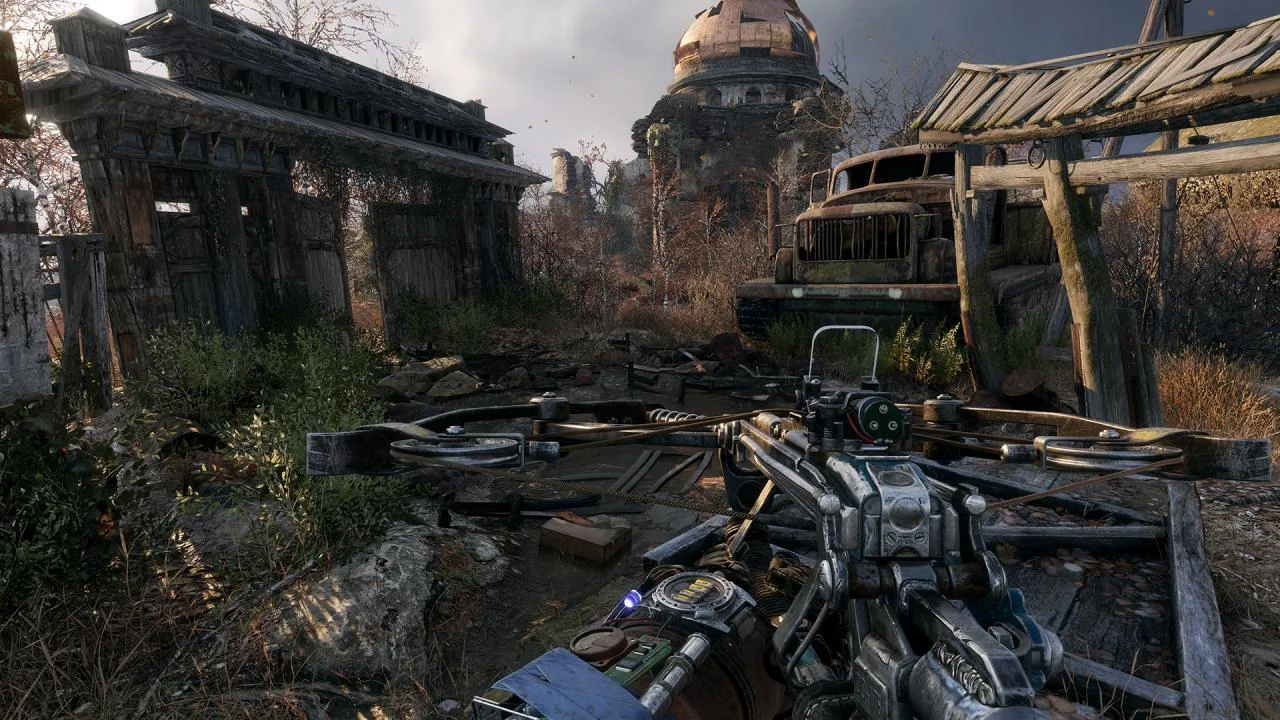
Metro Exodus baute seinen Ruf auf anspruchsvolles, aber prächtiges Rendering — globale Beleuchtung, detailliertes Wetter und partikelreiche Feuergefechte, die mit modernen Patches und Enhanced Editions weiter halten. PC-Spieler profitieren von umfangreichen Grafik-Toggles, die von Mainstream-GPUs bis zu Enthusiasten-Rigs skalieren, die höhere Framerates in 4K jagen. Raytracing-Global Illumination in unterstützten Builds fügt Bunkern und Lagerfeuerszenen subtilen Bounce-Light hinzu, ohne das Spiel zum Tech-Demo zu machen, das Spielbarkeit vergisst.
Zugänglichkeitsoptionen wurden mit der Zeit besser: breitere Schwierigkeitsvorgaben, Aim-Assist-Schichten und Komfort-Tweaks für Filterverwaltung helfen Einsteigern, die Oberfläche zu überleben, ohne Hardcore-Modi zu verwässern. Wer nach der Kampagne kooperative Survival gegen Horden sucht, bietet Back 4 Blood eine teambasierte Alternative, während Dying Light: The Beast in Parkour-Horror in einem anderen Post-Outbreak-Setting geht.
Wer heute die Aurora besteigen sollte
Metro Exodus liegt Spielern, die einen storygetriebenen FPS mit Raum zum Atmen zwischen Feuergefechten wollen — Entdecker, die Notizen lesen, Waffen sorgfältig modden und akzeptieren, dass die Oberfläche selbst auf niedrigeren Schwierigkeiten feindlich bleibt. Weniger ideal für ein Publikum, das rein lineare Arcade-Action oder endlose Live-Service-Modi sucht. Stärken sind unverwechselbare Atmosphäre, einprägsame Setpiece-Regionen und ein befriedigender Abschluss von Artyoms Bogen für Neueinsteiger und zurückkehrende Metro-Fans.
Horror-Fans, die gespannte Einzelspieler-Kampagnen vergleichen, können auch Resident Evil 7: Biohazard Gold Edition für klaustrophobische Ego-Schocks in einem ganz anderen Setting ansehen. Wenn du selbst die Aurora besteigen willst, liefert Metro Exodus auf Urazon die vollständige Oberflächenreise für PC-Spieler, die inszeniertes Survival-Erzählen wollen, ohne den Epic-Katalog zu verlassen.