




Split Fiction — Koop-Abenteuer im Fokus

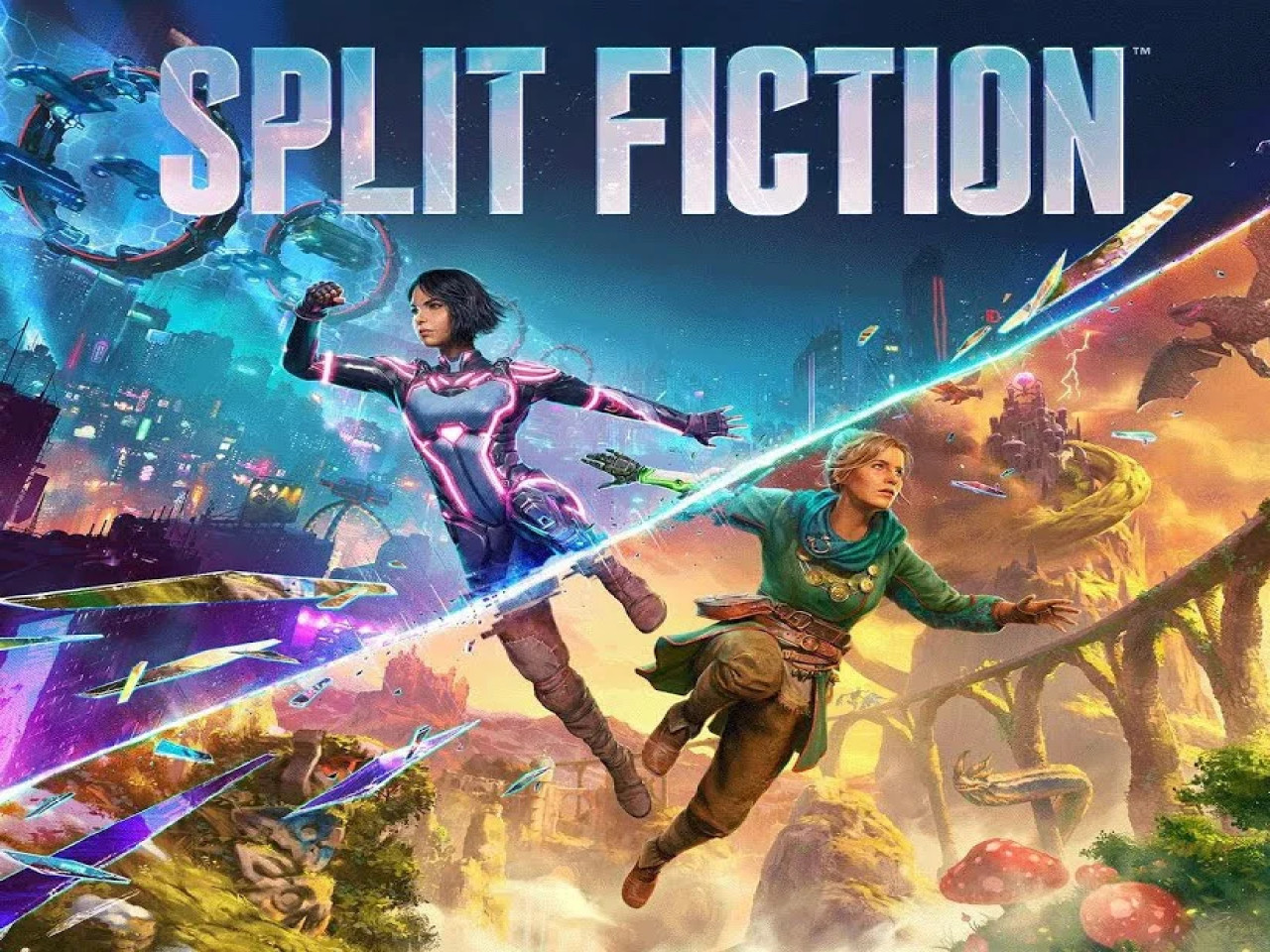
Die meisten Koop-Spiele bitten zwei Spieler, ein Loadout zu teilen oder sich zwischen Feuergefechten wiederzubeleben. Split Fiction fragt etwas Seltsameres: Was, wenn zwei Autorinnen in die unfertigen Welten gezogen werden, die sie geschaffen haben — eine aus hartem Sci-Fi, die andere aus High Fantasy — und kooperieren müssen, bevor eine Konzernmaschine ihre Imaginationen ausbeutet? Dieses Setup ist der gesamte Motor hinter Hazelights neuestem Zwei-Spieler-Abenteuer, und es landet mit demselben verspielten Ernst, der A Way Out und It Takes Two unter Couch-Koop-Fans zu Hausnamen machte.
Split Fiction folgt Mio und Zoe, Autorinnen, die sich auf einer Publisher-Showcase treffen und merken, dass ihre Genres so laut aufeinanderprallen wie ihre Persönlichkeiten. Ein Gerät, das kreative Arbeit digitalisieren soll, verschmilzt ihre Manuskripte stattdessen zu einer einzigen instabilen Realität. Drachen teilen den Luftraum mit Cyber-Ninjas. Trolle streiten mit robotischen Parkplatzwärtern. Das Ergebnis ist kein Chaos um des Chaos willen — jeder Szenenwechsel bringt neue Mechaniken, die nur funktionieren, wenn beide Spieler kommunizieren.
Genre-Whiplash als Designfeature
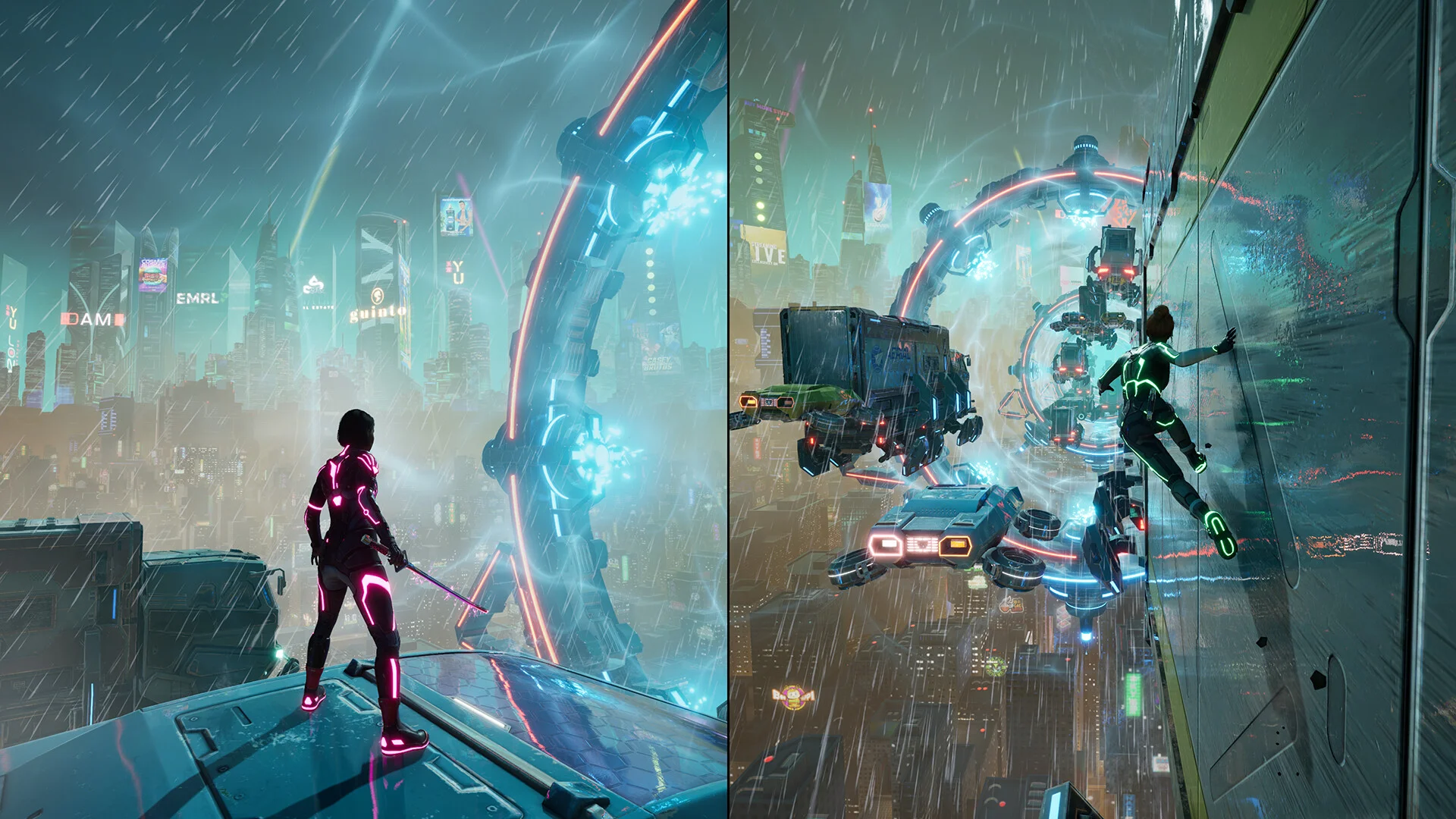
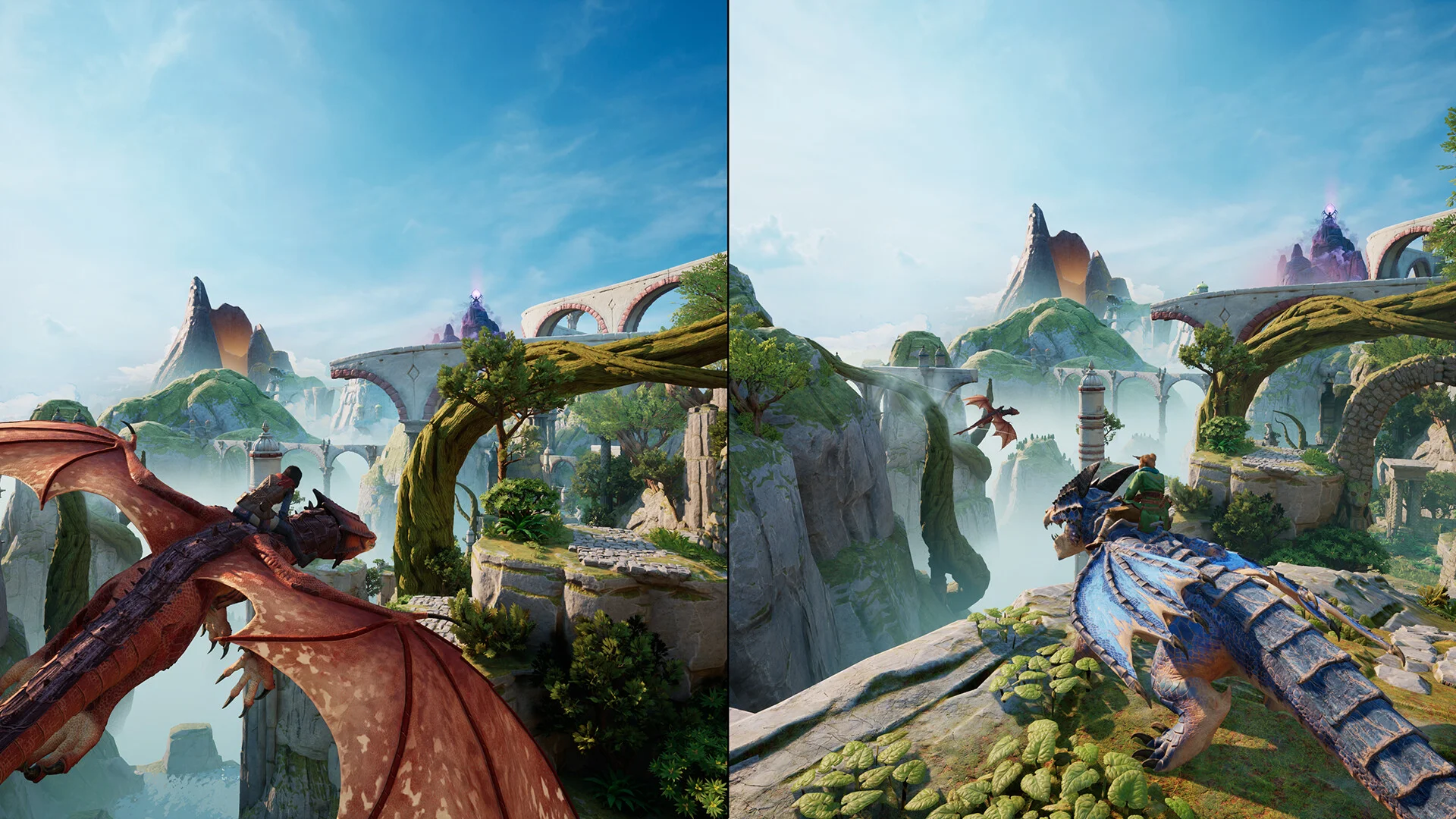
Hazelight hat seinen Ruf darauf gebaut, Kooperation über Levelgeometrie zu erzwingen, und Split Fiction treibt die Idee auf die Spitze, indem die Regeln wechseln, sobald die Geschichte das Genre wechselt. Eine Fantasy-Belagerung kann verlangen, dass eine Spielerin eine Brücke hält, während die andere Magie vom Turm aus steuert. Minuten später tauscht eine Sci-Fi-Jagd Schwerkraft, Deckung und sogar die Kameraperspektive. Die ständige Neuerfindung hält die Kampagne davon ab, in einem einzigen Puzzle-Vokabular zu versanden — wichtig, weil das Spiel für ein paar konzentrierte Sessions gedacht ist, nicht für Monate repetitiver Begegnungen.
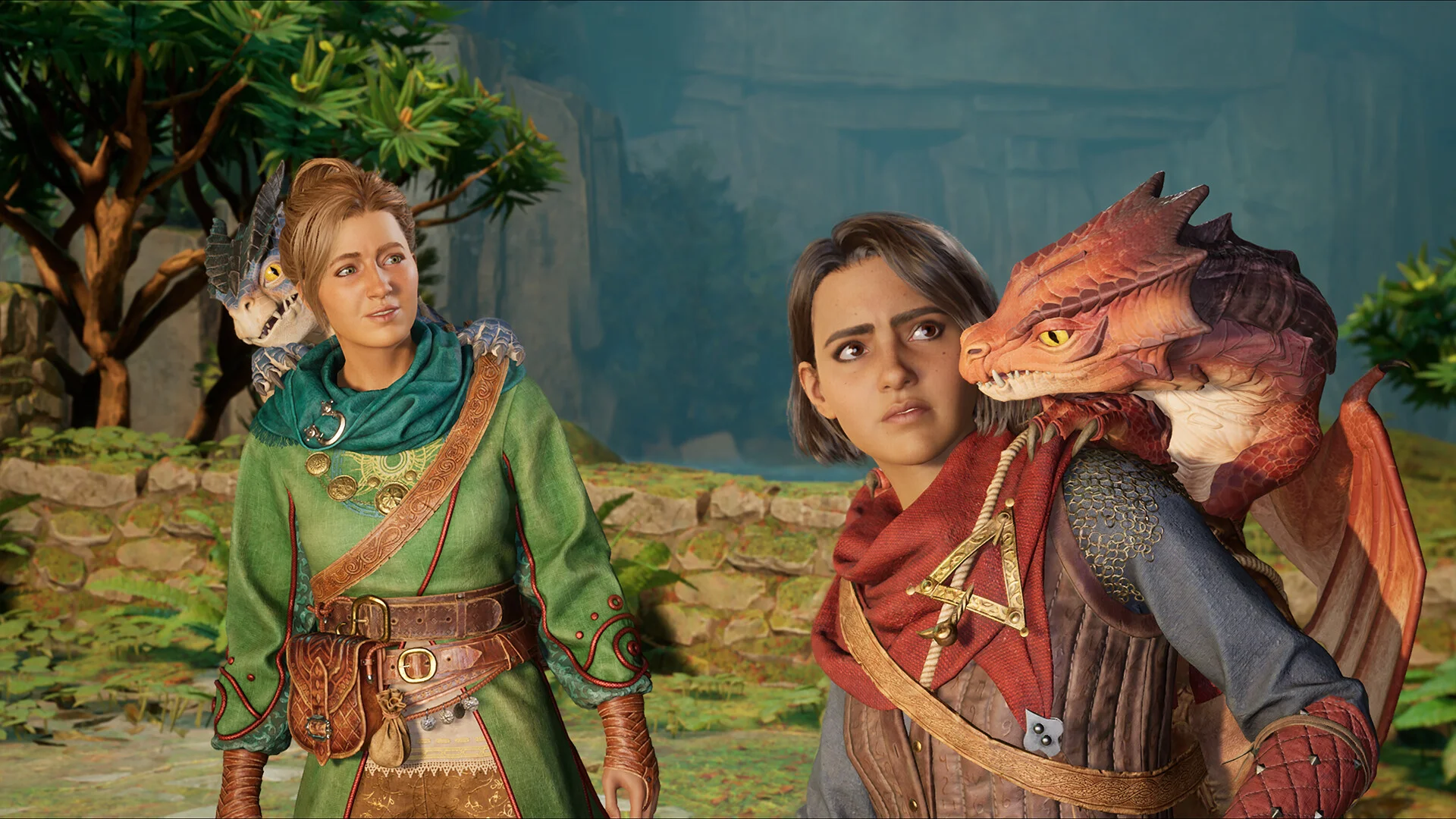
Dieses Tempo passt zu Spielern, die eine komplette Koop-Geschichte wollen, ohne sich auf endlosen Live-Service-Grind einzulassen. Split Fiction ist zuerst eine narrative Achterbahn — die Setpieces prüfen, ob Mio und Zoe einander trauen, wenn ihre kreativen Differenzen zu literalen Hindernissen werden.
Zwei Spieler, ein Bildschirm, null Leerlauf
Split Fiction verlangt jederzeit zwei aktive Teilnehmer. Es gibt keinen optionalen Solomodus mit KI-Partnern, und genau diese Entscheidung definiert das Erlebnis. Rätsel setzen voraus, dass eine Spielerin Informationen sieht, die die andere nicht hat — farbcodierte Schalter, parallele Pfade, Zeitfenster, die erst Sinn ergeben, wenn man sie laut beschreibt. Wenn ihr jemals einen Hazelight-Titel beendet und ihn sofort einer Freundin mit dem zweiten Controller empfohlen habt, ist das derselbe Sozialvertrag: eine Kopie kaufen, eine Partnerin mitbringen, durch jedes Kapitel reden.
Der Freundschaftsbogen zwischen Mio und Zoe gibt diesen Mechaniken emotionales Gewicht. Frühe Reibung spielt auf Komödie — Fantasy-Tropen gegen Sci-Fi-Pragmatismus —, aber die Geschichte fordert beide Charaktere allmählich auf, Stärken aus dem Genre der anderen zu leihen. Split Fiction hält Fehlschläge zudem verzeihend genug, dass Experimentieren belohnt statt bestraft wird; ihr lernt den Rhythmus jedes Genres durch Ausprobieren, Reden und gelegentliches Lachen über einen schlecht getimten Sprung. Spieler, die kompetitives Multiplayer bevorzugen, finden hier wenig Halt. Split Fiction ist für Haushalte, Paare und Freunde, die eine geteilte Erinnerung wollen, kein Leaderboard-Ranking.
Vergleich mit Hazelights früheren Arbeiten
Fans von A Way Out erkennen das Split-Perspektiven-Erzählen des Studios, wobei Split Fiction Gefängnisausbruch-Grit durch autoriale Laune ersetzt. Der Ton ist leichter, die Palette heller, die mechanische Vielfalt breiter — näher an einem Themenpark-Rundgang durch zwei Imaginationen als an einem geerdeten Krimidrama.
Wenn eure Koop-Bibliothek zu kurzen Party-Sessions neigt, bietet Overcooked Special Edition einen ganz anderen Rhythmus — hektisches Küchen-Timing statt narrativer Setpieces —, füllt aber denselben Wochenend-Slot für Gruppen, die kurzen, wiederholbaren Chaos einem einzigen geskripteten Abenteuer vorziehen.
Für wen das Abenteuer wirklich ist
Split Fiction liegt Spielern, die Koop-Design schätzen, das man nicht allein erleben kann. Die Rätsel sind für zwei menschliche Köpfe geschrieben, nicht für eine Einzelspielerin, die Charaktere wechselt. Es spricht auch Gruppen an, die einen klaren Anfang, Mittelteil und ein Ende wollen — einen kompletten Storybogen ohne saisonale Updates oder optionale Grind-Schleifen.
PC-Spieler, die in Solo-Stunden Action-RPG-Tiefe mögen, könnten Split Fiction im Regal mit schwereren Titeln wie Dragon's Dogma: Dark Arisen kontrastieren: ein Spiel für einsame Erkundung, das andere für geteiltes narratives Spiel. Story-fokussierte Gruppen, die charaktergetriebenes Tempo bevorzugen, könnten als Nächstes in Persona 4 Golden drehen — völlig anderes Genre, aber dieselbe Wertschätzung für starke Persönlichkeiten, die die Handlung tragen.
Warum Split Fiction 2026 heraussticht
Der Koop-Markt ist voll mit Shootern und Survival-Sandboxes, doch wenige Titel behandeln Zwei-Spieler-Zusammenarbeit als narratives Premise statt als Matchmaking-Häkchen. Split Fiction tut das — jeder Genrewechsel verstärkt die Idee, dass Kreativität kollaborativ, unordentlich und den Schutz vor Konzern-Extraktion wert ist. Die Setpieces sind flashy, aber die darunterliegende Botschaft hält die Kampagne geerdet, selbst wenn Trolle und Raumschiffe denselben Frame teilen.
Erwartet ein Spiel, das Geduld, Kommunikation und die Bereitschaft belohnt, zu lachen, wenn ein Rätsel beim dritten Versuch schiefgeht. Es ist nicht das längste Abenteuer am PC, aber es ist darauf ausgelegt, in Erinnerung zu bleiben — die Art Koop-Geschichte, auf die Spieler lange nach dem Abspann verweisen, wenn jemand fragt, was man als Nächstes zusammen spielen soll.
Wenn ihr eine Zwei-Spieler-Erzählung wollt, die zwischen Sci-Fi und Fantasy wechselt, ohne die emotionale Linie zu verlieren, liefert Split Fiction Hazelights Signatur-Koop-Handwerk in einem frischen Setting — gebaut für ein Setup, zwei Spieler und einen Abend, der zum vollen Wochenende wird, sobald der nächste Kapitel-Hook sitzt.