




Die 10 besten FPS-Spiele 2026

Ego-Shooter 2026 haben mit den Korridor-Crawlern, die das Genre vor einem Jahrzehnt prägten, wenig gemein. Smartere Gegnerroutinen, schärfere Beleuchtung und Zerstörung, straffere Squad-Taktik und Matchmaking, das eure Zeit respektiert, haben die Basis angehoben, wie sich ein modernes Feuergefecht anfühlen sollte. Ob ranked Ladder, Vier-Spieler-Koop-Extraction oder eine Einzelspieler-Kampagne auf höheren Schwierigkeiten: Das FPS-Regal ist deutlich vielfältiger als „schneller klicken als das andere Team“.
Diese Evolution hat auch geändert, wie Spieler Spiele kaufen. Statt zum Start nach Schachteln zu jagen und zu hoffen, dass die Server leben, wachsen die meisten Communities um digitale Bibliotheken, die sich im Hintergrund aktualisieren. Plattformen wie Urazon machen es einfach, Editionen zu vergleichen, einen Key für die Plattform zu holen, die ihr schon nutzt, und in dieselben Multiplayer-Pools zu springen, in denen eure Freunde sind — ohne auf physischen Bestand oder regionale Disc-Sperren zu warten. Die zehn Titel unten sind nicht nach Verkaufscharts gerankt; es sind die Shooter, die unsere Redaktion 2026 weiter empfiehlt, weil jeder einen eigenen Grund liefert, weiterzuspielen, Patchnotes zu lesen oder einer Reihe endlich eine ehrliche Chance zu geben.
Call of Duty: Modern Warfare III
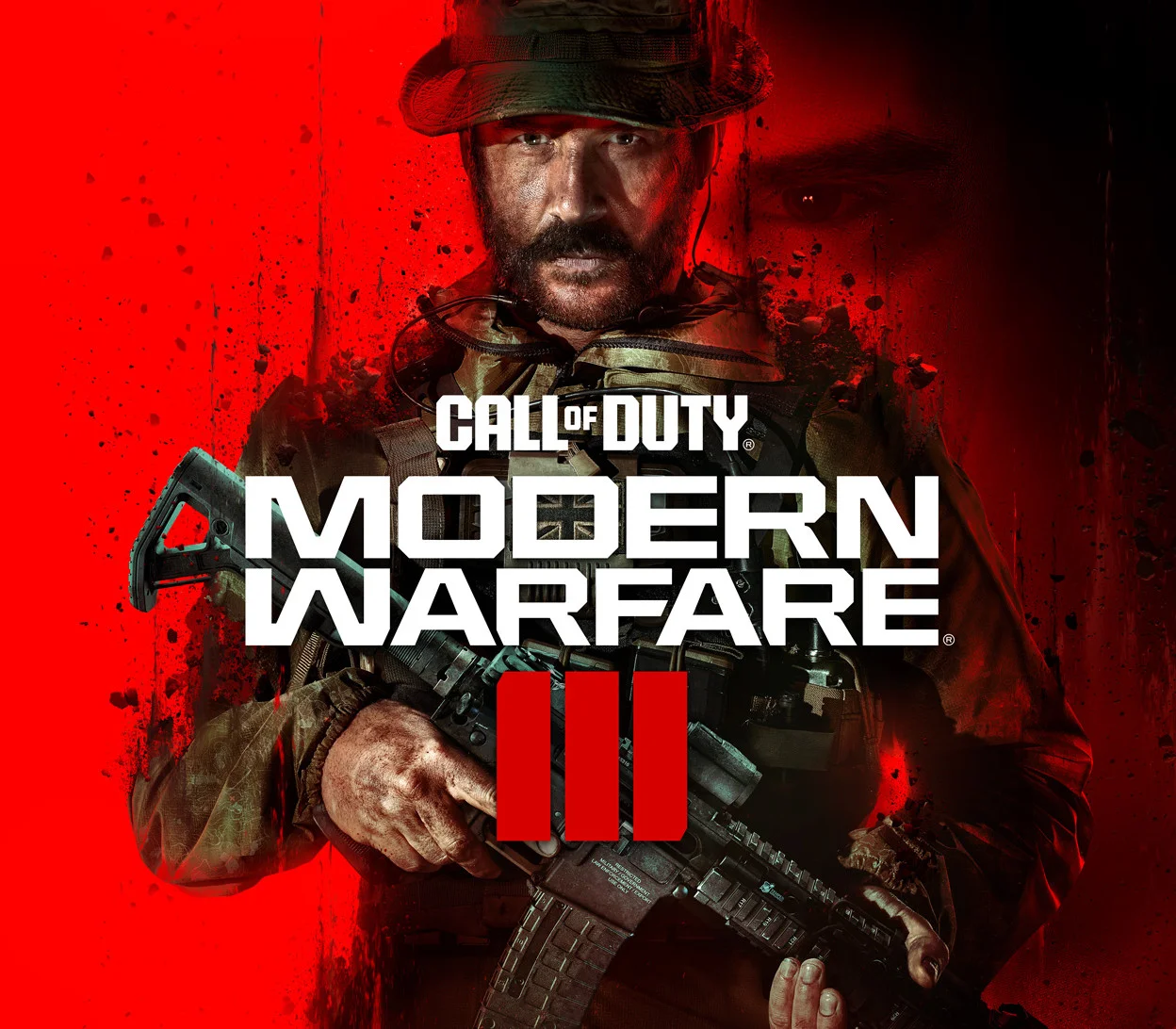
Modern Warfare III verschwindet nicht still, während Activision das breitere Call-of-Duty-Ökosystem weiter füttert. Saisoninhalte, Waffentuning und die gemeinsame Warzone-Ökonomie bedeuten, dass sich die Spielerbasis alle paar Monate erneuert — Veteranen kommen für Map-Rotationen zurück, Neueinsteiger, weil Freunde freitags nichts anderes spielen. Die Kampagne bleibt ein poliertes Tutorial für das Gunfeel, das ins Multiplayer trägt — 2026 wichtig, wenn so viele Shooter nackt starten und später patchen. Grafisch hat sich die Reihe auf einen klaren, lesbaren Look eingeschwungen, der Zielklarheit vor matschigem Realismus stellt, und diese Lesbarkeit hält ältere Hardware in öffentlichen Lobbys konkurrenzfähig. Wer das Release-Jahr wegen Jahreslaunch-Müdigkeit übersprungen hat, findet hier den Einstieg, bei dem späteres Einsteigen unterstützt statt bestraft wirkt. Langfristig bleibt Modern Warfare III eine soziale Plattform im Spielgewand — und für Millionen ist genau diese Schwerkraft der Grund, warum es relevant bleibt.
Call of Duty: Modern Warfare II Cross-Gen Bundle
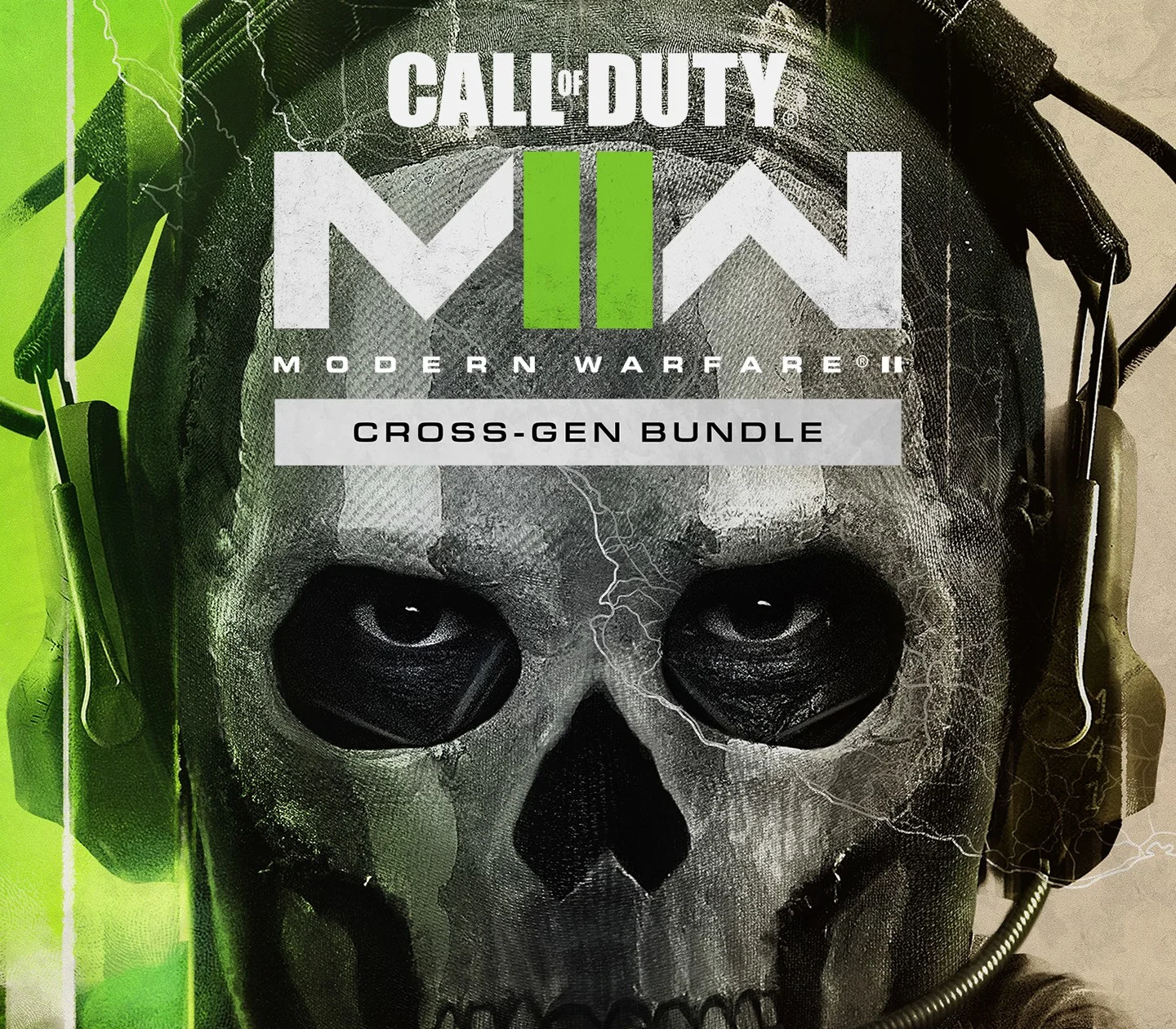
Das Cross-Gen Bundle existiert, weil Konsolengenerationen sich jahrelang überschneiden, nicht wochenweise. Modern Warfare II hält weiter einen riesigen Pool, der langsameres, bedachteres Movement gegenüber den schnelleren Nachfolgern bevorzugt. Der Bundle-Kauf 2026 jagt weniger Day-one-Hype, sondern sichert ein stabiles Multiplayer-Zuhause, das Freunde auf PS4 und PS5 ohne Split teilen. Infinity Wards Maps sind für lesbare Lanes und Mittelstrecken-Duelle gebaut, die Lernkurve bleibt freundlich für Spieler aus Battle-Royale-Gewohnheiten. Wiederspielwert kommt aus Meisterschaft — Camos freischalten, Loadouts testen, Spawn-Logik auf Maps lernen, die die Community über Seasons zerlegt hat. Visuell bleibt es eine High-Budget-Show aus Zerstörung und Mündungsfeuer, ohne Framerate auf älteren Konsolen zu opfern. Neue Spieler sollten es als Bibliotheks-Staple sehen: nicht immer die neueste Headline, aber konstant bevölkert und mechanisch straff genug, um Grundlagen zu lehren, die durch die ganze Reihe tragen.



007 First Light
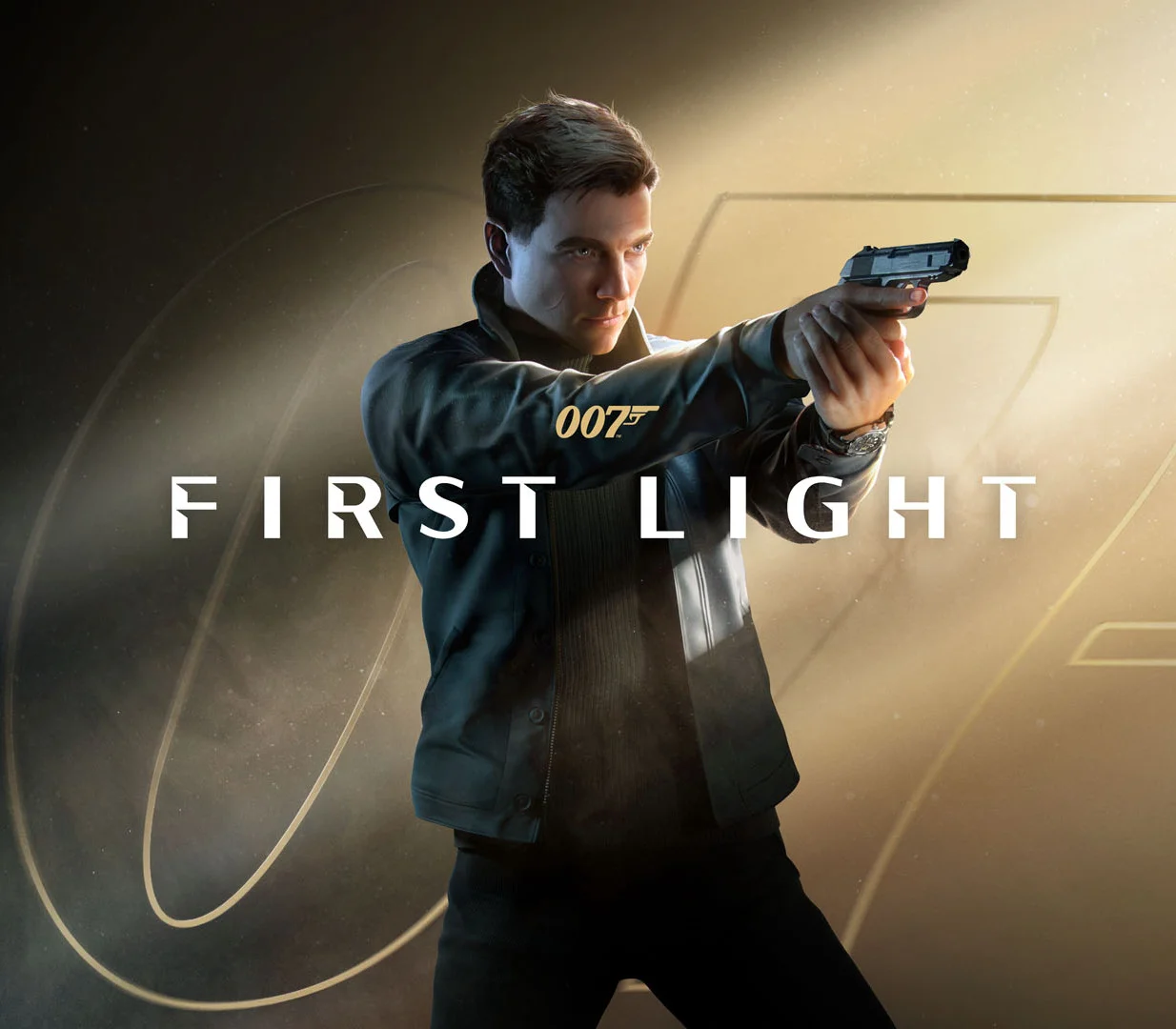
007 First Light kommt in einem Moment, in dem Spionage-Shooter unterversorgt sind. Die Hitman-Trilogie von IO Interactive deutet auf ein Spiel, das Beobachtung, Tarnung und Setpiece-Improvisation belohnt statt endloser Killstreaks — anderer Rhythmus als Militär-Sims, aber fest in der Ego-Perspektive. Frühe Previews deuten auf eine jüngere James-Bond-Ursprungsgeschichte, die dem Studio Raum gibt, Gadgets, Ton und Missionsstruktur neu zu bauen, ohne in jeder Szene gegen vierzig Jahre Fan-Erwartung zu kämpfen. Nach vorn gedacht ist das Community-Potenzial groß: Speedrun-Routen, Stealth-only-Challenges und Schwierigkeitsmodifikatoren können das Leben weit über eine lineare Kampagne tragen. Grafisch dürfen moderne Bond-Spiele cineastisch werden — Neon-Casinos, nasse europäische Straßen, Innenlicht, das Luxus verkauft, bevor der Schalldämpfer kommt. Wer die goldene Ära der Spionage-Shooter am PC verpasst hat, sollte genau hinsehen; liefert IO denselben Live-Service-Schliff wie bei Hitman, kann 007 First Light zur saisonalen Gewohnheit werden statt Wochenend-Leihe.
ARC Raiders
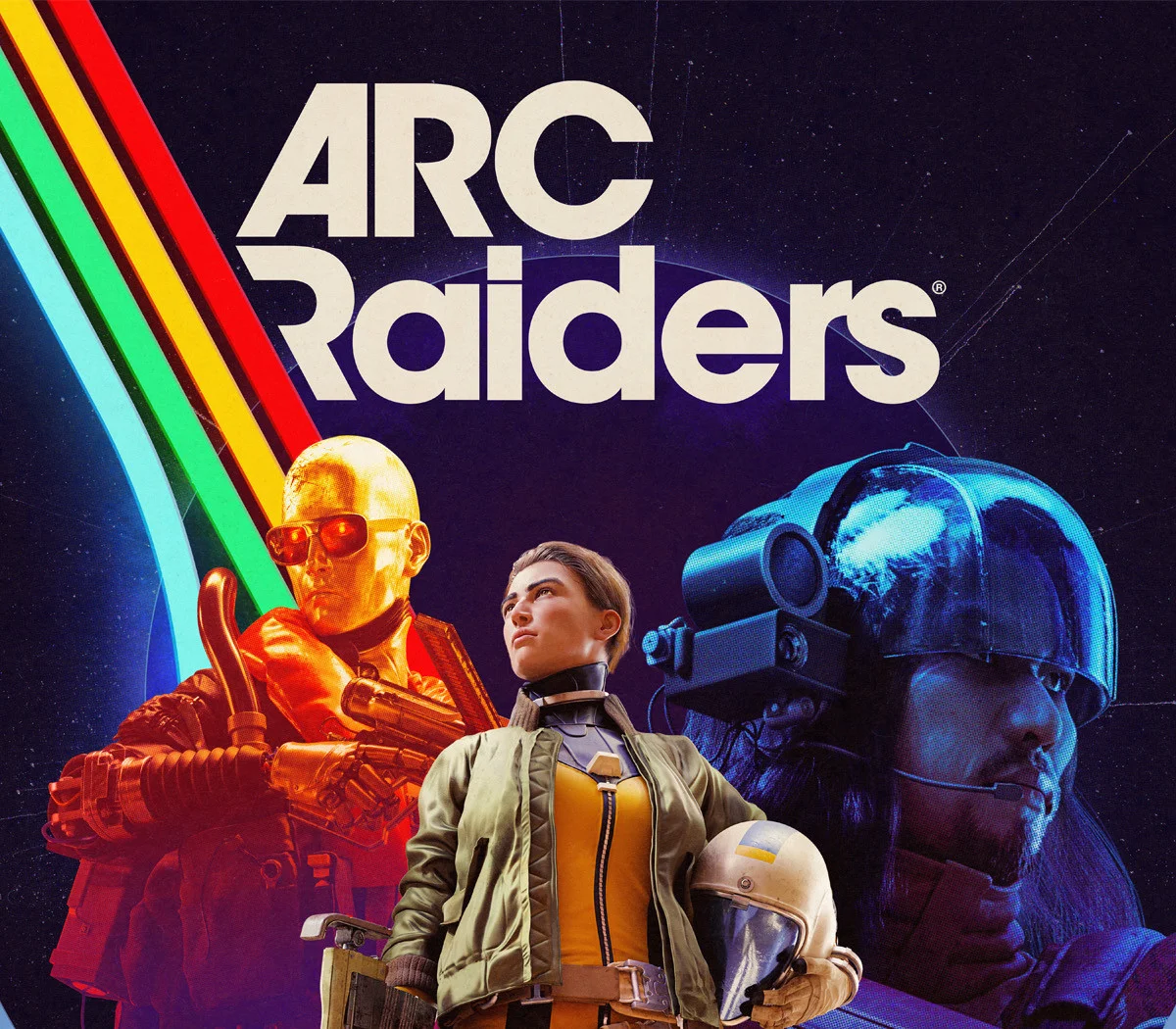
Embark Studios hat ARC Raiders für Spieler gebaut, die Spannung ohne den Zynismus wollen, der frühere Extraction-Shooter versenkt hat. Die Prämisse — eine ruinierte Erde plündern, während riesige Maschinen Squads von oben jagen — erzeugt natürliche Koop-Geschichten, die Streamer und Freundesgruppen mit jedem Run anders wiederholen. Langfristige Popularität hängt davon ab, wie fair die Ökonomie Zeit belohnt, aber die Movement-Technik aus The Finals spricht für athletische statt träge Feuergefechte. Multiplayer ist die Headline: Trios koordinieren Extractions, pingen Bedrohungen und streiten, ob High-Tier-Loot oder der Ausstieg mit bescheidenem Gewinn — die besten Momente kooperativer Survival-Spiele, ohne präzises Schießen aufzugeben. Wenn Visuals metallene Riesen durch dynamisches Wetter schieben, gibt ARC Raiders PC-Besitzern auch einen Grund, Monitore für Kontrast und Bewegungsklarheit nachzurüsten. Neue Spieler, die Hardcore-Extraction scheuen, sollten trotzdem hinsehen; zugängliches Onboarding und lesbare Gegnersilhouetten können das Publikum über die übliche Nische hinaus öffnen.

Battlefield 2042
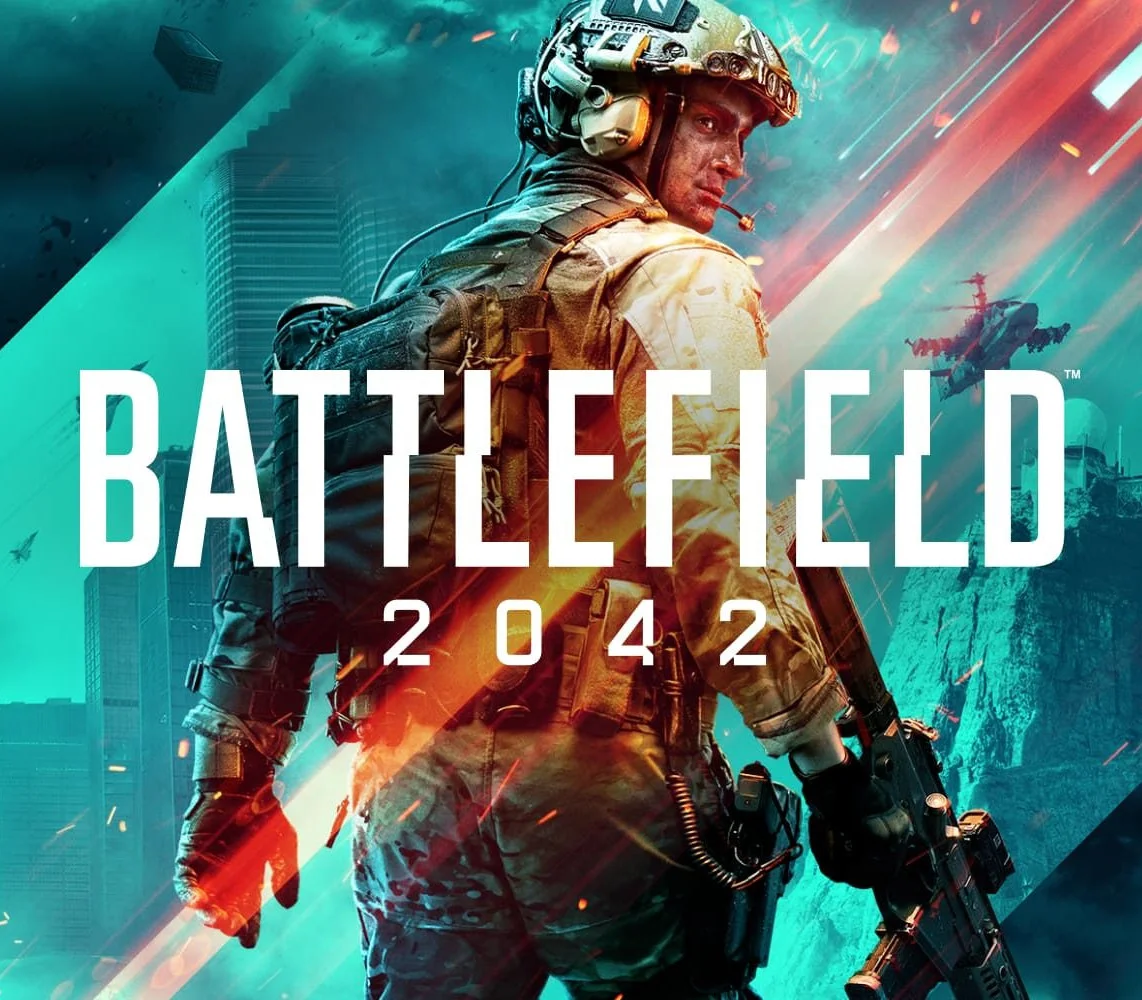
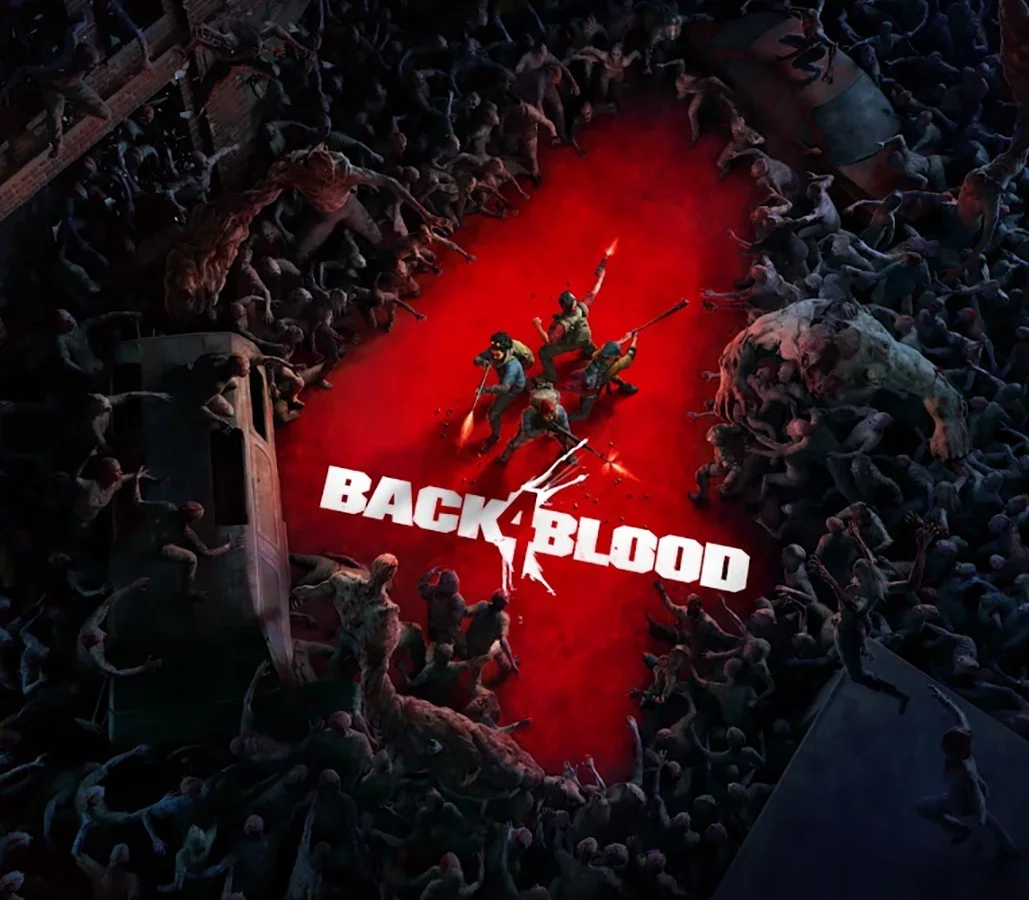
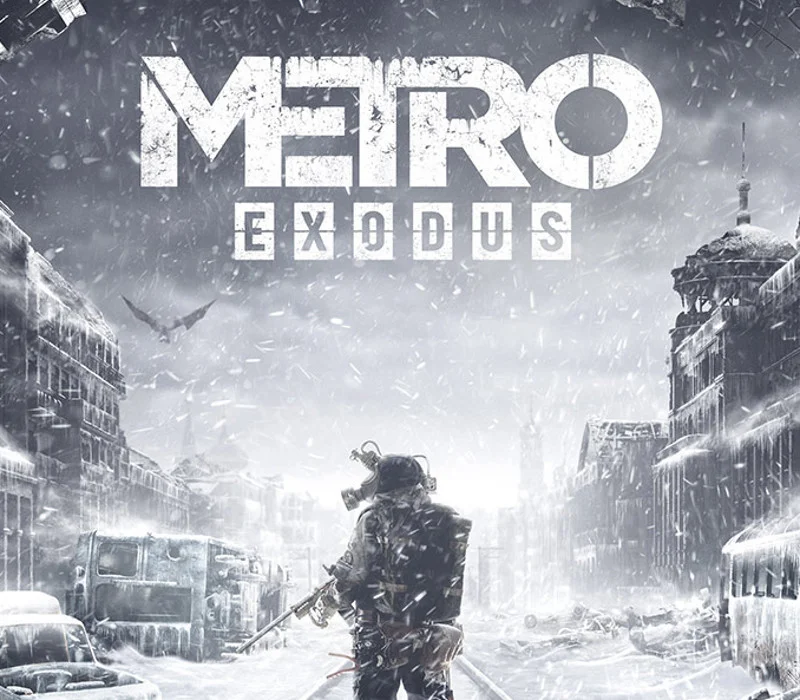
Battlefield 2042 hat Kritik eingesteckt und weiter gepatcht — ein Muster, das DICE-Follower von früheren holprigen Launches kennen, die irgendwann standen. Portal macht das Spiel zum Community-Labor, in dem klassische Regelsets auferstehen und Epochen gemischt werden, weit über saisonale Playlists hinaus. Für Groß-Multiplayer-Fans reproduziert sonst nichts am Markt dieselbe Mischung aus Fahrzeugchaos, zerstörbaren Umgebungen und Squad-Spezialisierung in dieser Größe. Specialists und Gadgets rotieren durch Balance-Pässe, Metas verschieben sich oft genug, um Abtrünnige für „noch eine Nacht“ zurückzuholen. Grafisch fordern 128-Spieler-Matches Hardware auf die gute Art: Explosionen, Wetter und lange Sichtlinien belohnen hohe Bildwiederholung. Neueinsteiger 2026 profitieren von niedrigeren Einstiegspreisen und einem stabileren Feature-Set als im Launch-Monat. Wenn die Freundesgruppe zwischen Taktikshootern wie Ready or Not und Arcade-Action splittet, bleibt Battlefield der Wochenend-Gaumenreiniger, in dem jeder einen Panzer spawnen und so tun kann, als hätte es vorher einen Plan gegeben.
Crysis 3
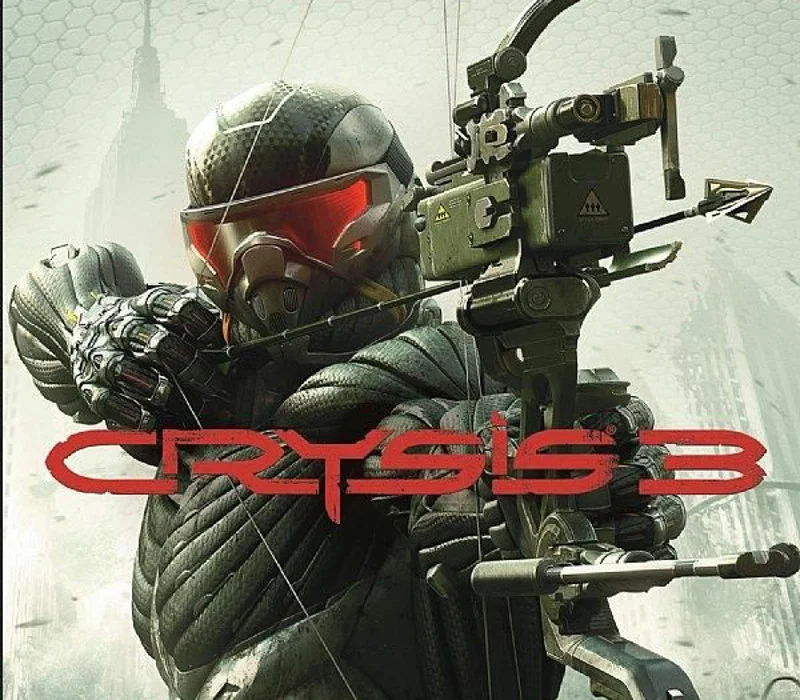
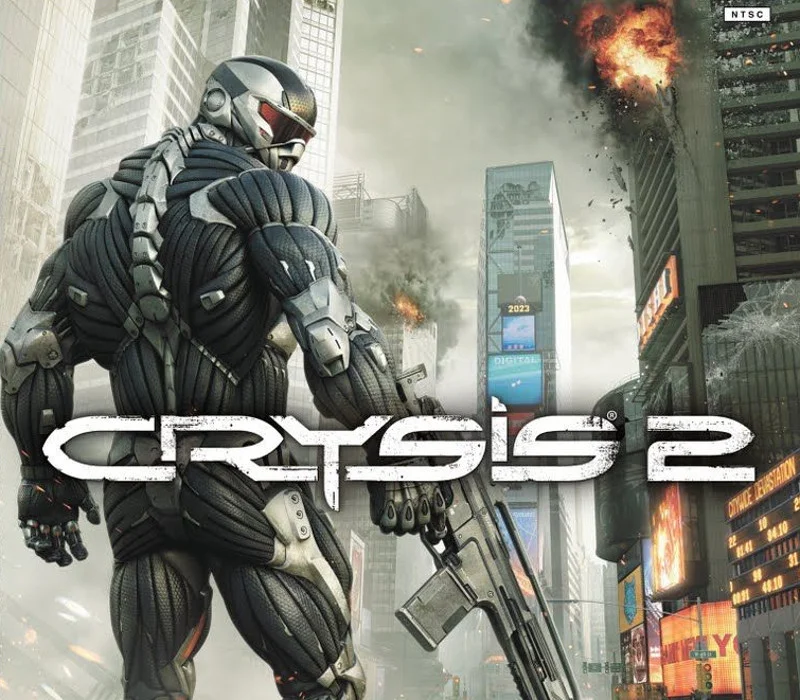
Crysis 3 bleibt für immer an den Satz „Can it run Crysis?“ gebunden — 2026 funktioniert der Witz umgekehrt: Die meisten Gaming-PCs lachen sich durch die Maximalsettings. Die Nanosuit-Fantasie — Tarnung, Panzerung und Tempo am Regler — wirkt weiter futuristisch, weil so wenige Shooter Machteskalation wagen, ohne Spieler zu Kugelschwämmen zu machen. Prophets Bogen-und-Gewehr-Schleife im überwucherten New York erzeugt vertikale Arenen, in denen Höhe mehr zählt als Cover-Lanes auf einer flachen Map. Wiederspielwert kommt aus aggressiven Schwierigkeitsmodi und der Freude, Routen durch Begegnungen zu optimieren, die ihr mit Tarnung oder roher Gewalt löst. Remastered Lighting treibt Laubdichte und Sonnenstrahlen so, dass klar wird, warum Crytek mit grafischem Ehrgeiz synonym war. Neue Spieler sollten es als Geschichtsstunde mit exzellentem Gunfeel sehen: kürzer als Open-World-Zeitgenossen, fokussiert und unverhohlen laut. Sammler, die visuelle Benchmarks vergleichen, paaren Crysis 3 oft mit Raytracing-Titeln wie Cyberpunk 2077 um zu sehen, wie weit Optimierung gekommen ist — und wie gut ältere Sandboxen noch aussehen, wenn die Hardware nachzieht.
Cyberpunk 2077
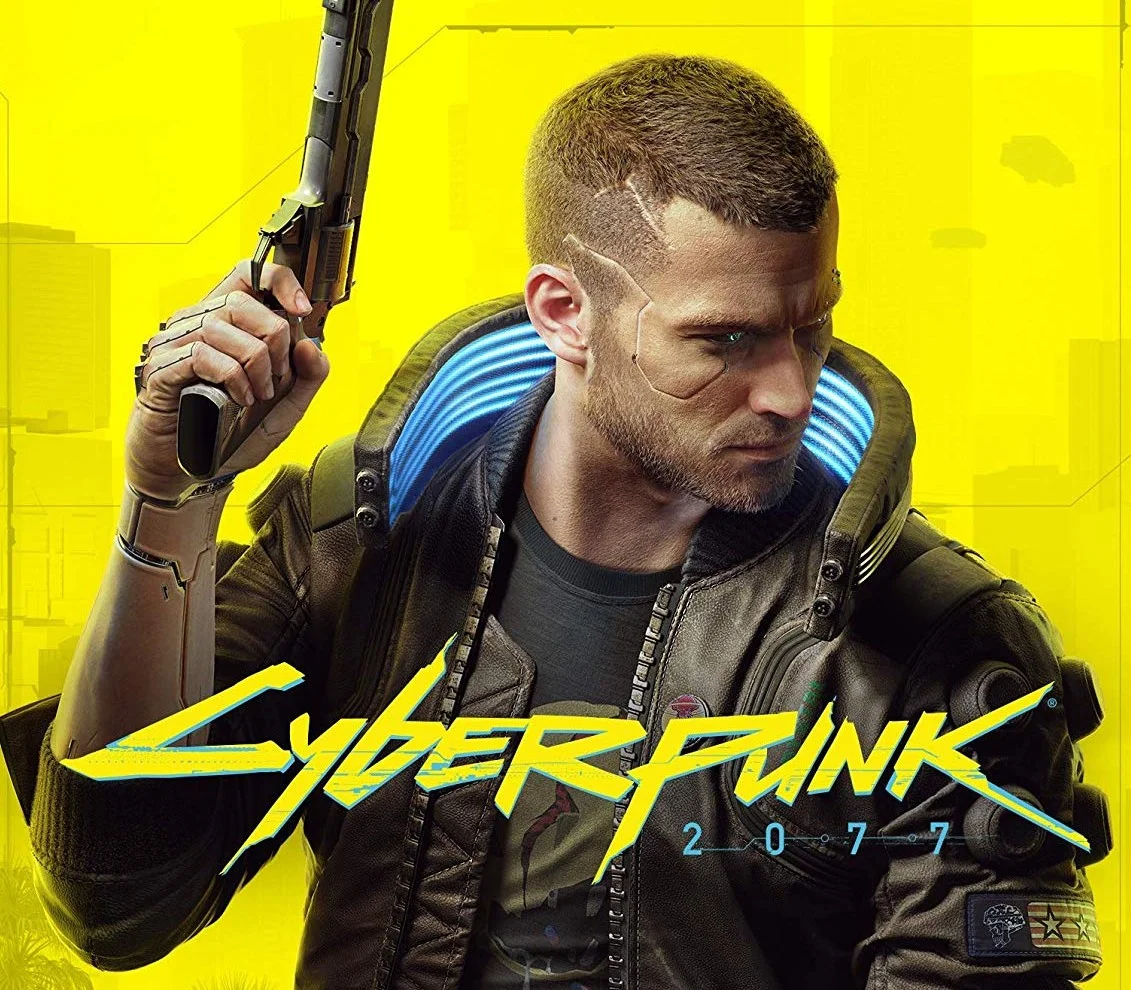
Cyberpunk 2077 hat die Launch-Kontroversen überlebt und ist eines der stärksten Argumente dafür, zu warten, bis ein RPG-Shooter-Hybrid fertig gekocht ist. Phantom Liberty hat Endgame-Builds, Polizeireaktion und Distrikt-Storytelling erweitert, Patches haben Fahren, Gunplay und Menschendichte in Night City nachgeschärft. 2026 ist das Spiel eine Langform-Sandbox, in der FPS-Spieler Smart Weapons, Mantis Blades oder klassische Gewehre fahren können, ohne dass die Missionsstruktur einen Stil erzwingt. Community-Wachstum läuft über Build-Guides, Fotomodi und Roleplay-Server, die Night City wie eine persistente Bühne behandeln. Grafisch zeigen Path Tracing und High-End-Presets Neonreflexe und nassen Asphalt besser als die meisten reinen Shooter ohne RPG-Tiefe. Wer jetzt kommt, überspringt die Kanten der Early Adopter und landet in einer Welt, in der Entscheidungen über Dutzende Stunden zählen. Wer einen Kauf will, der zwischen narrativer Pause und Feuergefechten bis zum Distriktkrieg wechselt, findet in Cyberpunk einen essenziellen Katalogeintrag.
Fortnite Psycho Bundle
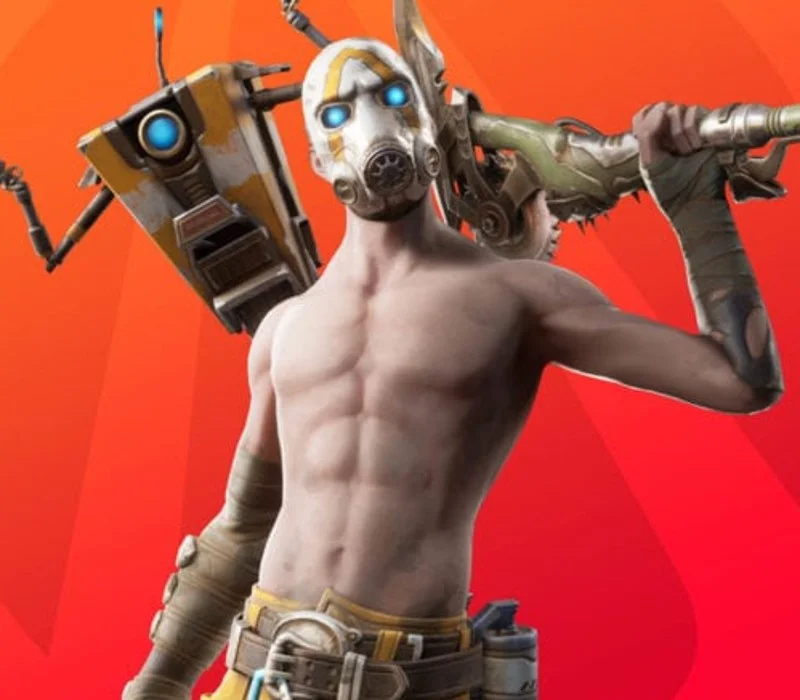
Fortnite bleibt der Live-Service-FPS, der nicht stillsteht — Creative-Modi, Konzert-Events und Zero-Build-Playlists halten das Publikum in Bewegung, auch wenn Battle-Royale-Müdigkeit andere Spiele trifft. Das Psycho Bundle zielt auf Spieler, die wöchentlich einloggen, aber frische Identität in einem vollen Locker wollen, ohne jeden Battle-Pass-Tier zu kaufen. Kosmetik-Bundles zählen 2026, weil soziale Bindung Fortnite stärker treibt als reine Mechanik-Neuheit; mit unverwechselbarem Look zu erscheinen hält Squads bei Cross-Play-Abenden dabei. Epics Engine-Upgrades heben Texturdetail und Animation saisonal, Rückkehrer sehen visuelle Sprünge, auch wenn das Schießen zugänglich bleibt. Wiederspielwert ist buchstäblich unendlich: Ranked, Casual, Creative-Maps und nutzergemachte Shooter im selben Client. Wer Building scheut, kann es ganz abschalten und das Spiel als Ego- oder Third-Person-Shooter mit regelmäßigen Map-Umbauten behandeln. Ein Bundle wie Psycho ist der reibungsarme Weg, sich neu zu committen — weniger um Power, mehr darum, sich wieder in einer Plattform zu investieren, die Freunde nie ganz verlassen haben.
Kingdoms of Amalur: Re-Reckoning
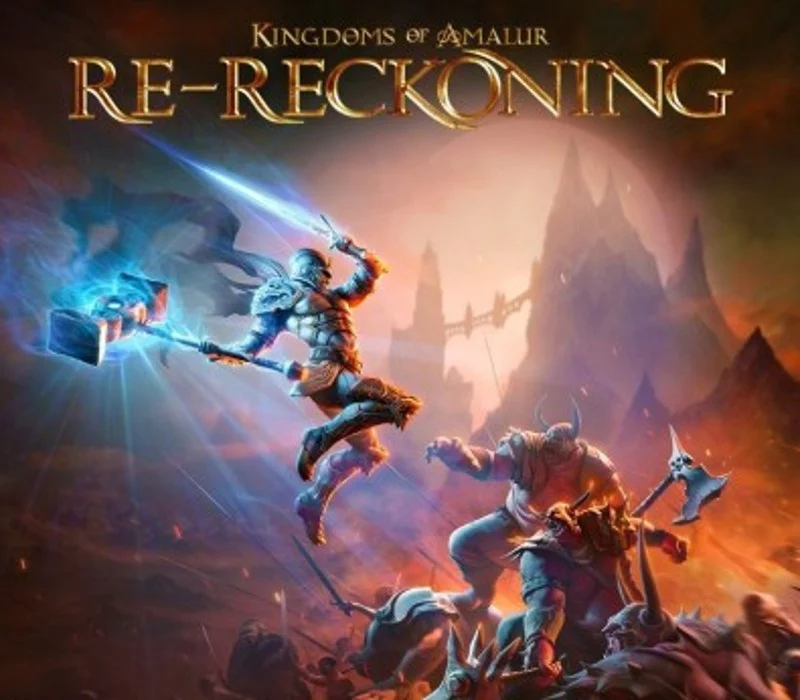
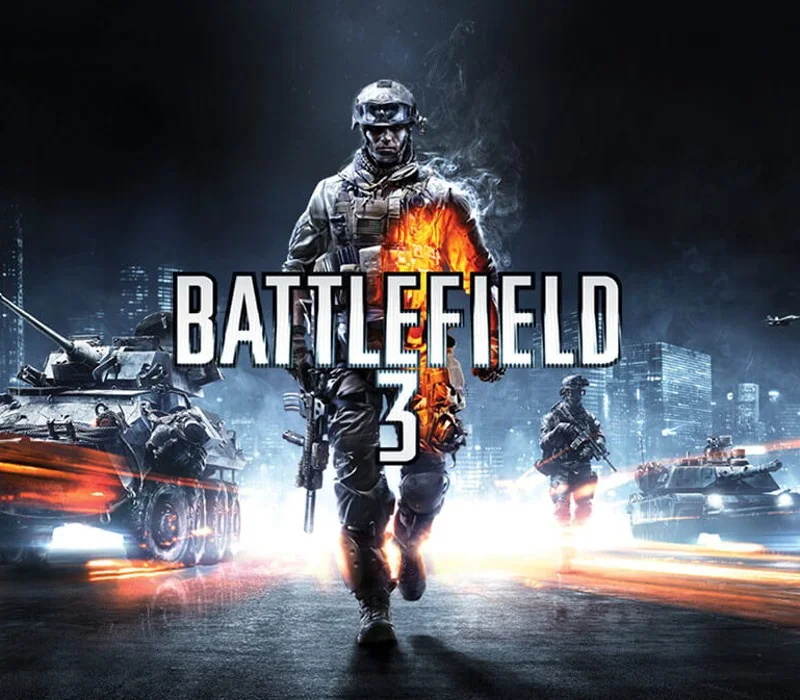
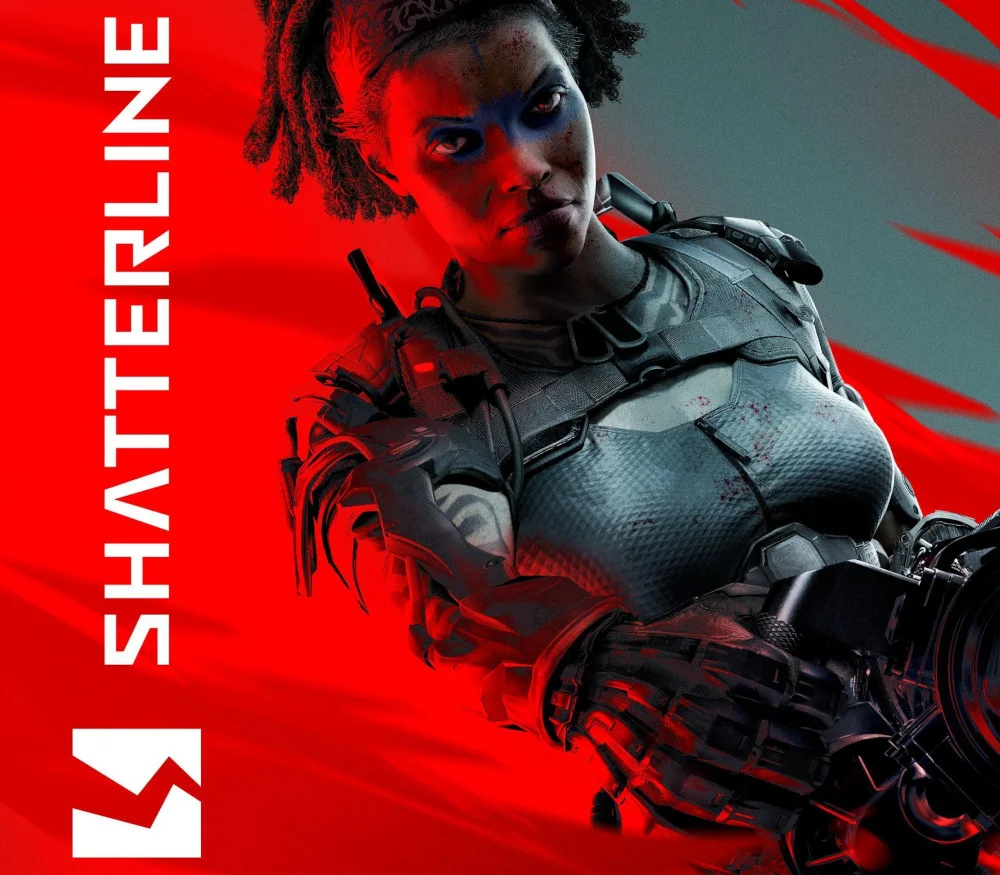
Kingdoms of Amalur: Re-Reckoning verdient den Platz auf einer shooterlastigen Liste, weil es ein Problem löst, das kompetitive FPS-Fans selten zugeben: Burnout. Nach Monaten ranked Ladder braucht ihr manchmal reaktionsstarken Kampf ohne Killcam, die eure Fadenkreuzlage zerlegt. Das Fate-System und dodge-lastiger Nahkampf halten Begegnungen taktil und lesbar, Bogen und Magie liefern Fernkampfschleifen näher an Action-Shootern als an langsamen RPG-Stat-Checks. Die Remaster-Community 2026 ist stabiler als der Originallaunch je war — Wikis, Build-Foren und Mod-Diskussionen halten Neueinsteiger in den Startzonen. Grafisch spülen helle Fantasy-Paletten graue Militärkorridore weg, moderne PCs nehmen das Stottern früher Releases. Multiplayer ist nicht der Pitch; Wiederspielwert schon. Nebenquests, Crafting und Klassen-Respecs fördern Experimente über lange Sessions. Wer sonst in Titeln wie Battlefield 3 oder Shatterline lebt, sollte Amalur als erholsame Pause sehen, die schnelle Reflexe trotzdem ernst nimmt — und dann mit frischerer Geduld zu kompetitiven Playlists zurückkehren.
Ready or Not: Deluxe Edition
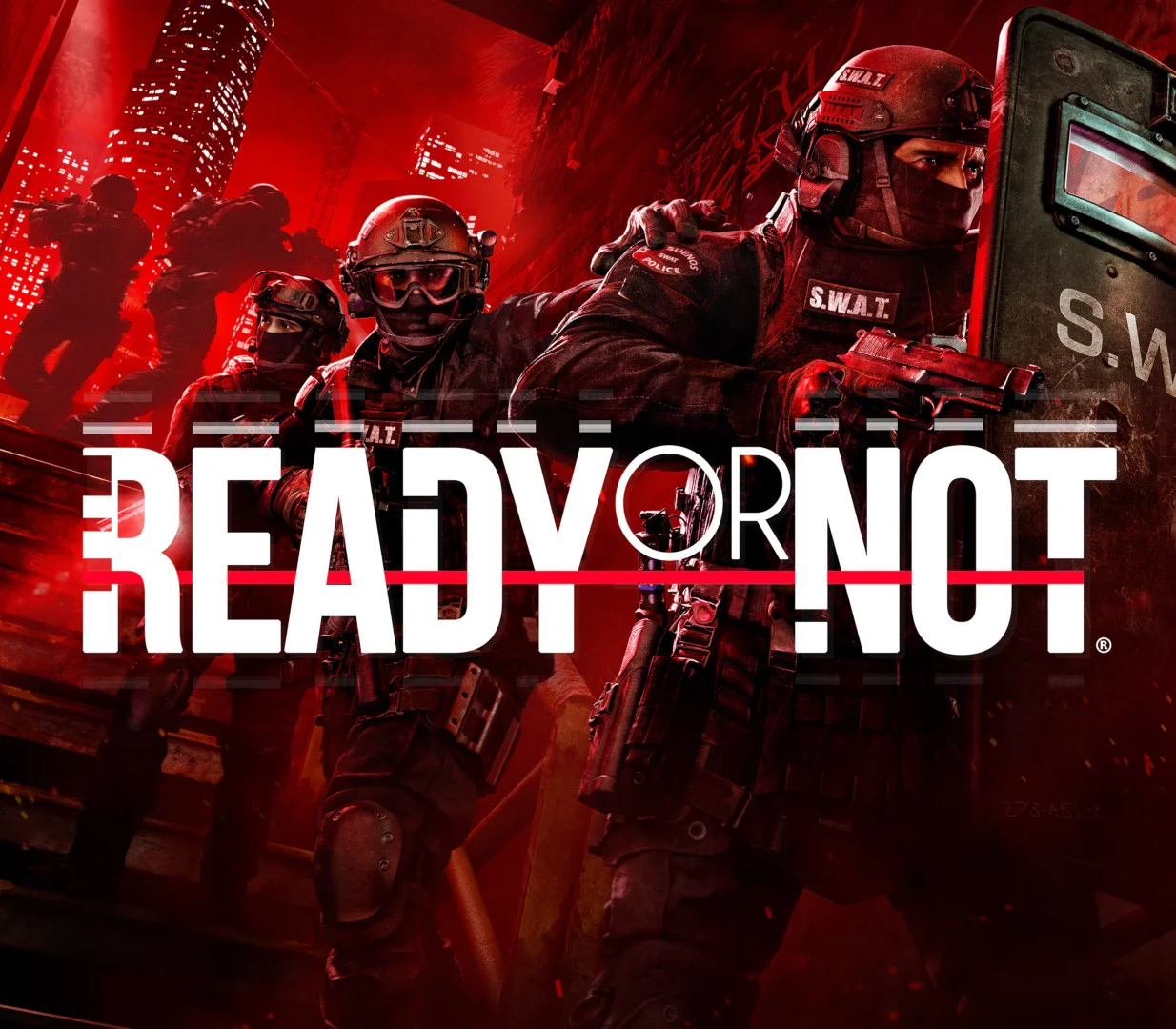
Ready or Not hat taktisches FPS-Design in kooperative Disziplin gedreht: Eindringen, Bedrohungen identifizieren und die Folgen tragen, wenn Adrenalin das Verfahren überstimmt. Die Deluxe Edition bündelt Post-Launch-Content, der Szenarien und Ausrüstung vertieft — Langlebigkeit kommt aus Missionsvielfalt und Schwierigkeitsmodifikatoren, nicht aus einer klassischen ranked Ladder. Streaming- und Koop-Gruppen wachsen weiter um Permadeath-Hausregeln und Challenge-Runs, wie ältere SWAT-Sims Kult aufgebaut haben. Grafisch setzen urbane Innenräume auf Klarheit — Mündungsfeuer, Taschenlampenkegel und Verdächtigen-Animationen kommunizieren Gefahr schneller als UI-Marker. 2026 treffen Neueinsteiger auf eine reifere Community mit klarerem Onboarding und ruhigeren Updates als in der Early-Access-Zeit. Multiplayer bleibt stark, weil Kommunikation so viel zählt wie Aim; Squads, die Callouts lernen, spüren Fortschritt von Session zu Session. Wenn Militärshooter zu arcade wirken, liefert Ready or Not Gewicht, Spannung und wiederholbare Szenarien, die Planung belohnen — eine andere Ecke der FPS-Landschaft, die sich lohnt, komplett zu besitzen.
Zehn Spiele, zehn Antworten darauf, was „Shooter“ 2026 heißt — ranked Ladders, Extraction-Spannung, Spionagehandwerk, taktische Raids und sogar ein Fantasy-Abstecher, wenn die Handgelenke Pause vom Rückstoß brauchen. Keiner dieser Titel verlangt blinde Treue zu einem Subgenre; zusammen decken sie die Bandbreite ab, die PC- und Konsolenspieler über ein Jahr wirklich rotieren. Ob Rückkehr zu einer vertrauten Reihe oder endlich der Versuch, den Freunde nicht totzukriegen aufhörten: Digitalkauf hält euch ein Update vom Patch entfernt, über den alle reden. Durchstöbert die Links oben, vergleicht Editionen auf Urazon und wählt den Shooter, der dazu passt, wie ihr diesen Monat spielt — nicht, wie Marketing euch zum Launch spielen sollte.