




Sonic Frontiers — Spotlight Open Zone

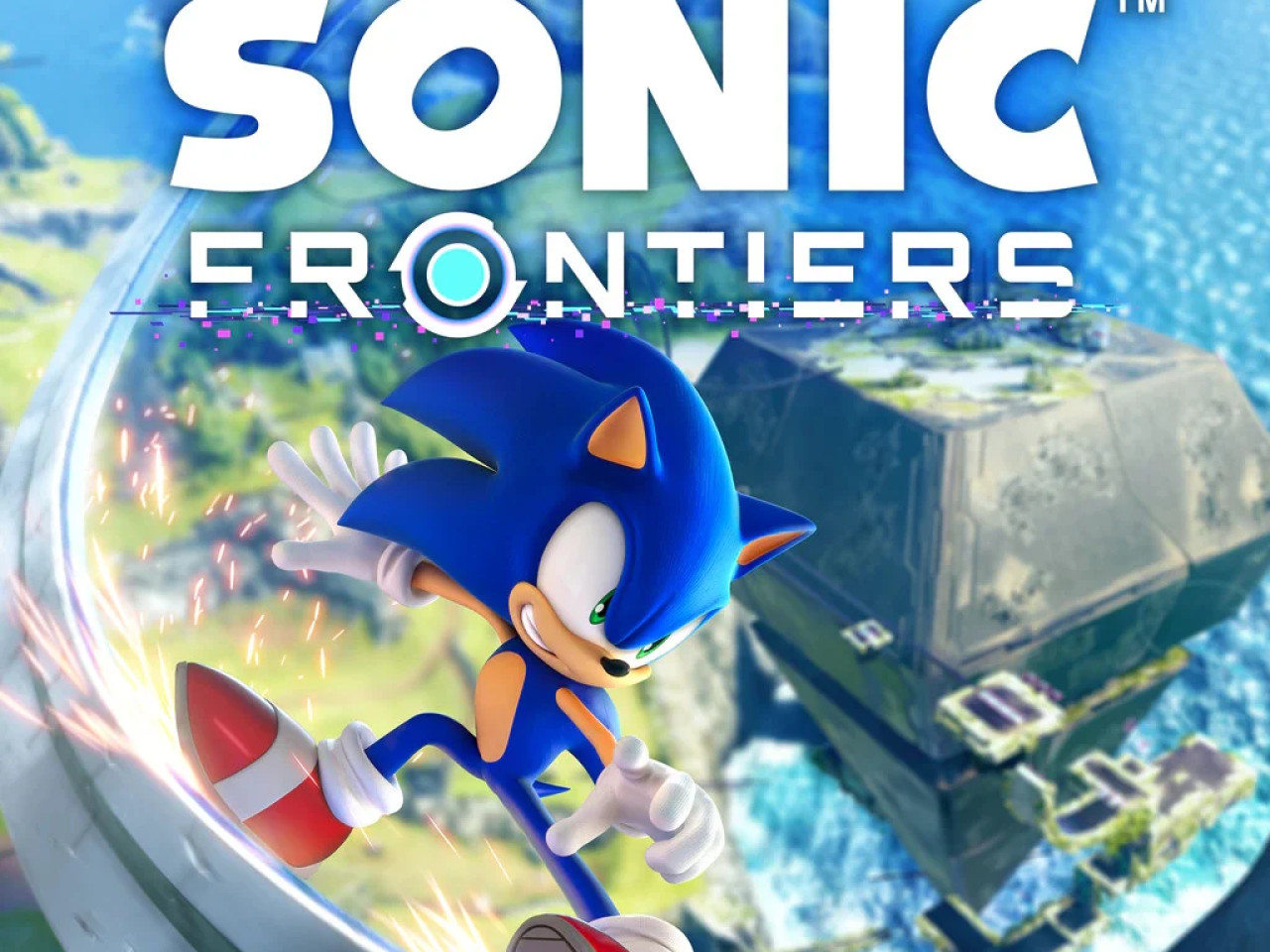
Sonic Frontiers è l'episodio che ha finalmente lasciato respirare Sonic the Hedgehog. Invece di comprimere ogni secondo in un tunnel di stage lineare, l'esperimento Open Zone di Sega ti lascia sulle Starfall Islands con binari, stage cyberspace, titan e abbastanza movimento libero perché la velocità si senta esplorativa piuttosto che puramente scriptata. Su PC resta la risposta moderna più chiara ai giocatori che chiedevano se Sonic potesse sostenere una mappa da avventura senza perdere l'identità cinetica della serie.
La proposta funziona perché Frontiers separa nitidamente le fantasie. I campi aperti sostengono la padronanza del traversal, i puzzle e i collezionabili del mondo. Gli stage cyberspace consegnano i classici percorsi cronometrati quando vuoi quel ritmo Sonic compresso. I titan boss vendono lo spettacolo a una scala che i vecchi capitoli 3D tentavano di rado. Contano anche gli aggiornamenti e il contenuto di storia extra dopo il lancio: Sonic Frontiers non si è congelato al perimetro del day one, ed è per questo che la versione PC si sente ancora una dichiarazione viva invece che un esperimento da una sola patch. Per i giocatori cresciuti con gli esperimenti Sonic dalla Dreamcast alla HD, quella disponibilità a rivedere in pubblico la formula Open Zone è parte del fascino.
Open Zone senza abbandonare la velocità Sonic
Liberare Sonic su isole grandi rischia la diluizione, ma Frontiers tiene lo slancio al centro. Catene homing, linee di rail e rotte di boost trasformano la geografia in un parco giochi se impari il vocabolario del movimento. La mappa non è una checklist Ubisoft vuota, piuttosto una serie di arene cucite da linee di velocità — ed è per questo che i giocatori abili condividono ancora percorsi di traversal creativi a distanza di anni.
Quel senso di libertà cinetica sta bene con altre avventure spinte dal traversal. Dondolarsi in una New York allargata in Marvel's Spider-Man 2 gratta lo stesso prurito « il movimento è la fantasia », mentre le notti mitiche di traversal e combattimento in God of War Ragnarök offrono un contrappeso più pesante, guidato dalla storia.
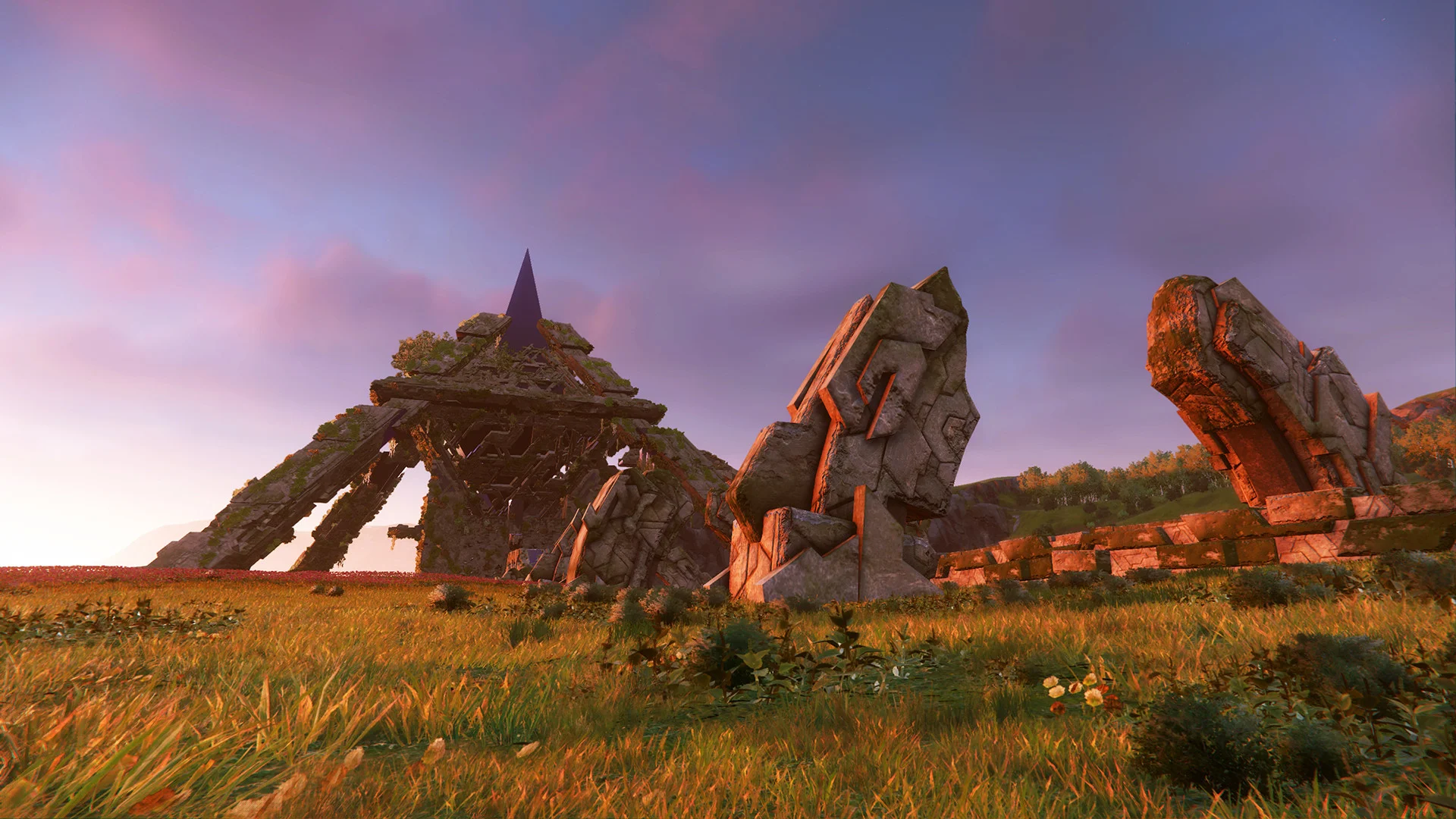
Stage cyberspace e spettacoli titan
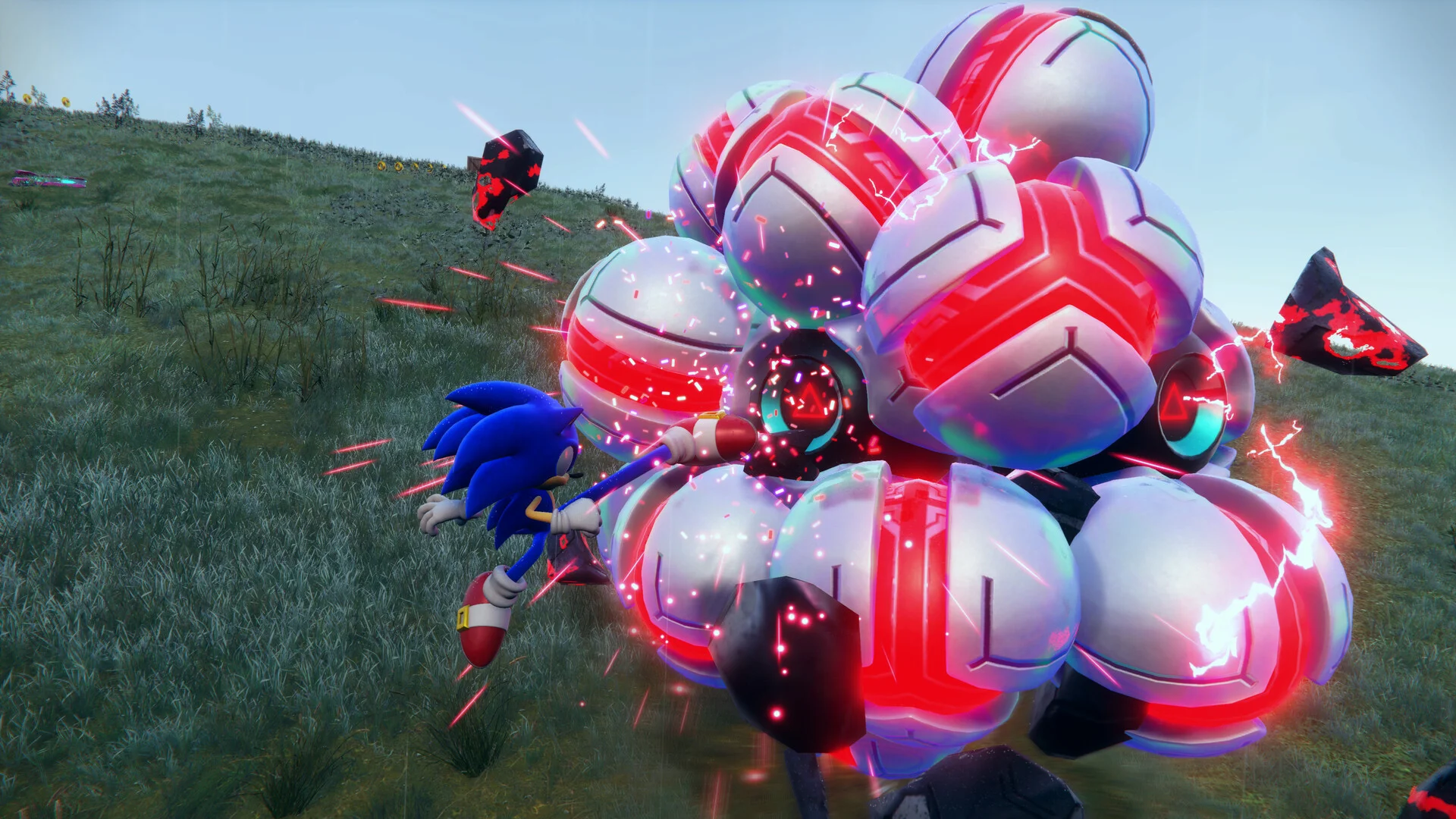
Quando Frontiers vuole nostalgia Sonic pura, i livelli cyberspace comprimono la fantasia in percorsi di precisione con ranghi e timer. Quella doppia struttura — isole aperte più percorsi a stage — è il compromesso più intelligente del gioco. Gli scontri con i titan virano poi nell'altra direzione: incontri colossali che vendono Sonic come sfavorito contro dèi digitali invece che come un altro sprint da smeraldo MacGuffin.
I giocatori che amano i set-piece scritti dopo l'errare open world passano spesso all'infiltrazione pulp di Indiana Jones and the Great Circle, o ai laboratori di timing competitivo di TEKKEN 8 quando vogliono precisione senza platform.
Tono della storia e chi dovrebbe giocarlo
Sonic Frontiers pende verso misteri d'isola malinconici e conversazioni di personaggio che alcuni fan di lunga data hanno trovato sorprendentemente sinceri. Non convertirà i giocatori che vogliono solo raffiche arcade da due minuti, e le Open Zone possono sembrare rade se rifiuti i contenuti secondari. Per tutti gli altri — soprattutto i giocatori PC che valorizzano opzioni ultrawide, target di frame più alti e il movimento Sonic moderno — Frontiers resta la raccomandazione 3D di punta nel catalogo attuale.
Se dopo il salto da isola a isola ti serve energia sandbox coop, Palworld è un cambio di tono selvaggio. I fan del survival horror che vogliono l'opposto delle piattaforme al sole possono nascondersi a bordo del Sevastopol in Alien: Isolation.
Titolari di piattaforma e giocatori PC ricevono entrambi una versione di Sonic che ammette finalmente che l'esplorazione può coesistere con la fantasia di velocità. Sonic Frontiers è imperfetto in alcuni punti — gli spazi aperti possono assottigliarsi, il tono dei dialoghi divide i fan — eppure quei dibattiti accadono solo perché l'esperimento era abbastanza audace da contare. Da solo, questo lo tiene più interessante di un altro pack di stage da anniversario strettamente lineare.
Per i completionisti, le isole nascondono anche abbastanza sfide e ranghi cyberspace da giustificare una sosta più lunga di un noleggio del weekend — soprattutto una volta che le aggiunte di storia post-lancio sono nella build.
Perché le isole si sentono ancora un punto di svolta
Sonic Frontiers conta perché ha dimostrato che Sonic può sostenere una struttura aperta senza abbandonare la velocità come fantasia centrale. Le isole, i percorsi cyberspace e gli scontri con i titan formano un'identità coerente intorno alla quale orbitano ancora i progetti Sonic successivi. Su PC, quell'esperimento resta facile da rivisitare quando vuoi slancio blue blur con spazio per vagare. Completionisti di collezionabili e speedrunner possono persino condividere la stessa mappa per fantasie diverse — un raro trattato di pace in una franchise famosa per litigare su cosa significhi « il vero Sonic ».
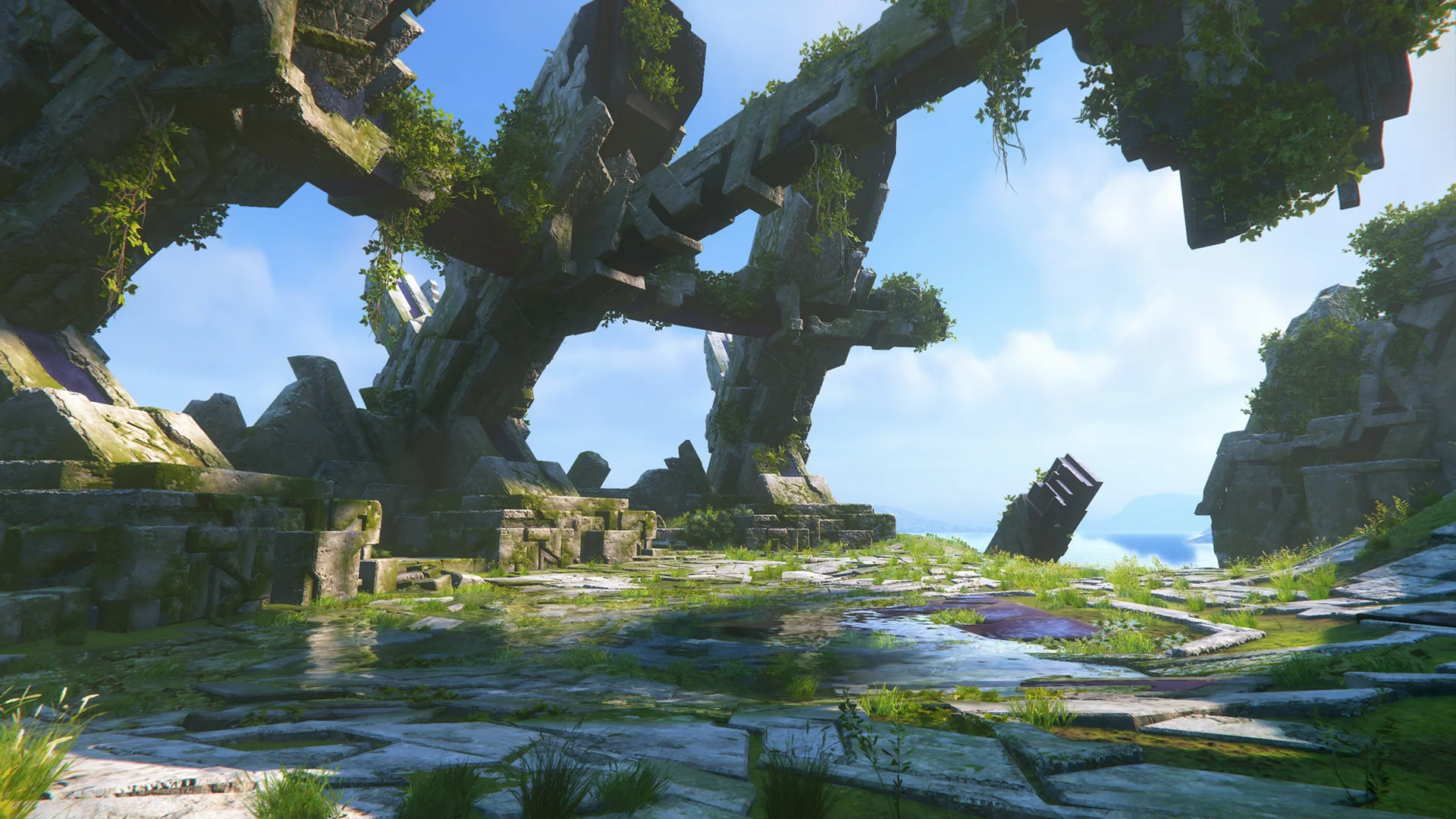
Quando vuoi quella fantasia Sonic Open Zone su PC, Sonic Frontiers su Urazon è un punto di partenza pulito per la run delle Starfall Islands.