




.webp)
Microsoft Windows 10 Enterprise


























































































































































































































































€23.90









About Microsoft Windows 10 Enterprise
Microsoft Windows 10 Enterprise is for organisations that need tighter control over security, apps, and updates than Home or Professional provide on their own. IT teams use it to lock down shared machines, restrict which programs can run, and connect large fleets to company identity and management systems — scale and responsibility that a single home PC never needs.
Enterprise keeps the familiar Windows 10 desktop employees already know, then adds AppLocker-style application control, Credential Guard on supported hardware, BitLocker with enterprise key workflows, and advanced update servicing options. It remains a common choice for corporations and public-sector bodies that must meet compliance rules while staying on Windows 10 during a phased hardware refresh toward Windows 11.

Fleet Security Beyond Professional
Where Professional covers BitLocker, Remote Desktop, Hyper-V, and domain join for smaller businesses, Enterprise extends the stack for regulated and large estates. Credential isolation helps protect authentication material. Application control reduces shadow IT. DirectAccess and advanced networking patterns support remote workers under policy. Update rings and servicing options let administrators stage patches instead of forcing every device onto the same consumer cadence overnight.
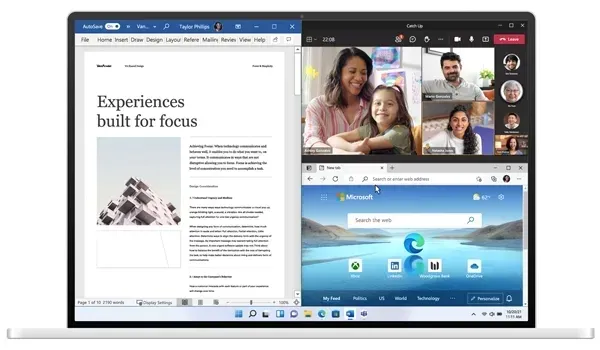
Windows 10 Enterprise also fits hybrid identity: Active Directory and Microsoft Entra ID join, Group Policy, and modern device management keep fleets aligned with audit and lockdown requirements. End users still get a productive Windows 10 shell; security and operations keep the levers needed for incident response and compliance reporting.
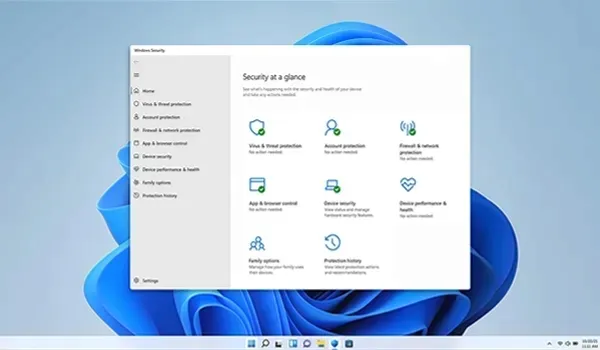
Enterprise Edition Capabilities
- Advanced security hardening for company-managed Windows 10 PCs
- Credential Guard and stronger identity protection on supported hardware
- Application control options such as AppLocker-style restrictions
- BitLocker Drive Encryption with enterprise management workflows
- Remote Desktop, Hyper-V, and Windows Sandbox for IT and power users
- Active Directory and Microsoft Entra ID join for fleet identity
- Group Policy and modern device-management integration
- Advanced Windows Update for Business / servicing controls
- Windows Hello and Windows Security with Microsoft Defender
- Stable Windows 10 desktop for phased migration estates
Who Should Choose Enterprise?
Pick Windows 10 Enterprise when devices are owned and governed by an organisation — offices, agencies, or regulated industries that need stricter control than a freelancer’s Professional install. Households should use Windows 10 Home. Smaller businesses that need BitLocker and Remote Desktop without the full Enterprise stack often standardise on Windows 10 Professional. Schools and campuses may prefer Windows 10 Education. When hardware allows, compare Windows 11 Enterprise.
System Requirements
Windows 10 Enterprise follows Microsoft’s Windows 10 hardware baseline and runs on many PCs that cannot yet install Windows 11:
- Compatible processor (1 GHz or faster recommended)
- At least 2 GB of RAM for 64-bit installs (more recommended for business workloads)
- At least 32 GB of available storage (64 GB+ preferred for managed images)
- DirectX 9 or later with WDDM 1.0 driver
- Display with 800×600 resolution or higher
- Internet access for updates, activation, and cloud identity features
Features that rely on virtualization-based security also need compatible CPU and firmware options enabled in BIOS/UEFI.
Installation & Activation
Activate Windows 10 Enterprise with a matching product key after installing from official Microsoft media. Confirm the edition under Settings → System → About, then enter the key via Settings → Update & Security → Activation (or Settings → System → Activation on newer builds). Deployment is typically handled by IT (image, domain join, or device management). This key is intended for Windows 10 Enterprise (and compatible Pro activation paths stated on the listing) — it does not cover special SKUs such as Enterprise LTSC, Enterprise N, Enterprise LTSB, or similarly named variants unless explicitly sold as those products.
Related Windows Editions
Compare Windows 10 Professional for smaller business PCs, Windows 10 Home for consumer machines, and Windows 10 Education for campus deployments. Newer eligible hardware can move to Windows 11 Enterprise or Windows 11 Professional.
Buy Microsoft Windows 10 Enterprise
Microsoft Windows 10 Enterprise suits organisations that need managed security, identity integration, and fleet-ready controls on a stable Windows 10 desktop. Explore every edition in Operating Systems, browse the wider Software catalogue, or review Windows 11 Enterprise before you purchase.
| Product Type: | Operating systems |
|---|---|
| Platforms: | Windows |
| Regions: | Global |
| Languages: |
|