




Battlefield 4 — wielkoskalowy FPS w centrum

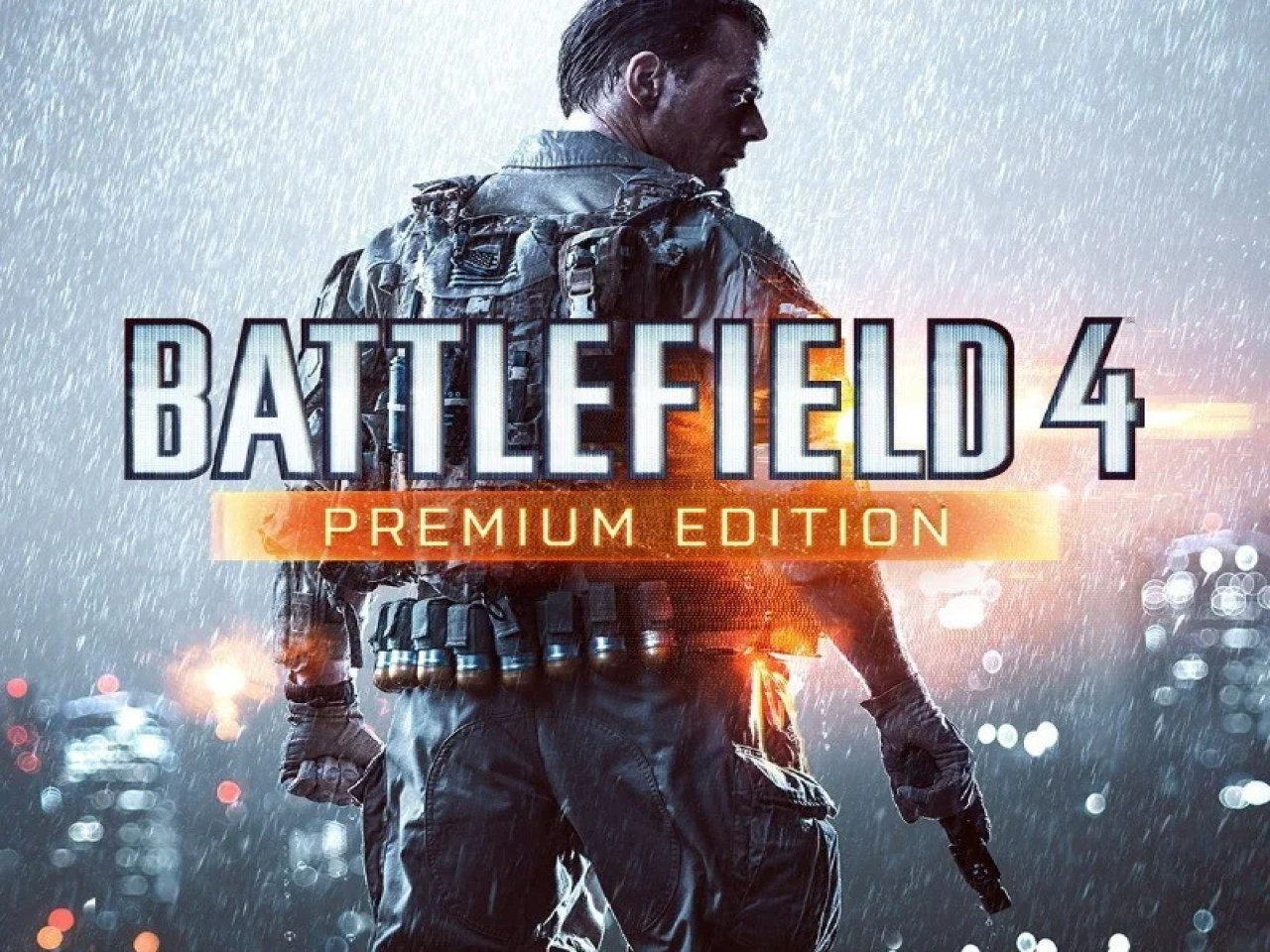
Battlefield 4 pamięta, jak czuły się strzelanki wielkiej skali, zanim każdy tryb skurczył się do lobby na czterdziestu graczy i map o trzech alejkach. Premiera DICE z 2013 pcha chaos sześćdziesięciu czterech graczy przez ląd, morze i powietrze — czołgi ostrzeliwują fasady, podczas gdy odrzutowce walczą nad głową, a drużyny piechoty wślizgują się przez zalane kanały burzowe. Premium Edition zbiera grę bazową z każdym dodatkiem, przepustkami wczesnego dostępu i zrzutami Battlepack, które się liczyły, gdy usługa na żywo szła pełną parą. Lata później pozostaje punktem odniesienia projektu broni kombinowanej.
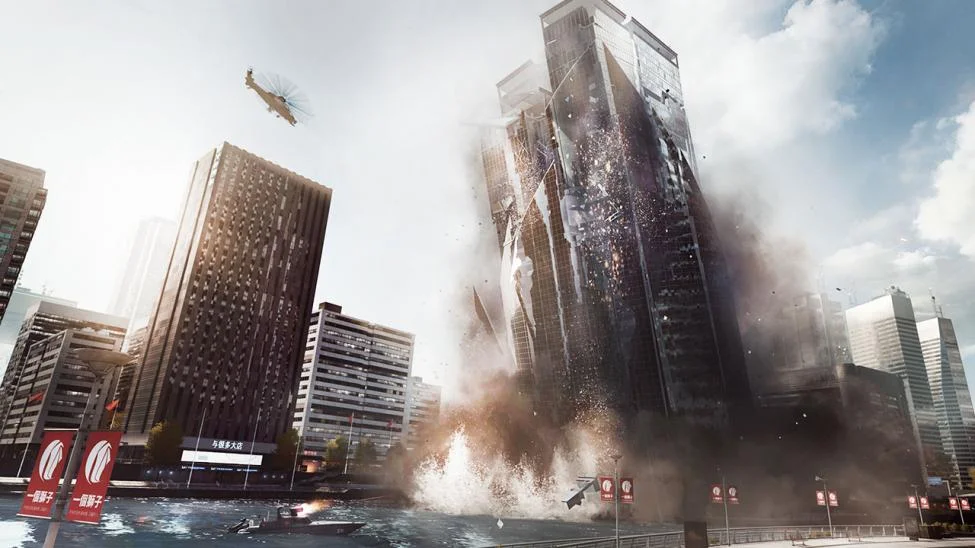
Kampania jest krótsza niż odcisk multiplayer, ale wprowadza obsadę i gadżety, do których drużyny multi wciąż się odwołują. Misje widowiskowe w Szanghaju i na Morzu Południowochińskim pokazują Levolution — zniszczenie otoczenia, które zmienia linie widzenia w trakcie meczu. Ta filozofia przechodzi do multiplayer, gdzie walące się budynki i pękające tamy nie są kosmetyką; przepisują, jak drużyny posuwają się naprzód.
Levolution i pamięć map
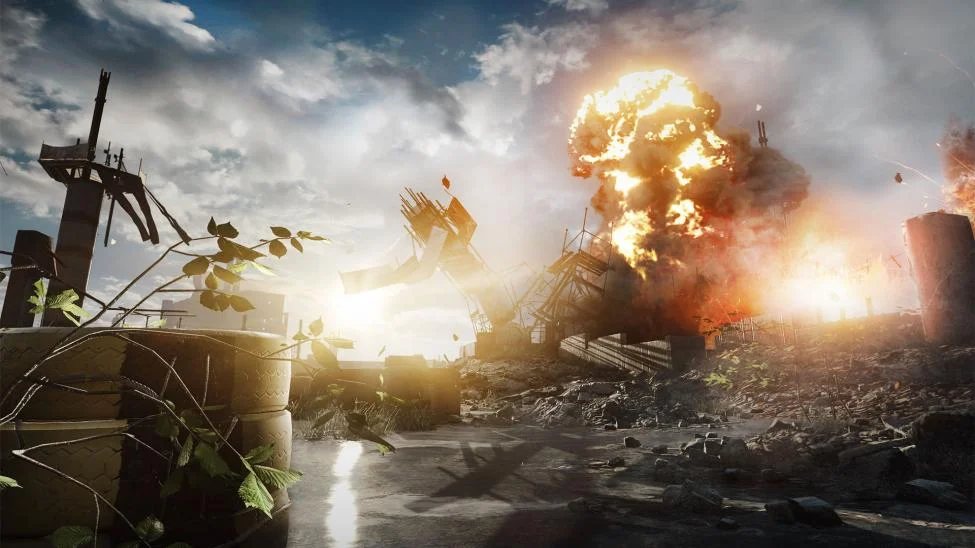
Mapy Battlefield 4 nagradzają graczy, którzy uczą się geometrii, nie tylko tras odrodzenia. Zawalenie wieżowca w Siege of Shanghai zabiera gniazda snajperów i otwiera skrzydła na poziomie ulicy. Przerwany wał w Flood Zone zamienia pancerne pchnięcia w ćwiczenia łodzią. Bliskie chaos Operation Locker karze drużyny bez medyków i granatów dymnych. Premium Edition odblokowuje każdą mapę dodatku — Naval Strike, Dragon's Teeth, Final Stand — więc omijasz polowanie na DLC na raty, wskakując na serwery społeczności.
Gracze goniący franczyzę do przodu często porównują notatki z Battlefield 6 — specjaliści bliskiej przyszłości i większe liczby graczy — trzymając Battlefield 4 zainstalowane dla klasycznego tempa nowoczesnego wojska i ciaśniejszych ról drużyny.
Broń kombinowana zrobiona uczciwie
To, co utrzymuje Battlefield 4 przy życiu, to uczciwość wobec asymetrii ról. Inżynierowie naprawiają pojazdy i wystawiają wyrzutnie przeciwpancerne; zwiad laserowo oznacza cele do ataków lotniczych; klasy wsparcia karmią amunicją, by ogień zaporowy nie wyschł w środku trzymania. Nie wygrasz meczu Conquest, jeśli drużyna traktuje każdą klasę jak generyczny karabin szturmowy. Liderzy drużyn, którzy oznaczają cele i koordynują beaconami odrodzenia, tworzą przepływ; samotne wilki karmią wyciek biletów wroga.
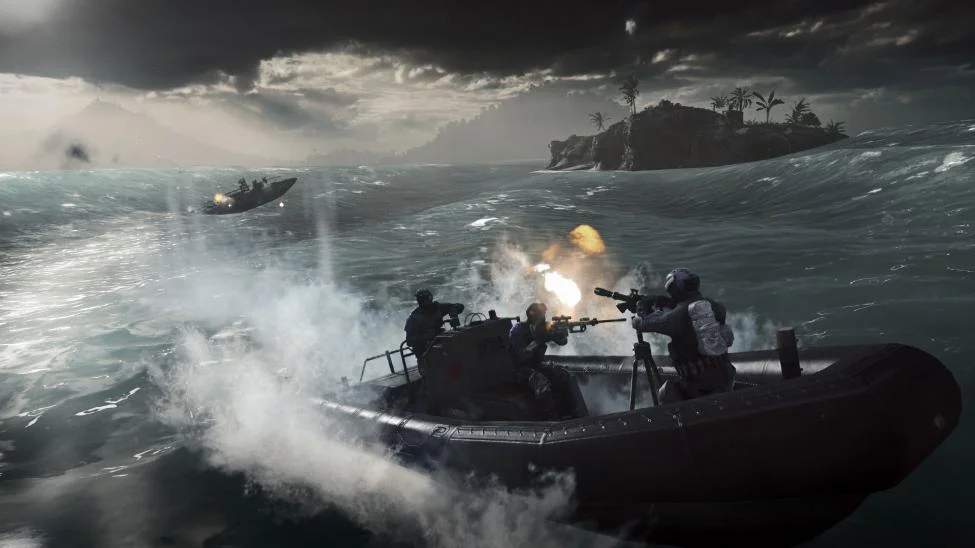
Rozgrywka pojazdów pozostaje osobnym sufitem umiejętności, oddzielonym od strzelania piechoty. Piloci śmigłowców szturmowych koordynują z naziemnymi malarzami laserowymi; kierowcy czołgów uczą się przewagi kąta na hałdach gruzu; łodzie szturmowe nękają nadbrzeżne flagi na mapach Naval Strike. Historia wczesnego dostępu Premium Edition oznacza, że weterani często znają kombinacje gadżetów, których nowicjusze muszą się nauczyć — ale serwery społeczności nadal witają pilotów chętnych do ćwiczeń.
Różnorodność gadżetów utrzymuje piechotę istotną wobec pancerza — inteligentne pociski, łańcuchy C4 i czujniki ruchu zamieniają zestawy inżyniera w specjalistów przeciwpancernych. Gracze wsparcia, którzy opanują uderzenia moździerza i skrzynie amunicji, mogą przechylać bilety Conquest bez wysokich liczników zabić, nagradzając graczy drużynowych, którzy komunikują priorytety odrodzenia.
Premium Edition kontra posiadanie bazy
Kupno Premium Edition dziś scala zawartość, która przy premierze była poszatkowana. Wszystkie playlisty dodatków, dodatkowe zadania i historia kolejki priorytetowej na bok, praktyczna wygrana to natychmiastowy dostęp do pełnej rotacji map, gdy wracasz po latach. Opakowanie tylko po angielsku pasuje graczom PC, którzy chcą jasnego interfejsu bez polowania na regionalne SKU.
Fani taktycznych strzelanek, którzy wolą precyzję czyszczenia pomieszczeń od pancernych bitew w otwartym polu, często rotują do Ready or Not: Deluxe Edition — wolniejsze wyłamywanie, głośniejsze napięcie — trzymając Battlefield 4 na weekendowe maratony Conquest ze znajomymi.
Długowieczność społeczności na PC
Społeczność PC Battlefield 4 trwa dzięki serwerom prowadzonym przez społeczność i wydarzeniom nostalgii. Gra oczekuje komunikacji głosowej, świadomości trybu Commander na wspieranych mapach i cierpliwości wobec dziwactw ery premiery, dawno załatanych. Nowi gracze powinni spędzić godziny na strzelnicy i pustych serwerach, ucząc się odrzutu i fizyki pojazdów, zanim wskoczą do maszynki na sześćdziesięciu czterech graczy.
Progresja odblokowań broni wciąż daje nowicjuszom uporządkowaną ścieżkę — zacznij od domyślnych zestawów, eksperymentuj z dodatkami na strzelnicy, potem wystaw te, które pasują do roli w drużynie. Zadania Premium dają weteranom cele długoterminowe, którzy chcą kosmetycznych nieśmiertelników i gwiazd służby bez gonienia progów battle pass.
Tryby Rush i Obliteration dają szybsze sesje, gdy drużynie brakuje czasu na pełne maratony Conquest — przydatne rozgrzewki w tygodniu przed weekendowymi wydarzeniami. Playlisty Air Superiority izolują walkę odrzutowców dla pilotów, którzy chcą czystego starcia w powietrzu bez rozpraszania wojsk lądowych.
Zasady serwerów różnią się w zależności od społeczności — niektóre zakazują spamu wybuchowego albo ograniczają karabiny snajperskie — więc czytaj opisy przed odrodzeniem. Szacunek w grze drużynowej zasługuje na zaproszenia do prywatnych grup, które koordynują harmonogramy przez strefy czasowe.
Nagrywanie klipów z trybu widza pozostaje hobby społeczności — momenty Levolution i serie odrzutowców wciąż zapełniają kanały montaży lata po premierze, dowód, że fizyka sandboxu bije skryptowane kamery zabić w zapamiętywalnych historiach multiplayer.
Kolekcjonerzy porównujący epoki franczyzy mogą też zajrzeć do Battlefield 6 Phantom Edition po najnowsze meta gadżetów — przydatny kontrast, gdy nowoczesny wojskowy zestaw Battlefield 4 czuje się znajomo, lecz wolniej niż współczesne systemy ruchu.
Kto powinien się ponownie rozstawić w 2026
Battlefield 4 pasuje do graczy, którzy tęsknią za skalą broni kombinowanej bez warstw battle royale i ekstrakcji. Premium Edition to rozsądny zakup, jeśli chcesz każdej mapy i trybu w jednej instalacji — zwłaszcza dla drużyn wracających razem po latach na innych strzelankach. PC pozostaje najlepszą platformą do precyzyjnego sterowania piechotą i aktywnych przeglądarek serwerów, gdy się pojawiają.
Napięcie bliskie horrorowi między sesjami? Dead Space oferuje klaustrofobiczne tempo science fiction — przeciwną skalę przestrzenną — ale dzieli wygodę dostawy EA App na tej samej półce biblioteki.
Jeśli wielkie mapy, zniszczalne areny i wojny biletów na sześćdziesięciu czterech graczy brzmią jak twój piątkowy wieczór, Battlefield 4 Premium Edition na PC pozostaje jednym z najpełniejszych pakietów w katalogu wstecznym serii.